Why Waterproofing Is Essential for Buildings in Dubai
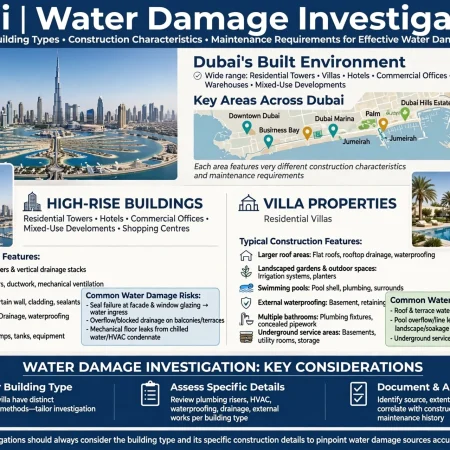
Dubai is known for its modern architecture, luxury residential communities, commercial towers, hotels, and large-scale infrastructure projects. From high-rise buildings in Downtown Dubai and Business Bay to villas in Jumeirah, Dubai Hills Estate, Arabian Ranches, and Palm Jumeirah, every property faces environmental challenges that can affect its long-term durability. One of the most important protection systems required for buildings in this region is professional waterproofing.
Dubai’s hot desert climate creates unique conditions that place continuous pressure on construction materials. Extreme temperatures, intense ultraviolet exposure, humidity from coastal areas, dust, and occasional heavy rainfall can gradually affect roofs, concrete structures, basements, balconies, terraces, and external walls. Without proper waterproofing protection, moisture can enter the building structure, leading to cracks, corrosion, mould growth, damaged interiors, and expensive repair requirements.
Waterproofing is not simply a solution for existing leakage problems. It is a preventive building protection system designed to preserve structural integrity, improve durability, and reduce long-term maintenance costs. A properly designed waterproofing system creates a protective barrier that prevents water penetration while allowing buildings to perform efficiently under Dubai’s demanding weather conditions.
For residential and commercial properties across areas such as Dubai Marina, Jumeirah Lake Towers (JLT), Business Bay, Downtown Dubai, Dubai Silicon Oasis, Dubai Investment Park, and Dubai Hills Estate, selecting the correct waterproofing method is essential for protecting the property investment.
How Dubai’s Climate Creates Waterproofing Challenges
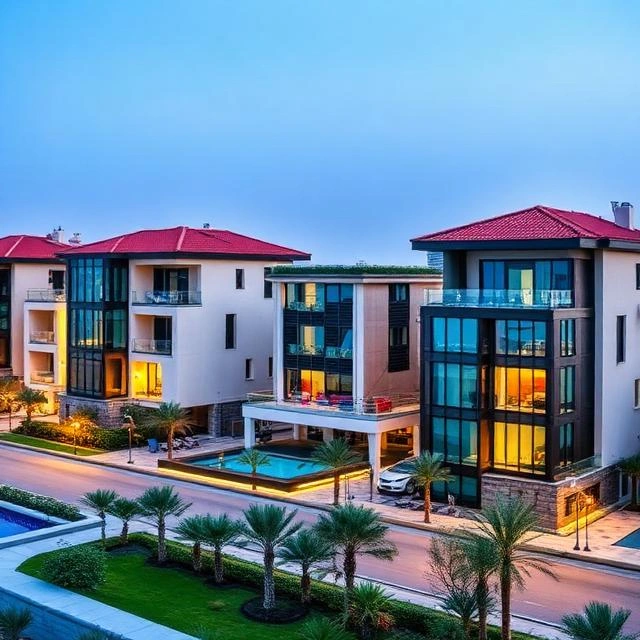
Buildings in Dubai experience environmental conditions that are different from many other regions. The combination of extreme heat, temperature fluctuations, coastal humidity, and sudden rainfall creates continuous stress on construction materials. Over time, these conditions can weaken protective layers and create opportunities for water intrusion.
During the summer months, building surfaces such as roofs, concrete slabs, and external walls absorb significant heat from direct sunlight. Temperatures on exposed surfaces can become much higher than the surrounding air temperature. This heat causes construction materials to expand, while cooler temperatures at night cause them to contract. This repeated movement is known as thermal expansion and contraction.
Thermal movement can gradually create small cracks in concrete surfaces, separation around joints, and stress on waterproofing membranes. Although these cracks may initially appear insignificant, they can become entry points for moisture. Once water reaches internal layers of a building structure, it can cause deterioration that becomes increasingly expensive to repair.
Professional waterproofing systems used in Dubai are designed to handle this movement. Flexible membranes, advanced coatings, and specialised sealants allow structures to expand and contract while maintaining a continuous moisture barrier.
Humidity is another important factor affecting buildings, especially properties located near coastal areas such as Dubai Marina, Palm Jumeirah, JBR, and Jumeirah Beach Road. Although Dubai has a desert environment, humidity levels can rise significantly during certain periods of the year. Moisture exposure can contribute to mould formation, surface damage, corrosion of reinforcement steel, and deterioration of finishing materials.
Heavy rainfall, although less frequent, can also reveal weaknesses in building protection systems. Flat roofs, balconies, terraces, underground parking areas, and basement structures are particularly vulnerable because water can collect on horizontal surfaces. If drainage systems are inadequate or waterproofing layers are damaged, water can penetrate into the building structure.
The Role of Waterproofing in Protecting Modern Buildings
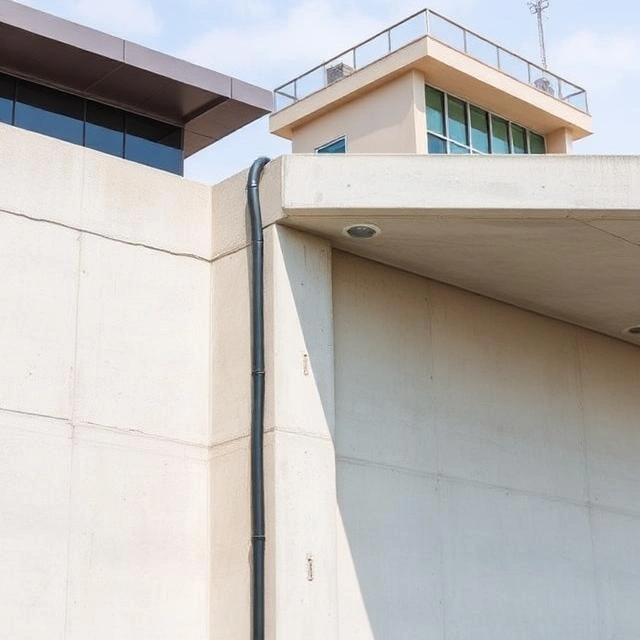
Modern buildings rely on waterproofing systems as a critical part of their construction and maintenance strategy. Whether it is a residential villa, commercial tower, hotel, warehouse, or industrial facility, waterproofing protects the building envelope from external moisture and environmental damage.
The building envelope includes all external elements that separate the indoor environment from outside conditions, including roofs, walls, foundations, windows, balconies, and structural surfaces. A properly protected building envelope helps maintain indoor comfort, prevents water damage, and improves overall building performance.
In Dubai’s construction environment, waterproofing is commonly required for roof slabs, concrete foundations, basement walls, swimming pools, wet areas, parking structures, terraces, balconies, and external façades. Each application requires a specific waterproofing approach based on the structure, exposure level, and expected performance requirements.
Professional waterproofing specialists evaluate factors such as building design, surface condition, drainage systems, material compatibility, and environmental exposure before recommending the most suitable solution. This approach ensures that waterproofing systems provide reliable protection rather than temporary repairs.
Working with an experienced Waterproofing Contractor for Buildings helps property owners and facility managers implement solutions that are suitable for Dubai’s climate and construction requirements.
Roof Waterproofing Solutions for Dubai Buildings
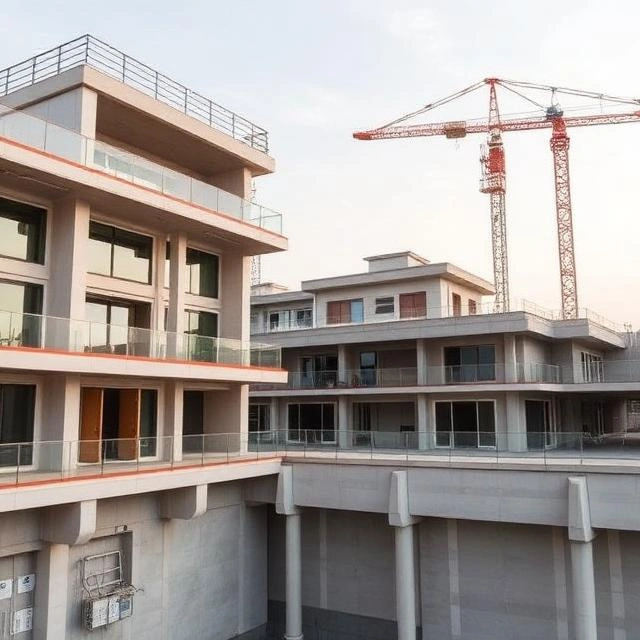
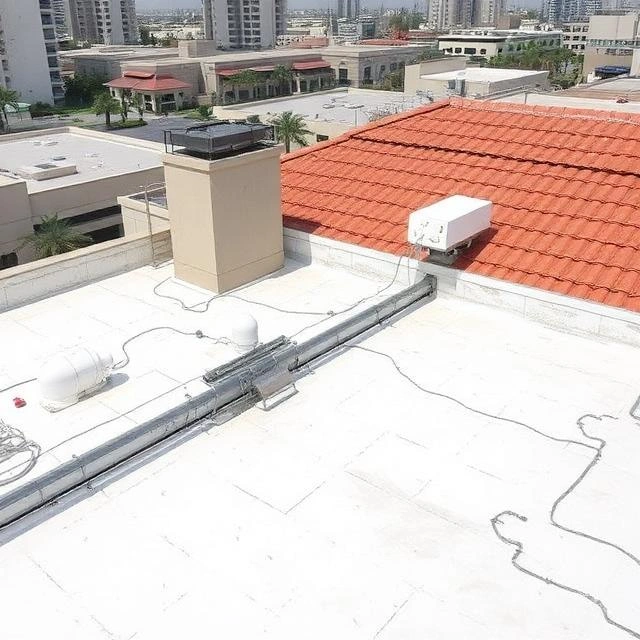
Roof waterproofing is one of the most important applications for properties in Dubai because roofs receive direct exposure to sunlight, heat, dust, and rainfall. A damaged roof waterproofing system can lead to water leakage, ceiling damage, insulation problems, and deterioration of structural components.
Different types of roof waterproofing systems are used depending on the building design and requirements. Liquid waterproofing membranes are widely used because they create a seamless protective layer that covers complex roof surfaces, joints, and penetrations. These systems are especially effective for areas where traditional materials may struggle to provide complete coverage.
Bituminous waterproofing membranes are another commonly used solution for commercial buildings and large-scale projects. These membranes provide strong resistance against water penetration and are suitable for roof slabs, foundations, and underground structures.
Polyurethane waterproofing coatings are also popular because of their flexibility and resistance to temperature changes. They can accommodate minor structural movement while maintaining waterproof protection, making them suitable for Dubai’s hot climate.
A professional roof waterproofing system should always include proper surface preparation, crack treatment, drainage inspection, membrane application, and quality testing. Without correct installation, even high-quality waterproofing materials may fail prematurely.
Concrete Waterproofing Solutions for Dubai Structures
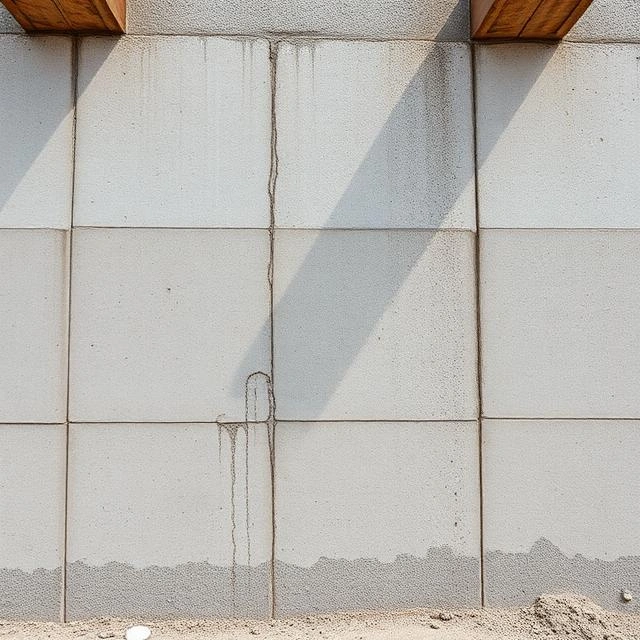
Concrete is one of the most widely used construction materials in Dubai due to its strength, durability, and suitability for large-scale developments. However, concrete is naturally porous and can absorb moisture if it is not properly protected.
Water penetration through concrete can occur through small cracks, pores, construction joints, and weak areas created during the building process. Over time, moisture can reach reinforcement steel inside concrete structures, causing corrosion. This corrosion expands the steel and creates pressure within the concrete, resulting in cracking, surface damage, and reduced structural performance.
Concrete waterproofing improves the resistance of structures against water penetration by creating additional protection around vulnerable surfaces. Different technologies are available depending on the application.
Cementitious waterproofing is commonly used for concrete walls, foundations, water tanks, and wet areas because it bonds well with concrete surfaces and provides durable protection. Crystalline waterproofing technology works by creating a chemical reaction inside concrete that reduces water movement through capillary channels.
Liquid-applied waterproofing systems provide flexible protection for surfaces that experience movement or temperature changes. These coatings are widely used for terraces, balconies, roofs, and exposed concrete structures.
For high-rise buildings, commercial facilities, and infrastructure projects across Dubai, concrete waterproofing is an essential part of maintaining structural durability and preventing moisture-related deterioration.
Waterproofing Solutions for Balconies, Terraces, and Wet Areas
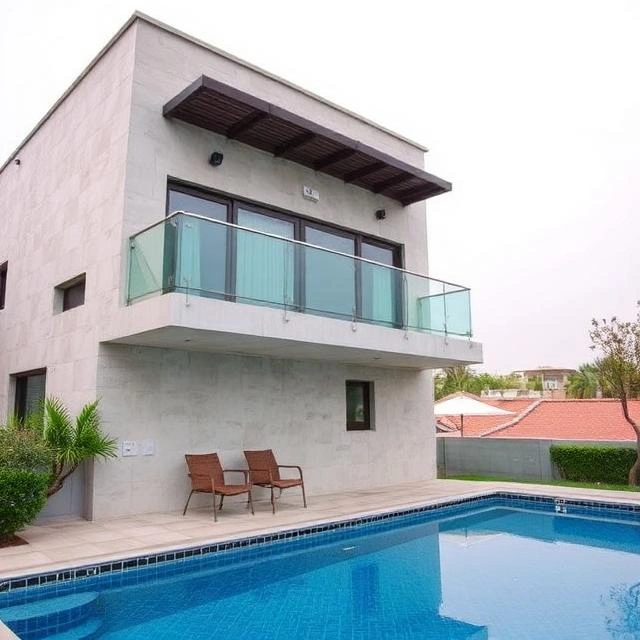
Balconies, terraces, bathrooms, kitchens, swimming pools, and other wet areas require specialised waterproofing because they are regularly exposed to water.
In residential communities such as Jumeirah, Arabian Ranches, Dubai Hills Estate, Emirates Hills, and Palm Jumeirah, balconies and outdoor terraces are important architectural features. However, these areas can become common sources of leakage if waterproofing systems fail.
Water leakage from balconies and terraces can travel through concrete slabs and appear inside ceilings, walls, or adjacent rooms. These problems are often difficult to identify because the visible damage may appear far away from the original leakage point.
Professional waterproofing for wet areas involves careful preparation of the surface, sealing of joints and corners, treatment of pipe penetrations, application of waterproof membranes, and proper testing before finishing materials are installed.
Swimming pools require even more specialised waterproofing because they are continuously exposed to water pressure. Pool waterproofing systems must resist constant moisture exposure while maintaining flexibility and durability.
Choosing the Right Waterproofing Material for Dubai’s Environment
Selecting the correct waterproofing material is one of the most important factors in achieving long-term performance. Dubai’s climate requires materials that can withstand high temperatures, UV exposure, humidity, and structural movement.
Polyurethane waterproofing coatings are widely used because they offer excellent flexibility and can handle thermal expansion. They are suitable for roofs, terraces, balconies, and exposed surfaces where movement is expected.
Bituminous membranes are commonly used in commercial and industrial projects because of their strong waterproof properties and durability. They are often applied on foundations, underground structures, and large roof areas.
Cementitious waterproofing systems provide strong adhesion to concrete surfaces and are commonly used in basements, water tanks, bathrooms, and wet areas.
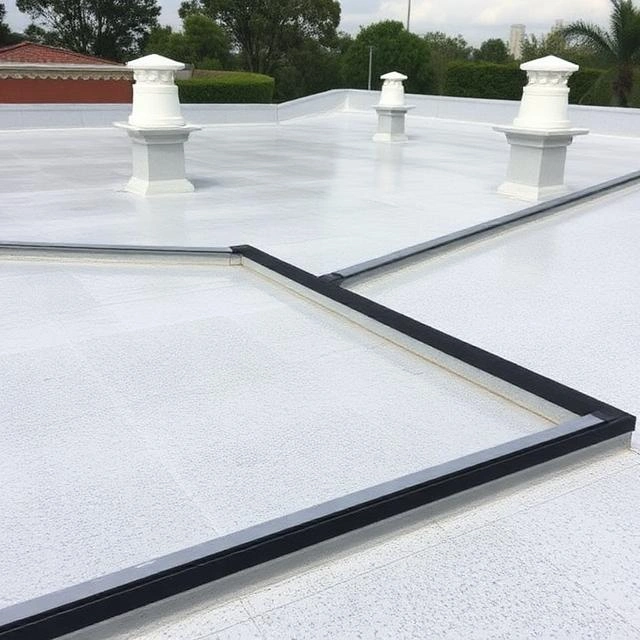
Liquid waterproofing membranes are becoming increasingly popular because they create seamless protection without joints or gaps. They are suitable for complex surfaces where traditional waterproofing materials may be difficult to install.
The correct choice depends on several factors, including the building location, surface condition, exposure level, expected lifespan, and maintenance requirements. Professional waterproofing specialists assess these conditions before recommending the most suitable system.
Importance of Waterproofing Inspection and Maintenance
Many waterproofing problems occur because buildings do not receive regular inspection and maintenance. Even a professionally installed waterproofing system can experience wear over time due to environmental exposure, structural movement, and ageing materials.
Regular waterproofing inspections help identify early warning signs before they become major problems. Common indicators of waterproofing failure include:
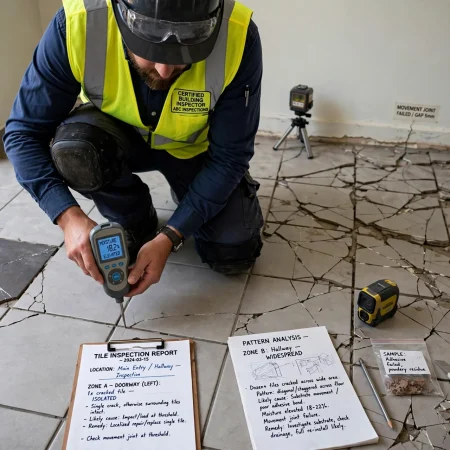
Water stains on ceilings or walls, peeling paint, damp smells, mould growth, visible cracks, damaged sealants, and moisture marks around windows or balconies.
Professional inspection involves checking waterproofing membranes, drainage systems, expansion joints, roof surfaces, concrete conditions, and vulnerable connection points.
For commercial buildings, annual waterproofing inspections should be included within the overall building maintenance plan. Facility managers responsible for properties in Dubai International Financial Centre, Dubai Healthcare City, Dubai Silicon Oasis, Dubai South, and Jebel Ali can significantly reduce repair costs by identifying problems early.
Preventive maintenance is always more economical than emergency waterproofing repairs after structural damage has already occurred.
Common Waterproofing Mistakes Property Owners Should Avoid
Many waterproofing failures occur because of incorrect material selection, poor installation, or delayed maintenance. Property owners often try to solve leakage issues with temporary repairs, but these solutions usually address only visible symptoms rather than the actual cause.
One common mistake is applying waterproof coatings without properly preparing the surface. Dust, cracks, moisture, or damaged concrete can prevent materials from bonding correctly.
Another issue is choosing waterproofing materials based only on price rather than suitability. Different areas of a building require different systems. A roof exposed to direct sunlight requires a different solution compared to an underground basement or bathroom area.
Ignoring small signs of leakage is another major problem. Minor water stains, damp patches, or cracks may indicate deeper structural issues. Early inspection can prevent extensive damage and reduce repair costs.
Regular maintenance, professional inspections, and using appropriate waterproofing systems are essential for achieving long-term protection.
Waterproofing Solutions for Dubai’s Future Buildings
As Dubai continues expanding with new residential communities, commercial developments, and infrastructure projects, the demand for advanced waterproofing solutions will continue to grow.
Modern construction increasingly focuses on durability, sustainability, and long-term building performance. Waterproofing technologies are also evolving with improved materials that provide better flexibility, stronger adhesion, higher resistance to temperature changes, and longer service life.
Future waterproofing systems will increasingly include smart monitoring technologies that help detect moisture problems before visible damage occurs. Sensors, digital building management systems, and predictive maintenance strategies can help property owners manage building conditions more effectively.
Developments in areas such as Dubai Creek Harbour, Dubai Hills Estate, Expo City Dubai, Mohammed Bin Rashid City, and Dubai South require advanced construction solutions that can withstand changing environmental conditions while maintaining high standards of quality.
Waterproofing will continue to play an important role in protecting Dubai’s buildings and ensuring they remain safe, durable, and efficient for decades.