Waterproofing for Luxury Villas in Dubai Hills Estate
Dubai Hills Estate has become one of Dubai’s most prestigious residential communities, offering luxury villas surrounded by landscaped parks, golf courses, premium schools, and world-class amenities developed by Emaar Properties. While these modern homes are designed to high construction standards, they remain exposed to environmental conditions that can gradually affect structural integrity if preventive maintenance is ignored. High temperatures, sudden rainfall, humidity, irrigation systems, and daily thermal expansion place continuous stress on roofs, balconies, terraces, foundations, and external walls. Without professional waterproofing, these conditions can allow moisture to penetrate concrete surfaces, eventually causing cracks, water ingress, mould growth, and expensive structural repairs. Investing in professional waterproofing is not simply about preventing leaks; it is about protecting one of your most valuable assets while maintaining property value and ensuring long-term durability throughout Dubai Hills Estate.
Understanding Why Waterproofing Is More Important in Dubai Hills Estate Than Many Homeowners Realize
Many villa owners assume waterproofing is only necessary after visible water leakage appears, but this is one of the most common misconceptions in property maintenance. Waterproofing is designed to prevent damage before it begins, creating a protective barrier that stops moisture from entering structural elements such as reinforced concrete slabs, retaining walls, roofs, balconies, and foundations. Villas in Dubai Hills Estate experience intense sunlight throughout most of the year, followed by seasonal rainstorms that expose building envelopes to repeated heating and cooling cycles. These constant temperature changes cause expansion and contraction of construction materials, gradually creating microscopic cracks where water can enter. Once moisture reaches reinforced steel within the concrete, corrosion begins, weakening structural stability and increasing repair costs. Professional waterproofing systems help eliminate these risks by sealing vulnerable areas before water penetration becomes a costly problem.
The Climate of Dubai Creates Unique Waterproofing Challenges for Residential Properties
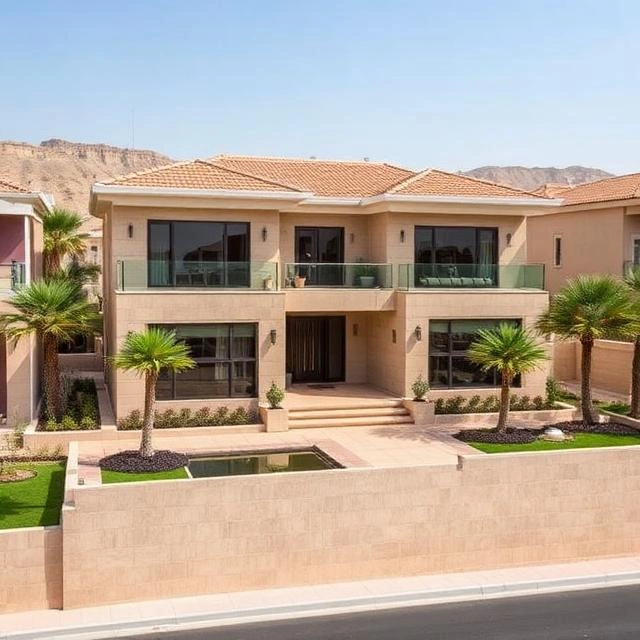
Dubai’s climate is unlike many other cities around the world because buildings are exposed to prolonged ultraviolet radiation, extreme summer temperatures exceeding 45 degrees Celsius, occasional heavy rainfall, airborne dust, and coastal humidity. These environmental conditions accelerate the ageing of roofing materials, waterproof membranes, sealants, and protective coatings. Villas located around Dubai Hills Golf Club and communities near Al Khail Road experience continuous exposure to heat that causes roofing materials and expansion joints to move throughout the day. This thermal movement gradually weakens joints and protective barriers, allowing water to enter hidden structural spaces. During unexpected rainstorms, water can quickly collect on flat roofs, balconies, terraces, and podium decks if drainage systems are not functioning correctly. Professional waterproofing solutions are specifically designed to withstand Dubai’s demanding climate by using UV-resistant membranes, flexible polyurethane coatings, cementitious waterproofing systems, and high-performance sealants that remain effective despite continuous environmental stress.
Roof Waterproofing Protects the Structural Integrity of Luxury Villas
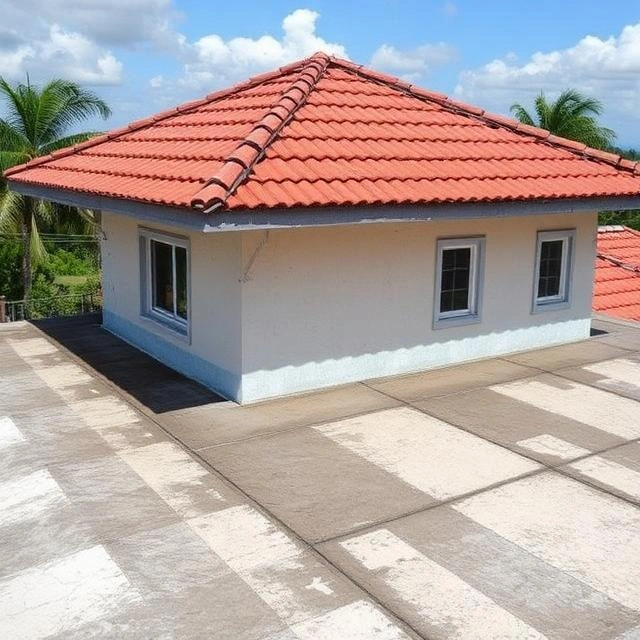
The roof is one of the most vulnerable areas of any villa because it receives direct exposure to sunlight, rainfall, wind, and airborne contaminants every day. Even small imperfections within roof surfaces can allow water to penetrate the concrete slab, damaging insulation, ceilings, electrical installations, and interior finishes below. Once moisture enters the roofing system, it often remains hidden until stains, mould, peeling paint, or ceiling cracks become visible inside the property. Professional roof waterproofing creates a continuous moisture barrier that protects the structural concrete from long-term deterioration while improving overall building durability. Depending on the roof design, specialists may use liquid waterproofing membranes, bituminous membranes, polyurethane waterproof coatings, or cement-based waterproofing systems to create complete protection against water ingress. Routine inspections also help identify early signs of deterioration before repairs become significantly more expensive.
Water Ingress Can Cause Hidden Structural Damage Long Before Leaks Become Visible
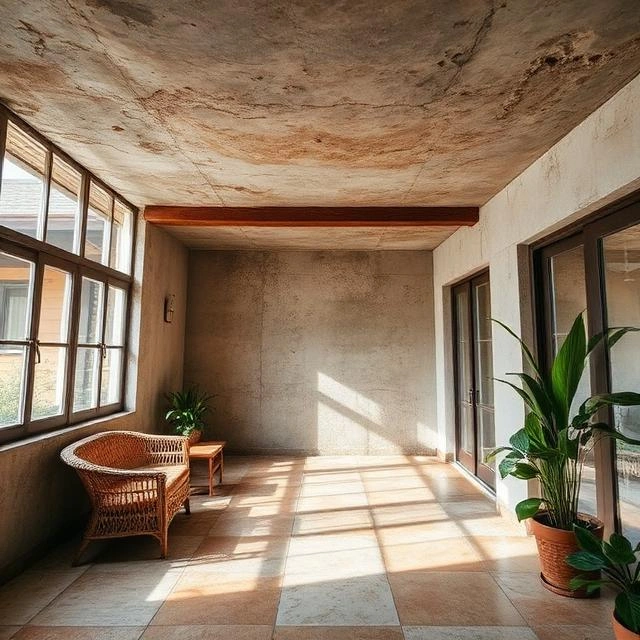
One of the biggest challenges associated with water damage is that visible leakage usually appears only after significant internal deterioration has already occurred. Moisture often travels through concrete, wall cavities, expansion joints, and structural connections before reaching ceilings or internal finishes. During this hidden process, reinforced steel bars may begin corroding while concrete slowly loses strength through repeated moisture exposure. Efflorescence, surface staining, blistering paint, damp walls, and mould growth are often among the first visible warning signs that water has been penetrating the structure for months. Professional waterproofing inspections use moisture detection methods to identify hidden water intrusion before major structural damage develops. Early intervention protects the building envelope, preserves expensive finishes, and significantly reduces future repair costs for villa owners throughout Dubai Hills Estate.
Balconies and Terraces Require Dedicated Waterproofing Solutions
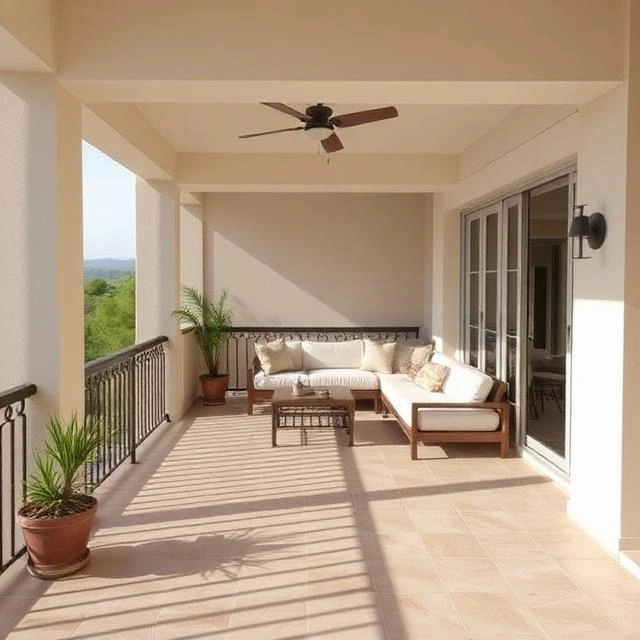
Balconies and outdoor terraces add significant value to luxury villas by creating comfortable outdoor living spaces, but they are also among the most exposed areas of any property. Daily sunlight, occasional rainfall, irrigation water, and temperature fluctuations continuously affect tiled surfaces and waterproof membranes beneath them. Over time, cracked grout lines, damaged sealants, poor drainage, or deteriorating waterproof layers can allow moisture to reach the concrete slab underneath. This hidden moisture may eventually cause tile lifting, surface cracks, water stains, and internal ceiling leaks in rooms below the balcony. Investing in a professional Balcony Waterproofing Service helps prevent these issues by installing durable waterproof membranes designed to withstand continuous exposure to weather, movement, and moisture while maintaining the appearance and structural integrity of outdoor living spaces.
Basement Waterproofing Protects Villa Foundations from Long-Term Moisture Damage
Although many homeowners associate waterproofing with roofs, basement and foundation waterproofing is equally important for protecting the structural stability of luxury villas. Some properties in Dubai Hills Estate include basements used as parking areas, storage rooms, home gyms, cinemas, or service spaces. These lower levels are constantly exposed to moisture from surrounding soil, irrigation systems, underground utilities, and groundwater pressure. Even a small amount of water penetration can gradually weaken concrete walls, damage floor finishes, encourage mould growth, and create unpleasant indoor conditions. Professional basement waterproofing systems use cementitious coatings, waterproof membranes, drainage boards, injection grouts, and moisture barriers to prevent water ingress before it affects the building structure. Protecting foundations at an early stage helps preserve the strength of reinforced concrete while reducing the likelihood of expensive structural repairs in the future.
Waterproofing Extends the Lifespan of Concrete Structures and Building Materials
Concrete is known for its strength and durability, but it is not completely waterproof. Tiny pores naturally exist within concrete surfaces, allowing moisture to penetrate if no protective system is installed. Once water enters these pores, it can reach reinforcing steel bars and initiate corrosion, causing expansion inside the concrete. Over time, this leads to cracking, concrete spalling, and structural deterioration that may compromise the safety and value of the property. Professional waterproofing acts as a protective shield that blocks moisture while allowing the structure to withstand Dubai’s challenging climate. High-performance waterproof membranes, polyurethane coatings, bituminous systems, and elastomeric sealants work together to preserve concrete slabs, retaining walls, roof decks, and structural columns for many years.
Modern Waterproofing Systems Improve Energy Efficiency and Indoor Comfort
Many villa owners focus on waterproofing solely as protection against leaks, but a professionally installed waterproofing system also contributes to improved energy efficiency. Moisture trapped within walls, ceilings, and insulation reduces the thermal performance of building materials, making air conditioning systems work harder to maintain comfortable indoor temperatures. In Dubai, where cooling systems operate for much of the year, this additional workload increases electricity consumption and operating costs. Waterproof roofing systems combined with reflective coatings and insulated membranes help maintain stable indoor temperatures by reducing heat transfer while preventing moisture accumulation. As a result, homeowners enjoy greater comfort, improved indoor air quality, and lower energy bills throughout the year.
Waterproofing Helps Prevent Mould, Mildew, and Indoor Air Quality Problems
Excess moisture inside a building creates ideal conditions for mould and mildew to develop behind walls, beneath flooring, inside ceilings, and around damp areas. These problems often remain hidden until unpleasant odours, wall discoloration, or visible fungal growth appear. Besides affecting the appearance of a luxury villa, mould can reduce indoor air quality and damage expensive furniture, wooden finishes, carpets, and decorative materials. Professional waterproofing minimizes these risks by eliminating the source of unwanted moisture before mould colonies can develop. Proper waterproofing combined with efficient drainage systems, ventilation, and routine inspections creates a healthier indoor environment for families living in Dubai Hills Estate while protecting valuable interior finishes from moisture-related deterioration.
Swimming Pools, Water Features, and Landscaped Areas Increase the Need for Waterproofing
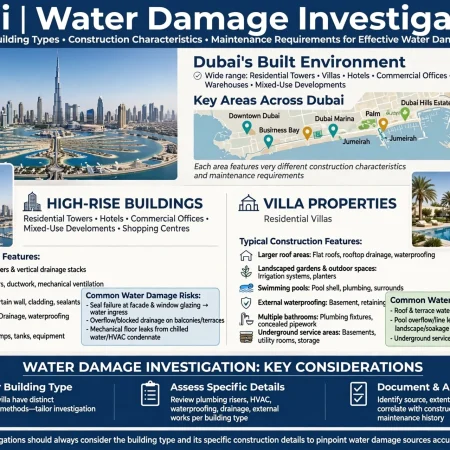
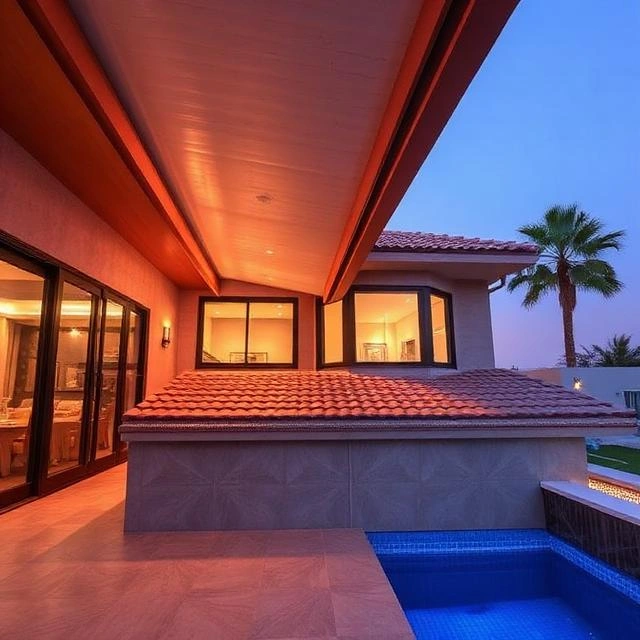
One of the defining characteristics of villas in Dubai Hills Estate is their beautifully designed outdoor spaces, including private swimming pools, decorative water features, landscaped gardens, and automatic irrigation systems. While these amenities enhance the lifestyle and value of the property, they also increase continuous exposure to water around the building. Poor waterproofing near pools, retaining walls, planter boxes, and landscape structures can allow moisture to migrate toward foundations or underground structural elements. Professional waterproofing ensures that these outdoor features remain isolated from the main building structure through specialized membranes, protective coatings, and properly designed drainage systems. This integrated approach helps maintain both structural safety and landscape performance over the long term.
Early Waterproofing Is More Cost-Effective Than Major Structural Repairs
Many homeowners postpone waterproofing because no visible leaks are present, believing maintenance can wait until problems appear. Unfortunately, by the time water stains become visible inside a villa, significant hidden damage has often already occurred within the structure. Repairing damaged concrete, replacing ceilings, repainting interiors, removing mould, and restoring flooring usually costs far more than installing preventive waterproofing systems. Professional waterproofing should therefore be viewed as an investment rather than an expense. Scheduled inspections and preventive maintenance identify vulnerable areas before deterioration begins, allowing homeowners to avoid emergency repairs and preserve the long-term value of their property. Preventive waterproofing is especially valuable in premium communities where maintaining excellent property condition directly supports resale value and market appeal.
High-Quality Waterproofing Materials Deliver Long-Term Protection
The effectiveness of any waterproofing project depends largely on the quality of materials used and the expertise of the installation team. Modern waterproofing technology has evolved significantly, providing solutions that are more durable, flexible, and resistant to environmental stress than traditional methods. Professional contractors select waterproofing systems according to the building structure, exposure conditions, and the intended application area. Polyurethane liquid membranes, cementitious waterproof coatings, bituminous sheet membranes, acrylic protective coatings, epoxy sealants, crystalline waterproofing compounds, and elastomeric membranes each provide unique advantages for different structural elements. Choosing the correct material ensures the waterproof barrier remains intact despite continuous UV exposure, heavy rainfall, thermal expansion, and everyday structural movement common in Dubai’s climate.
Expansion Joints and Structural Cracks Require Professional Waterproofing Attention
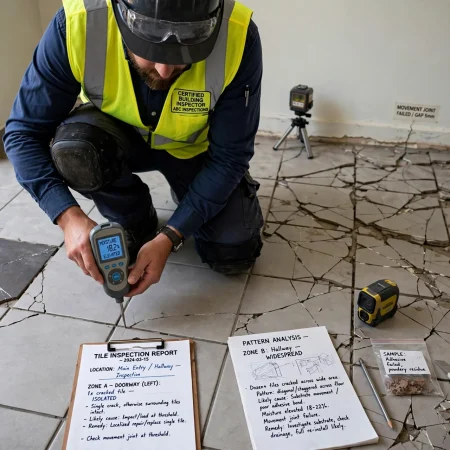
Every building naturally expands and contracts due to changing temperatures throughout the day. This movement is particularly noticeable in Dubai, where temperatures can fluctuate significantly between day and night. Expansion joints are specifically designed to accommodate this movement, but if these joints are not properly sealed or maintained, they become one of the most common entry points for water. Small structural cracks may also develop over time due to settlement, concrete shrinkage, or normal building movement. Although these cracks often appear minor, they can allow moisture to penetrate deep into reinforced concrete. Professional waterproofing specialists inspect these vulnerable areas carefully and apply flexible sealants, crack injection systems, and waterproof membranes that continue performing even as the structure experiences normal movement.
Proper Drainage Systems Work Together with Waterproofing to Protect Villas
Waterproofing alone cannot fully protect a villa if rainwater and surface water are not directed away from the building efficiently. A properly designed drainage system is an essential part of any waterproofing strategy because standing water places continuous pressure on waterproof membranes and increases the likelihood of water penetration. Roof drains, balcony outlets, terrace slopes, foundation drainage, landscape grading, and surface channels all contribute to effective water management. During seasonal rainfall in Dubai, blocked drainage outlets can quickly cause water accumulation on flat roofs and terraces, increasing the risk of leakage. Regular inspection and maintenance of drainage systems help ensure water flows safely away from the property while reducing unnecessary stress on waterproofing materials.
Waterproofing Protects the Value of Luxury Properties in Dubai Hills Estate
Dubai Hills Estate is one of the most desirable residential communities developed by Emaar Properties, attracting homeowners and investors looking for premium villas with long-term value. Maintaining these high-end properties requires consistent attention to structural condition, appearance, and preventive maintenance. Water damage can significantly reduce the market value of a luxury villa because visible stains, mould, cracked ceilings, deteriorating paint, and structural concerns immediately affect buyer confidence. A professionally waterproofed property demonstrates that the home has been maintained responsibly and protected against environmental damage. Buyers, property valuers, and building inspectors often view preventive maintenance as a positive indicator of overall property condition, making waterproofing an important investment that helps preserve both resale value and long-term market competitiveness.
Professional Waterproofing Inspections Help Detect Hidden Problems Before They Escalate
Routine inspections are one of the most effective ways to maintain waterproofing performance throughout the life of a building. Many waterproofing failures begin beneath tiles, inside roof assemblies, behind wall finishes, or within expansion joints where they cannot be seen during everyday use. Professional inspectors evaluate roofing systems, balconies, terraces, external walls, parapets, drainage outlets, flashing details, sealants, and waterproof membranes to identify early signs of deterioration. Moisture testing equipment, thermal imaging technology, and visual assessments allow specialists to locate hidden water intrusion before it develops into expensive structural damage. Early detection enables minor repairs to be completed quickly, avoiding larger restoration projects that could disrupt daily life and require significant financial investment.
Waterproofing Supports Sustainable Building Maintenance in Modern Communities
Sustainability has become an important consideration for homeowners throughout Dubai, particularly in master-planned communities such as Dubai Hills Estate, where environmental responsibility and long-term property performance are valued. Waterproofing contributes to sustainable building management by reducing unnecessary repairs, extending the lifespan of construction materials, minimizing waste, and improving energy efficiency. Buildings that remain dry experience fewer structural failures, require less replacement of damaged materials, and maintain better insulation performance over time. By preventing moisture-related deterioration, waterproofing reduces the environmental impact associated with repeated renovation work while supporting responsible property ownership. Investing in preventive waterproofing is therefore not only beneficial for protecting individual villas but also contributes to the long-term sustainability and quality of the surrounding community.