Waterproofing is one of the most important yet overlooked aspects of property maintenance in Dubai. Many property owners invest heavily in construction, renovation, and interior upgrades but neglect proper waterproofing until visible damage appears. By the time water stains, leaks, mold, peeling paint, or structural deterioration become noticeable, the repair costs can be significant.
Dubai’s climate presents unique challenges for residential, commercial, and industrial buildings. Extreme temperatures, occasional heavy rainfall, humidity fluctuations, and constant exposure to sunlight can gradually weaken roofs, terraces, balconies, basements, bathrooms, and exterior walls. Without proper waterproofing systems, moisture infiltration can cause extensive damage to a building’s structure and finishes.
Understanding the most common waterproofing mistakes can help property owners protect their investments, extend building lifespan, and avoid expensive repairs. This guide explores the top waterproofing mistakes Dubai property owners make and how to avoid them.
Ignoring Early Signs of Water Damage
One of the biggest mistakes property owners make is waiting until a leak becomes severe before taking action. Small signs of moisture problems often appear long before major water damage occurs.
Common warning signs include damp patches on walls, peeling paint, bubbling plaster, mold growth, musty odors, water stains on ceilings, and cracks around wet areas. Many people assume these issues are cosmetic and postpone repairs.
In reality, these early indicators often suggest waterproofing failure beneath the surface. Addressing problems during the initial stages is significantly less expensive than repairing structural damage later. Regular inspections can help identify moisture issues before they escalate.
Choosing Cheap Waterproofing Materials
Many property owners focus primarily on reducing upfront costs when selecting waterproofing materials. While budget considerations are important, choosing low-quality products often results in premature failure and higher long-term expenses.
Dubai’s harsh climate requires waterproofing systems capable of withstanding extreme heat, UV exposure, and temperature fluctuations. Inferior products may crack, shrink, deteriorate, or lose adhesion much faster than premium-grade waterproofing solutions.
Investing in high-quality waterproofing membranes, coatings, sealants, and protective systems ensures better durability, longer service life, and improved protection against water infiltration.
Hiring Unqualified Waterproofing Contractors
Waterproofing is a specialized service that requires technical expertise, proper surface preparation, and correct application methods. Unfortunately, many property owners hire contractors based solely on the lowest quotation.
Poor workmanship is one of the leading causes of waterproofing failure in Dubai. Inexperienced contractors may overlook critical details, use incorrect materials, or apply systems improperly.
Before hiring any contractor, property owners should verify experience, review previous projects, check customer feedback, and ensure the company specializes in waterproofing services. Working with a reputable contractor can significantly improve project success and long-term performance.
Neglecting Roof Waterproofing
The roof is one of the most exposed parts of any building. Continuous exposure to sunlight, heat, dust, and occasional rain can gradually weaken roofing systems.
Many property owners assume that because Dubai receives limited annual rainfall, roof waterproofing is unnecessary. This misconception often leads to serious problems during unexpected storms or prolonged moisture exposure.
Roof waterproofing helps prevent water penetration, protects structural components, improves energy efficiency, and extends roof lifespan. Regular inspections and maintenance are essential for maintaining roof integrity.
Overlooking Terrace and Balcony Waterproofing
Terraces and balconies are particularly vulnerable to water damage because they are directly exposed to outdoor conditions. Cracks in tiles, damaged grout lines, and deteriorating waterproof membranes can allow water to penetrate underlying concrete structures.
Without proper protection, moisture can migrate into walls, ceilings, and supporting structural elements. Over time, this may lead to corrosion of reinforcement steel and concrete deterioration.
Property owners should ensure terraces and balconies receive professional waterproofing treatment and periodic inspections to maintain their effectiveness.
Poor Surface Preparation
Even the best waterproofing products can fail if applied to improperly prepared surfaces. Surface preparation is one of the most critical steps in any waterproofing project.
Common mistakes include applying waterproof coatings over dirty surfaces, loose materials, dust, oil contamination, cracks, or existing damage. These conditions prevent proper adhesion and reduce system effectiveness.
Professional contractors typically clean surfaces thoroughly, repair defects, remove contaminants, and ensure substrates are suitable before applying waterproofing materials.
Ignoring Expansion Joints and Cracks
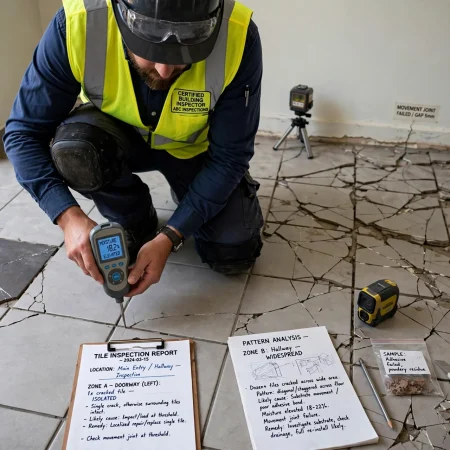
Buildings naturally expand and contract due to temperature changes. Expansion joints and structural movement areas require special attention during waterproofing applications.
Many waterproofing failures occur because joints and cracks are not treated correctly. Water can easily enter through these vulnerable points and spread throughout the structure.
Proper sealing, flexible waterproof membranes, and movement-resistant materials are essential for protecting these critical areas.
Failing to Waterproof Wet Areas
Bathrooms, kitchens, laundry rooms, and utility areas are constantly exposed to water. Yet many property owners underestimate the importance of internal waterproofing.
Water leakage from bathrooms is one of the most common causes of property damage in residential and commercial buildings. Moisture can seep beneath tiles and gradually affect neighboring rooms, ceilings, and walls.
Professional waterproofing systems should always be installed beneath floor and wall finishes in wet areas to provide long-term protection.
Delaying Maintenance and Inspections
Waterproofing systems require periodic inspections and maintenance to ensure continued performance. Many property owners mistakenly believe waterproofing is a one-time installation that never requires attention.
Environmental exposure, building movement, and aging materials can gradually affect waterproofing performance. Regular inspections allow minor issues to be corrected before major failures occur.
Preventive maintenance programs help maximize system lifespan and reduce repair costs.
Using the Wrong Waterproofing Solution
Different building areas require different waterproofing methods. A solution that works effectively for a roof may not be suitable for a basement, bathroom, swimming pool, or retaining wall.
Applying the wrong waterproofing system can result in poor performance and premature failure. Property owners should seek professional assessments to determine the most appropriate waterproofing solution for each application.
Customized waterproofing strategies provide better protection and long-term value.
Ignoring Drainage Issues
Many water-related problems are not caused by waterproofing failure alone. Poor drainage can place excessive stress on waterproofing systems and increase the risk of water penetration.
Blocked drains, improper slopes, standing water, and inadequate drainage design can contribute to moisture accumulation. Over time, ponding water may weaken waterproof membranes and increase leakage risks.
Ensuring proper drainage design and routine maintenance is a critical component of any waterproofing strategy.
Lack of Professional Waterproofing Assessment
Many property owners attempt to diagnose waterproofing problems without expert assistance. Unfortunately, visible symptoms often do not reveal the true source of moisture intrusion.
A professional waterproofing assessment can identify hidden defects, determine root causes, and recommend appropriate corrective measures. This helps prevent unnecessary repairs and ensures resources are invested in effective solutions.
The Importance of Preventive Waterproofing
Preventive waterproofing is far more cost-effective than emergency repairs. Installing waterproofing systems during construction or renovation provides long-term protection and reduces future maintenance expenses.
Preventive measures help preserve structural integrity, improve property value, enhance indoor comfort, and minimize disruption caused by water damage.
Property owners who adopt a proactive approach often experience fewer maintenance issues and greater peace of mind.
Why Professional Waterproofing Matters in Dubai
Dubai’s environmental conditions require specialized waterproofing expertise. High temperatures, UV radiation, humidity variations, and occasional heavy rainfall create unique challenges for building protection.
Professional waterproofing contractors understand local conditions, building regulations, and suitable waterproofing technologies. Their experience helps ensure durable, reliable, and long-lasting results.
Property owners seeking comprehensive protection should work with a Top waterproofing service Company in Dubai that can assess building requirements and implement appropriate waterproofing solutions.
Final Thoughts
Waterproofing is not simply a maintenance task—it is a critical investment in the longevity and value of any property. The most common waterproofing mistakes often stem from delayed action, poor material selection, inadequate workmanship, and lack of ongoing maintenance.
By recognizing early warning signs, investing in quality materials, hiring experienced professionals, conducting regular inspections, and implementing preventive waterproofing measures, Dubai property owners can significantly reduce the risk of water damage.
Protecting a property from moisture intrusion helps preserve structural integrity, improve indoor environments, reduce repair costs, and enhance long-term asset value. A well-planned waterproofing strategy remains one of the smartest investments any property owner can make in Dubai.