Why Early HVAC Repairs Matter for Commercial Buildings
A commercial HVAC system is one of the most valuable assets in any building. Whether it serves a corporate office, shopping mall, hotel, hospital, warehouse, educational institution, restaurant, manufacturing facility, or retail store, the HVAC system directly affects occupant comfort, employee productivity, indoor air quality, and operational efficiency. In Dubai and across the UAE, where summer temperatures frequently exceed 45°C and cooling systems operate for most of the year, even a minor fault can quickly develop into a major equipment failure if ignored.
Unlike residential air conditioning units, commercial HVAC systems operate under much heavier loads and consist of interconnected components such as chillers, Air Handling Units (AHUs), Fan Coil Units (FCUs), Fresh Air Handling Units (FAHUs), Variable Refrigerant Flow (VRF) systems, rooftop packaged units (RTUs), cooling towers, pumps, ductwork, Building Management Systems (BMS), thermostats, VFDs, compressors, condensers, evaporators, expansion valves, and sophisticated electrical control panels. Because these systems are interconnected, a failure in one component often affects the performance of the entire HVAC network.
Commercial properties throughout Business Bay, Downtown Dubai, Dubai Marina, DIFC, Jumeirah Lake Towers (JLT), Palm Jumeirah, Dubai Hills Estate, Dubai South, Al Quoz, Abu Dhabi, and Sharjah depend on reliable HVAC systems to maintain comfortable indoor environments throughout the year. Facility managers understand that identifying warning signs early helps reduce repair costs, improve equipment lifespan, minimise downtime, and prevent unexpected business interruptions.
Understanding the early symptoms of HVAC problems allows building owners and maintenance teams to schedule repairs before expensive breakdowns occur. Below are some of the most important indicators that your commercial HVAC system requires immediate professional attention.
Inconsistent Indoor Temperatures Throughout the Building
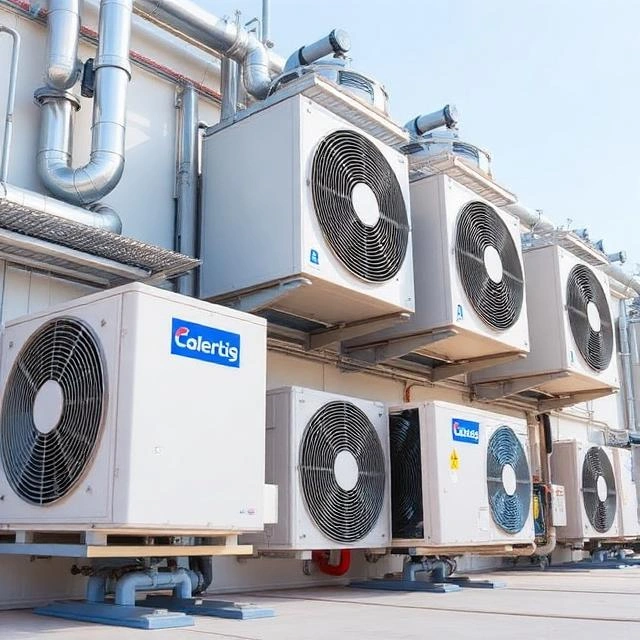
One of the earliest warning signs of commercial HVAC problems is uneven cooling across different areas of a building. Some offices may feel excessively cold while adjacent meeting rooms remain warm and uncomfortable. Restaurants may struggle to cool dining areas during busy hours, while retail stores notice inconsistent temperatures between display sections.
Uneven cooling often indicates underlying problems within the HVAC distribution system rather than a simple thermostat issue. Restricted airflow, blocked ductwork, dirty air filters, malfunctioning dampers, failing Variable Air Volume (VAV) boxes, incorrect refrigerant charge, clogged evaporator coils, or poorly calibrated Building Management Systems can all contribute to temperature imbalance.
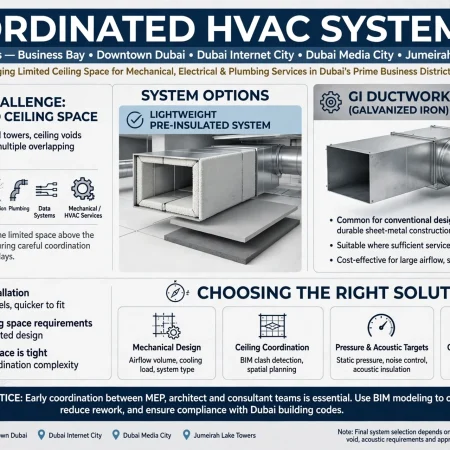
In large commercial facilities, airflow balancing is essential. Air Handling Units distribute conditioned air through complex duct networks, and any disruption to static pressure or airflow volume reduces cooling efficiency across multiple occupied spaces.
Ignoring inconsistent temperatures places additional strain on compressors, chilled water pumps, and fan motors because equipment operates longer in an attempt to achieve thermostat settings. This increases electricity consumption while accelerating component wear.
Rising Energy Bills Without Increased Building Occupancy
A sudden increase in electricity consumption is often one of the clearest indicators that an HVAC system is operating inefficiently.
Commercial buildings in Dubai rely heavily on air conditioning throughout the year, making HVAC equipment the largest consumer of electricity in most facilities. When monthly DEWA bills increase despite stable occupancy levels and unchanged operating hours, HVAC performance should be investigated immediately.
Several mechanical and electrical faults contribute to declining efficiency, including dirty condenser coils, fouled evaporator coils, refrigerant leakage, failing compressors, damaged insulation, blocked air filters, worn fan belts, malfunctioning VFDs, improperly calibrated thermostats, and deteriorating heat exchangers.
Even a small refrigerant leak can significantly reduce cooling performance. As refrigerant pressure drops, compressors work harder and consume more electricity while delivering less cooling capacity.
Routine performance monitoring, energy analysis, and preventive maintenance help identify efficiency losses before they become major financial burdens.
Unusual Sounds Coming from HVAC Equipment
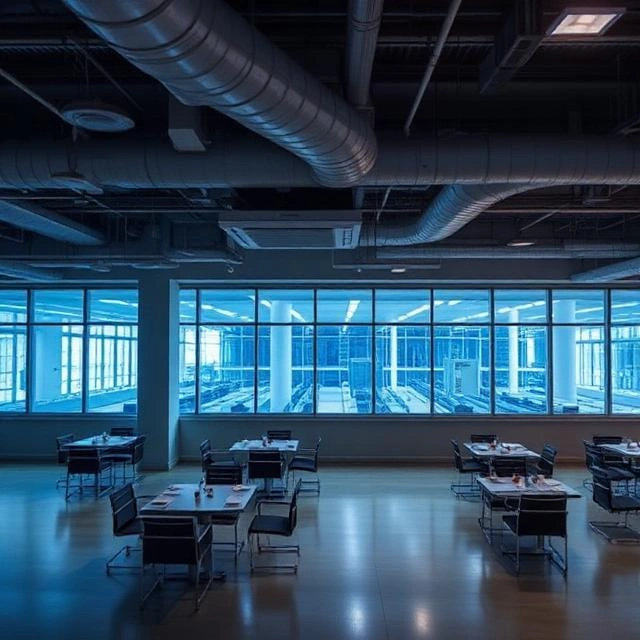
Commercial HVAC equipment normally produces a consistent operating sound. When technicians or facility managers begin hearing unfamiliar noises, they should never ignore them.
Grinding noises often indicate worn motor bearings or damaged fan assemblies. Metallic rattling may suggest loose mounting brackets, broken internal components, deteriorating duct supports, or damaged blower wheels. High-pitched squealing frequently results from slipping belts, worn pulleys, or failing motor bearings.
Loud banging sounds may indicate compressor problems or refrigerant issues that require immediate professional diagnosis.
Because commercial systems operate continuously for extended periods, seemingly minor mechanical noises often develop rapidly into expensive equipment failures if left unresolved.
Regular vibration analysis, bearing inspections, motor testing, and mechanical maintenance help prevent catastrophic breakdowns.
Weak Airflow from Supply Diffusers
Reduced airflow is another major warning sign that commercial HVAC performance is declining.
Occupants frequently notice that conditioned air no longer reaches certain offices, conference rooms, retail spaces, classrooms, or production areas with the same force as before. Although the thermostat indicates normal operation, cooling performance continues to deteriorate.
Weak airflow commonly results from clogged air filters, dirty AHU coils, blocked ductwork, collapsed flexible ducts, damaged blower fans, failing fan motors, dirty diffusers, or excessive static pressure within the distribution system.
Poor airflow also affects Indoor Air Quality (IAQ). Reduced ventilation allows carbon dioxide concentrations, airborne contaminants, humidity, dust particles, volatile organic compounds (VOCs), and unpleasant odours to accumulate inside occupied spaces.
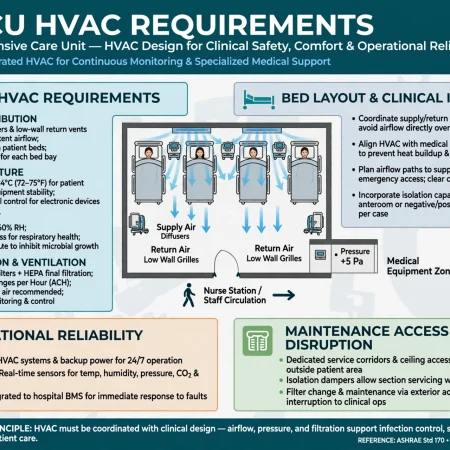
Healthcare facilities, hotels, educational institutions, shopping centres, and commercial offices rely on adequate ventilation to maintain healthy indoor environments for employees, visitors, and customers.
Professional airflow testing, duct inspection, and balancing should be performed before restricted airflow begins affecting building operations.
Excessive Humidity Inside the Building
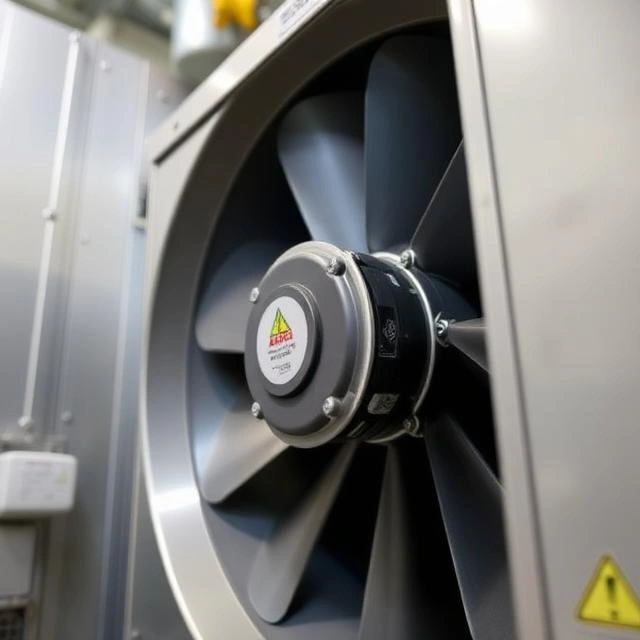
Commercial HVAC systems are designed not only to cool indoor spaces but also to control humidity.
When humidity levels begin increasing inside offices, hotels, retail stores, restaurants, or healthcare facilities, occupants often experience discomfort even when temperatures appear acceptable.
High indoor humidity may indicate oversized equipment, malfunctioning expansion valves, insufficient airflow, blocked condensate drainage systems, refrigerant issues, or improper system controls.
In Dubai’s coastal climate, excessive humidity creates favourable conditions for mould growth, bacterial contamination, condensation on glazing systems, unpleasant odours, and deterioration of interior finishes.
Modern HVAC systems should maintain balanced temperature and humidity simultaneously. Failure to control moisture often indicates developing mechanical problems requiring immediate professional assessment.
Frequent System Cycling
Commercial HVAC equipment is designed to operate through controlled cycles that maintain stable indoor temperatures while minimising energy consumption.
When systems begin switching on and off repeatedly within short periods, known as short cycling, equipment experiences unnecessary mechanical stress.
Short cycling commonly results from refrigerant loss, oversized systems, thermostat failures, electrical faults, dirty coils, blocked airflow, overheating compressors, or malfunctioning control boards.
Every additional startup increases electrical demand while reducing compressor lifespan. Left unresolved, short cycling frequently leads to complete compressor failure, one of the most expensive HVAC repairs.
Building engineers should investigate abnormal cycling behaviour immediately rather than assuming it represents normal operation.
Water Leakage Around HVAC Equipment
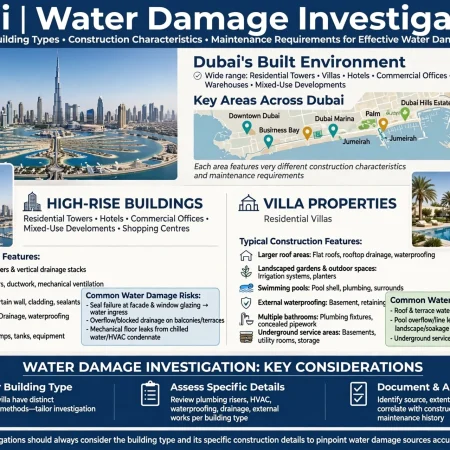
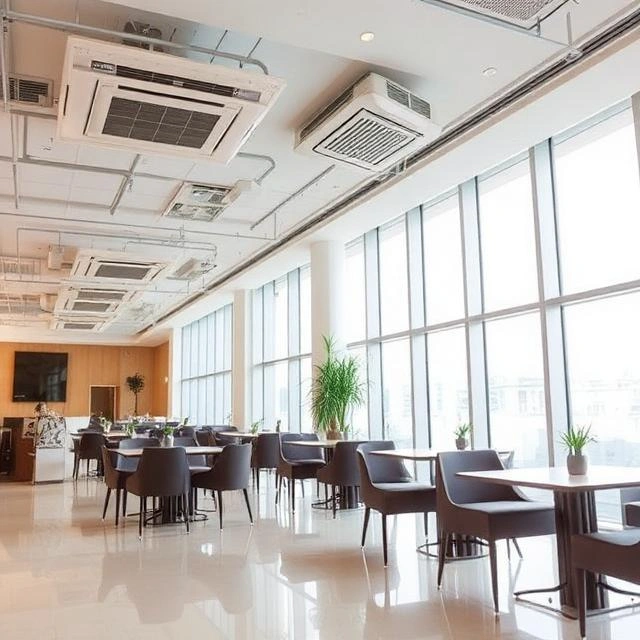
Water leakage is one of the most visible warning signs that a commercial HVAC system requires immediate attention. While small amounts of condensate are normal during cooling operations, water accumulating around indoor units, mechanical rooms, ceilings, or ductwork usually indicates an underlying problem.
Blocked condensate drain lines are among the most common causes of water leakage. Dust, algae, and debris can gradually restrict drainage, causing water to overflow from drain pans. Damaged condensate pumps, cracked drain trays, frozen evaporator coils, and improperly insulated chilled water pipes may also contribute to leakage.
In commercial buildings throughout Dubai Marina, Business Bay, Jumeirah Lake Towers (JLT), Dubai Hills Estate, Abu Dhabi, and Sharjah, water leaks can damage suspended ceilings, gypsum partitions, flooring systems, electrical installations, IT infrastructure, and expensive interior finishes. Moisture intrusion also creates favourable conditions for mould growth, reducing indoor environmental quality and increasing restoration costs.
Routine inspection of condensate drainage systems, insulation, pumps, and evaporator assemblies helps prevent water damage while extending HVAC equipment life.
The HVAC System Takes Longer to Cool the Building
When occupants notice that indoor temperatures take significantly longer to reach the thermostat setting, the cooling system is often losing efficiency.
Commercial cooling systems are carefully engineered according to building load calculations. If cooling capacity gradually declines, the problem may involve dirty condenser coils, refrigerant leakage, compressor wear, reduced airflow, malfunctioning expansion valves, fouled heat exchangers, or deteriorating cooling tower performance in chilled water systems.
As performance declines, compressors operate for extended periods while consuming more electricity. Continuous operation increases wear on motors, bearings, compressors, VFDs, pumps, and electrical controls.
Commercial facilities operating throughout the UAE cannot afford prolonged cooling delays during peak summer months. Office workers become uncomfortable, retail customers shorten visits, hotel guests submit complaints, and productivity decreases significantly when indoor comfort cannot be maintained.
Early performance testing allows engineers to identify efficiency losses before complete equipment failure occurs.
Building Management System (BMS) Alarm Notifications
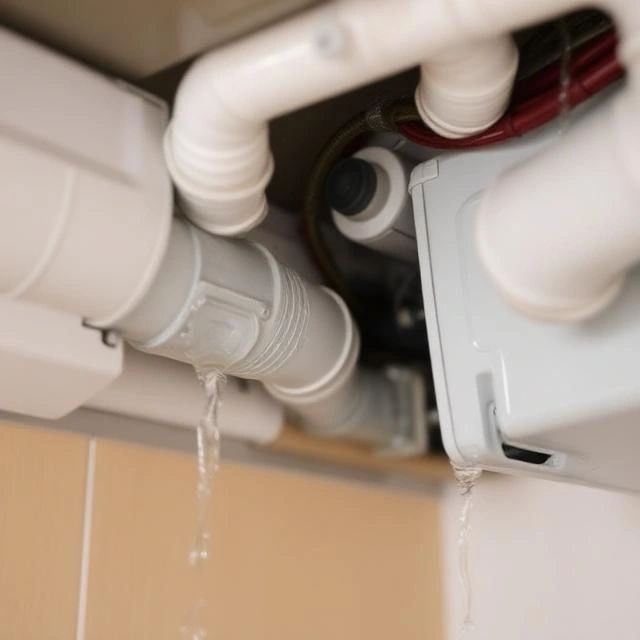
Modern commercial buildings increasingly rely on Building Management Systems (BMS) to monitor HVAC performance in real time. These intelligent systems continuously analyse equipment operation, temperature sensors, pressure sensors, humidity levels, airflow, energy consumption, motor status, pump performance, VFD operation, and fault conditions.
When the BMS begins generating repeated alarms, those warnings should never be ignored.
Common alarms include:
- High discharge pressure
- Low refrigerant pressure
- Compressor overload
- AHU fan failure
- Chilled water temperature deviation
- High return air temperature
- Sensor communication faults
- Motor overload protection
- VFD failure
- Excessive humidity alerts
Although some alarms may appear minor initially, they often indicate developing mechanical or electrical faults that become significantly more expensive if left unresolved.
Professional HVAC engineers use BMS trend analysis together with diagnostic testing to identify root causes rather than simply resetting alarms.
Frequent Occupant Complaints About Comfort
One of the earliest operational indicators of HVAC problems often comes from building occupants rather than monitoring equipment.
Employees may complain that meeting rooms become hot during afternoon hours. Retail customers may notice uncomfortable shopping conditions. Hotel guests may report inconsistent room temperatures. Healthcare staff may identify ventilation concerns inside treatment areas.
These complaints frequently indicate hidden performance problems involving airflow balancing, thermostat calibration, dirty filters, failing FCUs, malfunctioning VAV boxes, blocked diffusers, or deteriorating AHU performance.
Ignoring occupant feedback often allows relatively minor issues to develop into expensive mechanical failures.
Facility managers responsible for premium commercial buildings understand that occupant comfort directly influences productivity, customer experience, tenant retention, and overall property value.
Businesses seeking reliable Commercial HVAC Services In Downtown Duabi often prioritise scheduled inspections before comfort complaints become major operational disruptions, ensuring office buildings, retail developments, hotels, and commercial facilities maintain consistent cooling performance throughout the year.
Electrical Components Begin Failing
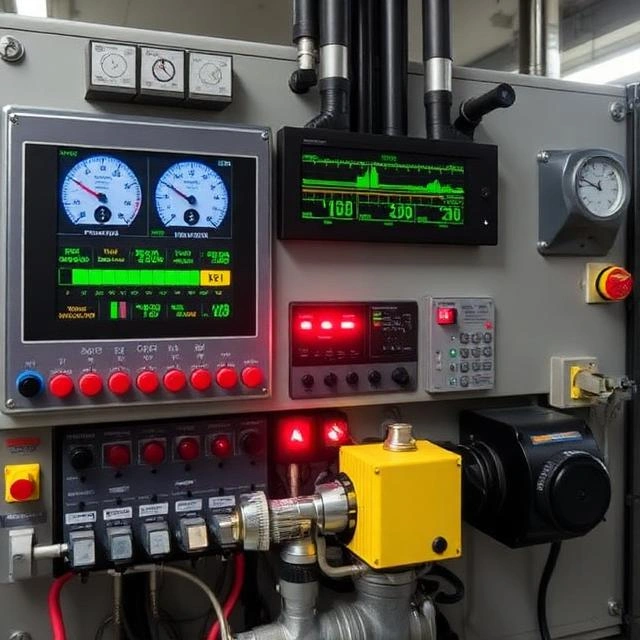
Commercial HVAC systems contain sophisticated electrical infrastructure that controls every stage of operation. Components including contactors, relays, capacitors, overload protection devices, control transformers, variable frequency drives (VFDs), programmable controllers, thermostats, pressure switches, and communication modules work together continuously to maintain efficient performance.
Electrical failures rarely occur without warning.
Common symptoms include intermittent shutdowns, breaker trips, fluctuating motor speeds, delayed equipment startup, abnormal voltage readings, overheating electrical panels, and communication failures between HVAC equipment and Building Management Systems.
Because electrical faults may eventually damage compressors, fan motors, chilled water pumps, cooling tower motors, and expensive control systems, immediate diagnosis is essential.
Qualified commercial HVAC technicians perform electrical testing using insulation resistance measurements, current analysis, voltage balancing, thermal imaging, and control system diagnostics to identify faults before major failures occur.
Preventive electrical maintenance significantly reduces unexpected downtime while improving overall equipment reliability.
Excessive Vibration Should Never Be Ignored
Mechanical vibration is often an early indication that rotating HVAC equipment is developing internal problems.
Compressors, centrifugal pumps, cooling tower fans, blower motors, AHU fans, exhaust fans, and VFD-driven equipment should operate smoothly with minimal vibration. When vibration levels increase, they frequently indicate shaft misalignment, bearing wear, loose couplings, damaged impellers, belt tension problems, motor imbalance, or deteriorating mounting assemblies.
Ignoring vibration accelerates mechanical wear throughout the HVAC system. Bearings fail prematurely, seals begin leaking, shafts become misaligned, and electrical motors experience unnecessary stress.
Professional maintenance teams frequently use vibration analysis as part of predictive maintenance programmes because it identifies developing faults long before equipment stops operating.
By correcting mechanical imbalance early, facility managers avoid expensive emergency repairs and significantly improve equipment reliability.
Dirty Coils Are Reducing System Efficiency
Both evaporator coils and condenser coils play a critical role in transferring heat during the refrigeration cycle.
Over time, dust, grease, airborne pollutants, construction debris, and environmental contamination accumulate on coil surfaces, restricting airflow and reducing heat exchange efficiency.
Dirty evaporator coils limit cooling capacity by reducing heat absorption from indoor air. Dirty condenser coils prevent efficient heat rejection, causing compressors to operate under higher pressures and consume additional electricity.
In commercial kitchens, restaurants, manufacturing facilities, warehouses, and buildings located near major roads or construction sites, coils become contaminated much faster due to increased airborne particles.
Professional coil cleaning restores heat transfer efficiency, improves airflow, reduces compressor workload, lowers electricity consumption, and extends equipment lifespan.
Emergency Repairs Cost More Than Preventive Maintenance
Many businesses postpone HVAC repairs because the system continues operating despite showing warning signs. Unfortunately, delaying maintenance often transforms relatively inexpensive repairs into major equipment failures requiring costly emergency intervention.
Replacing a clogged filter or repairing a minor refrigerant leak is considerably less expensive than replacing a failed compressor, damaged chiller, burnt electrical panel, or seized fan motor.
Preventive maintenance programmes include scheduled inspections, lubrication, electrical testing, refrigerant monitoring, filter replacement, airflow balancing, BMS diagnostics, vibration analysis, coil cleaning, and performance testing. These services help identify developing faults before they interrupt building operations.
For commercial properties where HVAC downtime affects customers, employees, tenants, production, or business continuity, preventive maintenance is not simply a maintenance expense—it is a long-term operational investment that protects valuable building assets while ensuring reliable year-round performance.