Restaurants and commercial kitchens operate in one of the most demanding indoor environments for heating, ventilation, and air conditioning (HVAC) systems. Unlike offices or retail stores, commercial kitchens continuously generate heat, steam, smoke, grease particles, moisture, and cooking odours. Without a properly designed HVAC system, these conditions can lead to poor indoor air quality, uncomfortable dining areas, increased energy consumption, equipment failures, and health and safety concerns.
In the UAE, where outdoor temperatures often exceed 45°C during the summer months, restaurant HVAC design becomes even more critical. Whether it is a fine dining restaurant in Downtown Dubai, a café in Jumeirah, a hotel kitchen in Dubai Marina, or a food court in Business Bay, every commercial kitchen requires an HVAC system that maintains thermal comfort while complying with ventilation and fire safety standards.
A successful restaurant HVAC design goes beyond cooling the building. It creates a balanced indoor environment by controlling temperature, humidity, airflow, pressure relationships, ventilation, and contaminant removal. It also supports employee productivity, customer comfort, food hygiene, and long-term operational efficiency.
This guide explains the most important HVAC design considerations for restaurants and commercial kitchens, helping business owners, consultants, architects, facility managers, and contractors understand the principles behind efficient commercial kitchen ventilation.
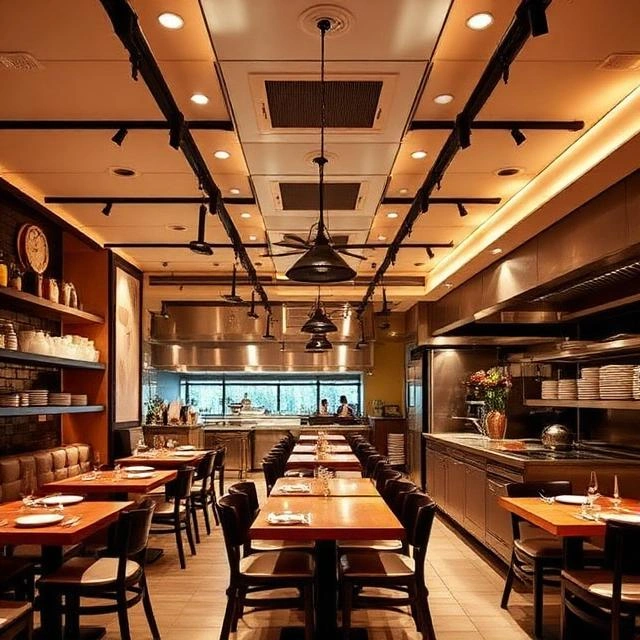
Why HVAC Design Is Different for Restaurants
Restaurants present unique engineering challenges because different areas of the building have completely different environmental requirements.
The dining area should feel cool, quiet, and comfortable for customers. In contrast, the kitchen contains cooking appliances that generate intense heat throughout the day. Fryers, grills, ovens, charcoal stations, steamers, and dishwashers continuously release heat, moisture, grease vapours, and combustion by-products into the surrounding air.
A single air conditioning system cannot effectively manage these different environments.
Instead, HVAC engineers design separate ventilation and air conditioning strategies that work together to maintain proper air balance while ensuring comfortable temperatures across the entire facility.
This integrated approach improves operational efficiency while protecting kitchen staff from excessive heat exposure.
Understanding Heat Loads in Commercial Kitchens
Before selecting HVAC equipment, engineers calculate the building’s total cooling load.
Restaurant cooling loads differ significantly from office buildings because kitchens generate large amounts of internal heat.
Major heat sources include:
- Commercial ovens
- Gas ranges
- Deep fryers
- Charcoal grills
- Pizza ovens
- Steam equipment
- Refrigeration compressors
- Dishwashing machines
- Kitchen lighting
- Staff occupancy
- Solar heat gain
- Fresh outdoor air
Each appliance contributes sensible heat, while cooking processes also release latent heat through moisture and steam.
Accurate heat load calculations ensure chillers, rooftop units, VRF systems, or DX air conditioning equipment are correctly sized.
Oversized systems waste energy through short cycling, while undersized equipment struggles to maintain comfortable indoor temperatures.
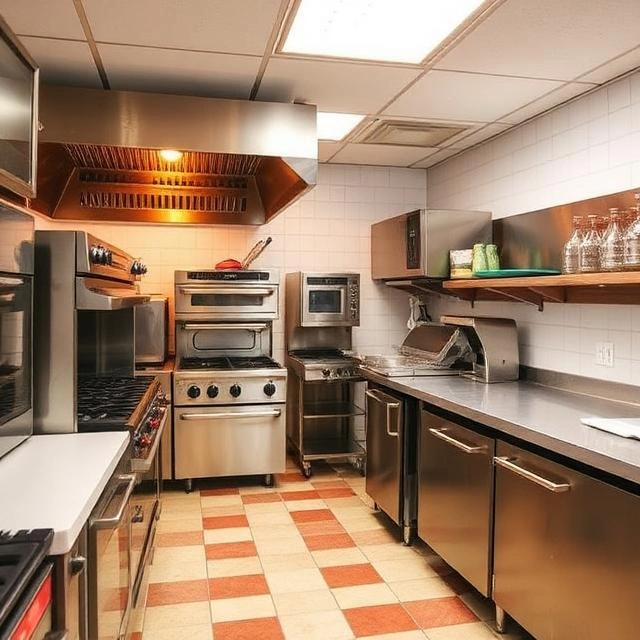
The Importance of Kitchen Ventilation
Ventilation is one of the most important elements of commercial kitchen HVAC design.
Cooking generates smoke, grease particles, airborne contaminants, moisture, odours, and combustion gases that must be safely removed from the building.
Without effective ventilation:
- Indoor temperatures increase rapidly.
- Kitchen staff become uncomfortable.
- Grease accumulates inside ductwork.
- Equipment performance declines.
- Fire risks increase.
- Indoor air quality deteriorates.
- Customer comfort is affected.
Commercial kitchen ventilation continuously removes contaminated air while introducing clean outdoor air to maintain healthy working conditions.
A properly balanced system protects employees while improving food preparation environments.
Commercial Kitchen Exhaust Systems
Kitchen exhaust systems remove contaminated air directly from cooking appliances before pollutants spread throughout the building.
The system normally includes:
- Kitchen exhaust hood
- Grease filters
- Exhaust ductwork
- Fire-rated duct
- Exhaust fan
- Roof termination
- Ecology unit (where required)
Exhaust hoods capture rising heat, grease, and smoke immediately above cooking equipment.
The captured air travels through grease filters into exhaust ducts before being discharged safely outdoors.
High-efficiency filtration systems help reduce grease accumulation while improving overall ventilation performance.
Selecting the correct hood type depends on the cooking equipment installed within the kitchen.
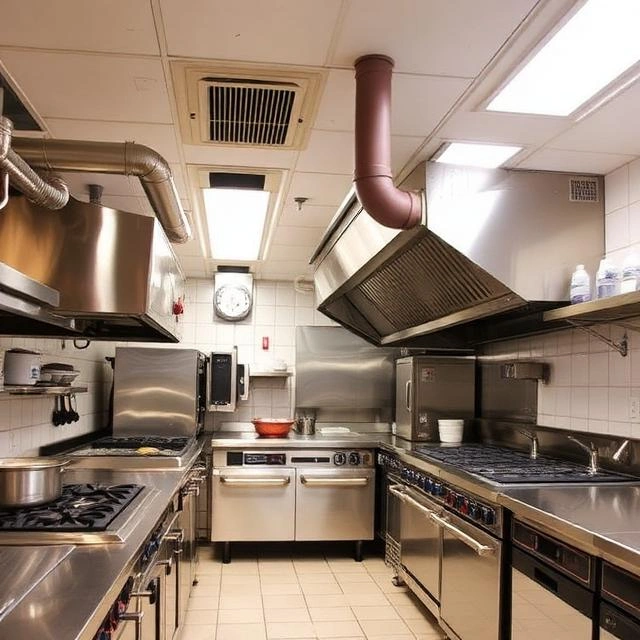
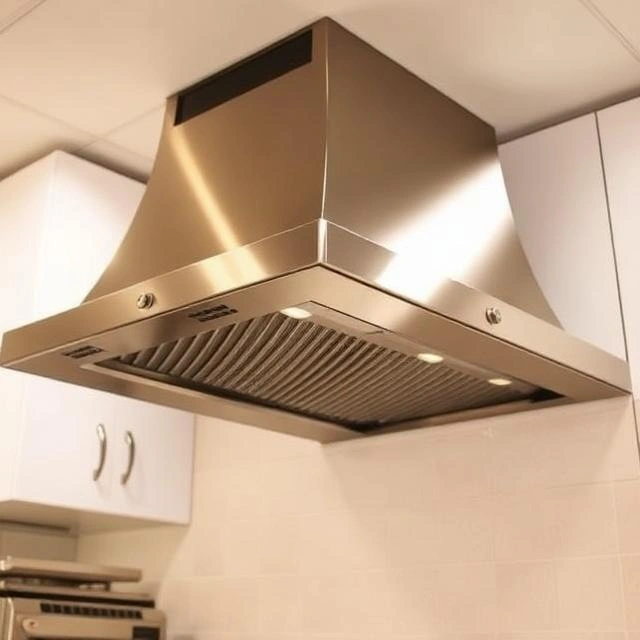
Choosing the Right Kitchen Hood
Kitchen hoods are designed according to the cooking process.
Type I hoods remove grease, smoke, and heat generated by equipment such as fryers, grills, and ranges.
Type II hoods are used for appliances producing heat and steam but little grease, including ovens and dishwashers.
Proper hood dimensions ensure contaminants remain inside the capture zone before entering the exhaust system.
Incorrect hood sizing may allow grease and smoke to escape into the kitchen, reducing air quality and increasing maintenance requirements.
Engineers carefully evaluate appliance locations, airflow velocity, hood overhang, and exhaust volume before finalising the design.
The Role of Make-Up Air Systems
Removing large quantities of air from a commercial kitchen creates negative air pressure.
Without replacement air, several problems occur:
- Kitchen doors become difficult to open.
- Exhaust hoods lose efficiency.
- Outdoor dust infiltrates the building.
- Air conditioning performance decreases.
- Dining areas become uncomfortable.
Make-Up Air Units (MAUs) replace exhausted air with conditioned fresh outdoor air.
These systems restore pressure balance while improving ventilation effectiveness.
Properly designed make-up air systems reduce energy consumption while supporting efficient kitchen exhaust performance.
Maintaining balanced airflow is one of the most important objectives in restaurant HVAC engineering.
Air Distribution Inside Restaurants
Air distribution determines how conditioned air reaches occupied spaces.
Poor air distribution may create:
- Hot spots
- Cold drafts
- Uneven temperatures
- High humidity
- Customer discomfort
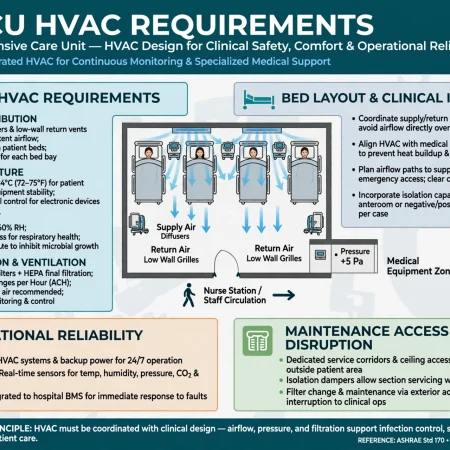
HVAC engineers position supply diffusers, return grilles, and ventilation outlets to maintain consistent airflow throughout dining areas.
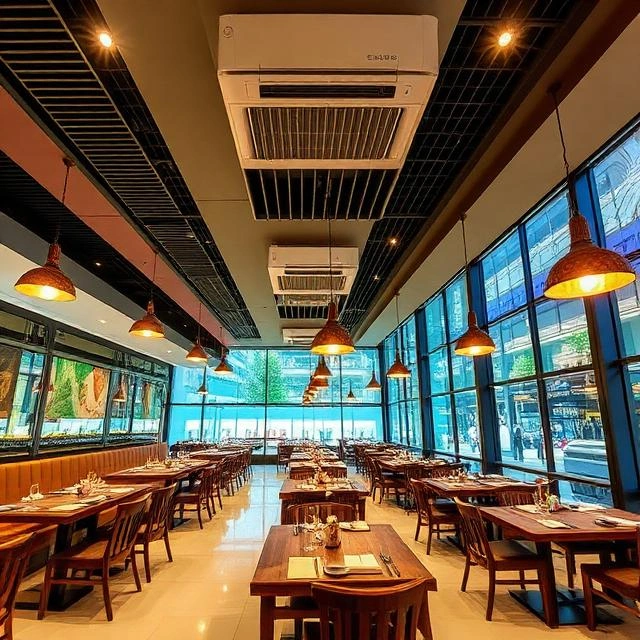
Restaurants often use ceiling diffusers with carefully calculated air throw patterns to distribute conditioned air evenly without creating uncomfortable drafts over dining tables.
Kitchen supply air should support worker comfort without interfering with exhaust hood capture performance.
Proper airflow management improves both comfort and operational efficiency.
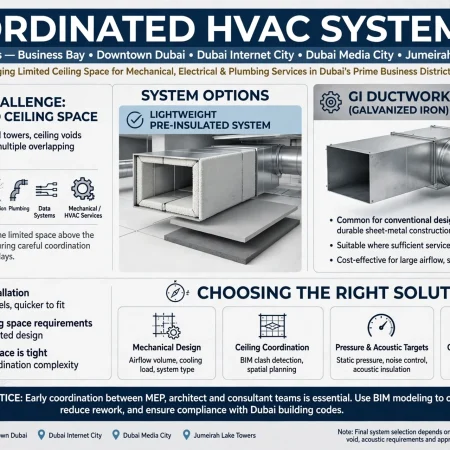
Ductwork Design Matters
Commercial ductwork acts as the transportation network for conditioned air throughout the building.
Well-designed ducts minimise pressure losses while maintaining adequate airflow.
Restaurant duct systems often include:
- Supply air ducts
- Return air ducts
- Fresh air ducts
- Kitchen exhaust ducts
- Smoke extraction ducts
- Fire-rated duct systems
Engineers follow recognised standards such as SMACNA when sizing ducts to reduce noise, improve efficiency, and maintain consistent air velocity.
Poor duct design increases fan energy consumption while reducing system performance.
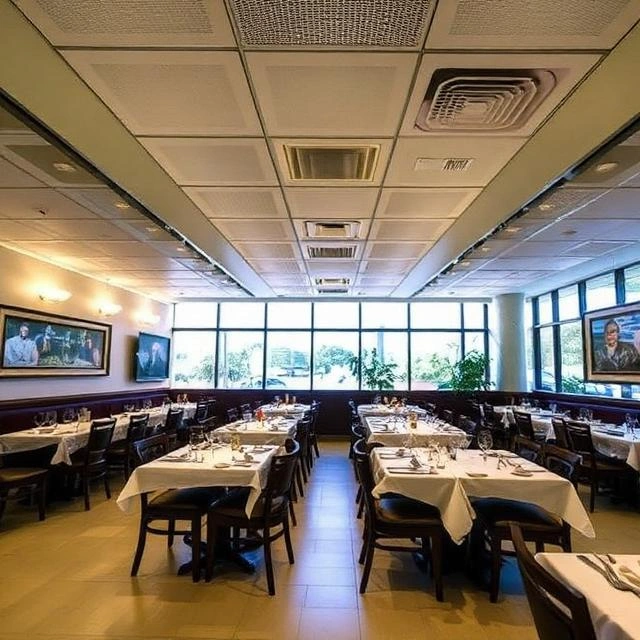
Indoor Air Quality in Restaurants
Indoor Air Quality (IAQ) directly influences customer satisfaction and employee wellbeing.
Restaurant air contains numerous contaminants including:
- Carbon dioxide
- Cooking fumes
- Grease particles
- Moisture
- Volatile Organic Compounds (VOCs)
- Odours
- Fine particulate matter
Modern HVAC systems improve IAQ through effective filtration, controlled ventilation, humidity management, and continuous outdoor air supply.
Many commercial kitchens also install electrostatic precipitators (ESP), carbon filtration units, or ecology systems to further reduce airborne contaminants before exhaust air leaves the building.
Maintaining clean indoor air creates healthier environments while enhancing customer dining experiences.
Restaurant HVAC Design in Dubai Hills
Dubai Hills has rapidly become one of Dubai’s premier residential and commercial communities, featuring cafés, restaurants, luxury hotels, and retail dining destinations.
Restaurant operators in this area require HVAC systems capable of maintaining comfortable indoor temperatures despite high outdoor heat and continuous kitchen operation.
Modern restaurant projects increasingly incorporate energy-efficient chillers, intelligent Building Management Systems (BMS), variable frequency drives (VFDs), demand-controlled ventilation, and high-performance kitchen exhaust systems to reduce operating costs while improving indoor comfort.
Working with experienced HVAC contractors in Dubai Hills ensures restaurant owners receive professionally engineered HVAC solutions tailored to their kitchen layout, customer seating capacity, and operational requirements.
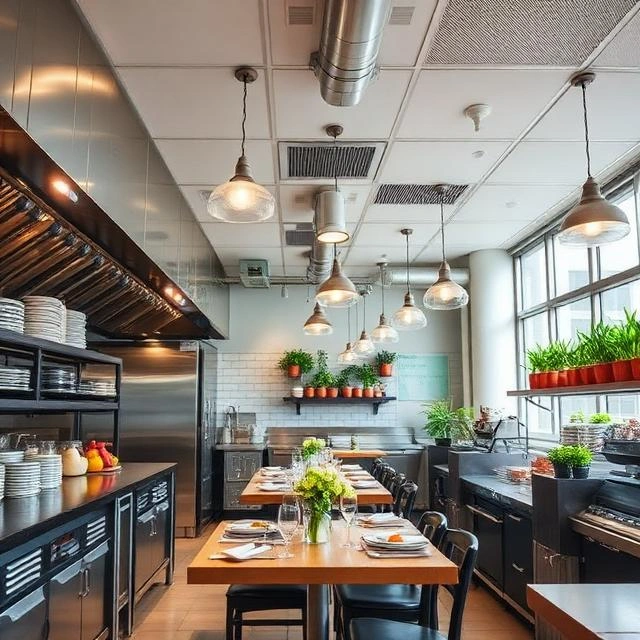
Commercial Kitchen Exhaust Systems
A commercial kitchen exhaust system serves as the primary mechanism for removing heat, smoke, grease vapours, steam, and airborne contaminants generated during cooking. Every restaurant kitchen produces pollutants that can quickly accumulate if they are not extracted efficiently. A professionally engineered exhaust system captures these contaminants directly above the cooking equipment before they spread throughout the kitchen or dining area. This process helps maintain a comfortable working environment, improves visibility, protects indoor air quality, and reduces the accumulation of grease on walls, ceilings, and HVAC components. An effective exhaust system also supports compliance with commercial kitchen ventilation standards while lowering long-term maintenance requirements.
Choosing the Right Kitchen Hood
The kitchen hood is one of the most critical components of a commercial ventilation system because it determines how effectively heat and contaminants are captured. Every kitchen operates differently depending on the type of cuisine and cooking equipment used. Restaurants with charbroilers, deep fryers, gas ranges, and griddles generate significantly more grease and smoke than bakeries or cafés. Engineers evaluate appliance locations, cooking intensity, heat output, and airflow requirements before selecting the appropriate hood configuration. Correct hood sizing ensures rising heat, grease particles, and smoke remain inside the capture zone, allowing the exhaust system to remove contaminants efficiently. A poorly designed hood can allow pollutants to escape into the kitchen, reducing air quality and increasing cooling loads throughout the building.
The Role of Make-Up Air Systems
Every cubic metre of air removed through the kitchen exhaust system must be replaced with fresh outdoor air to maintain balanced building pressure. This replacement air is supplied through a Make-Up Air Unit (MAU), which introduces filtered and conditioned outdoor air into the kitchen. Without adequate make-up air, excessive negative pressure develops inside the restaurant, causing doors to become difficult to open, reducing the efficiency of kitchen hoods, and allowing unfiltered air to enter the building through unwanted gaps. Properly balanced make-up air systems improve the performance of both the ventilation and air conditioning systems while creating a healthier and more comfortable environment for kitchen staff. Maintaining this balance is one of the most important principles of commercial HVAC design.
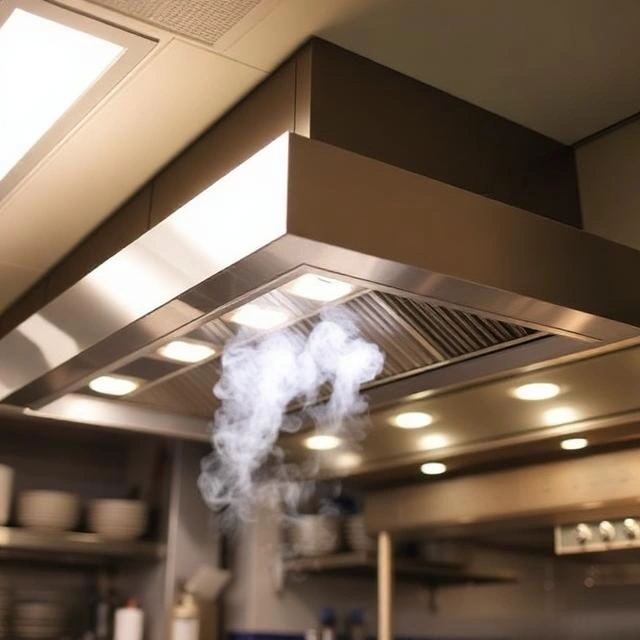
Air Distribution Throughout the Restaurant
Air distribution plays a major role in creating comfortable indoor conditions for both customers and employees. While the dining area requires quiet, evenly distributed cooling, the kitchen demands controlled airflow that supports ventilation without interfering with exhaust performance. HVAC engineers carefully position supply diffusers, return air grilles, and ventilation outlets to maintain consistent temperatures throughout the building. Proper air distribution eliminates uncomfortable hot spots, prevents excessive drafts around dining tables, and ensures conditioned air reaches every occupied space. Computational airflow analysis is often used during commercial HVAC design to optimise diffuser placement and achieve uniform thermal comfort across restaurants of different sizes.
Designing Efficient Commercial Ductwork
Ductwork forms the backbone of every HVAC system by transporting conditioned air, fresh air, return air, and exhaust air throughout the building. In restaurants, duct systems must accommodate supply air, kitchen exhaust, make-up air, smoke extraction, and return air while maintaining efficient airflow and acceptable noise levels. Engineers calculate duct dimensions according to airflow volume, air velocity, static pressure, and available installation space. Well-designed ductwork reduces energy losses, minimises fan power consumption, and improves overall HVAC efficiency. Proper insulation also prevents condensation while reducing thermal losses, particularly in the UAE’s hot climate where cooling efficiency is essential throughout the year.
Restaurant HVAC Design in Business Bay
Business Bay is one of Dubai’s busiest commercial districts, with restaurants operating inside office towers, mixed-use developments, luxury hotels, and retail destinations. These facilities experience high customer turnover during lunch and evening service, creating constantly changing cooling and ventilation demands. HVAC systems designed for restaurants in Business Bay must respond quickly to occupancy fluctuations while maintaining comfortable indoor temperatures and excellent air quality. Energy-efficient chillers, demand-controlled ventilation, intelligent Building Management Systems (BMS), and Variable Frequency Drives (VFDs) are increasingly incorporated into commercial restaurant projects to optimise energy consumption without compromising customer comfort. Careful system design also helps businesses reduce operating expenses while maintaining reliable performance throughout the year.
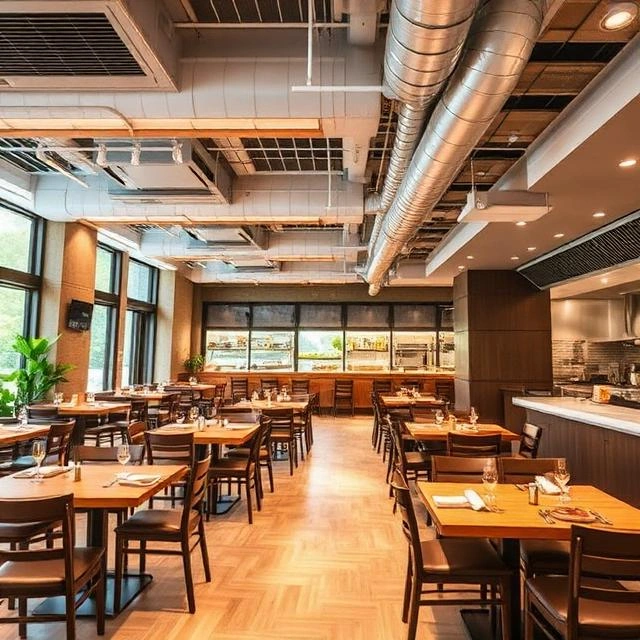
Restaurant HVAC Solutions in Downtown Dubai
Downtown Dubai features luxury dining venues, international restaurants, cafés, and hotel kitchens that serve thousands of visitors every day. Restaurants in this area often include open kitchens where cooking activities are visible to customers, making ventilation design even more important. Effective HVAC systems prevent cooking odours, smoke, and excess heat from entering dining spaces while maintaining an inviting atmosphere. Engineers frequently integrate high-performance kitchen exhaust systems with advanced air conditioning equipment to achieve precise temperature control, balanced humidity, and quiet operation. The result is a comfortable dining environment that enhances customer satisfaction while supporting efficient kitchen operations.
Restaurant HVAC Design in Dubai Marina
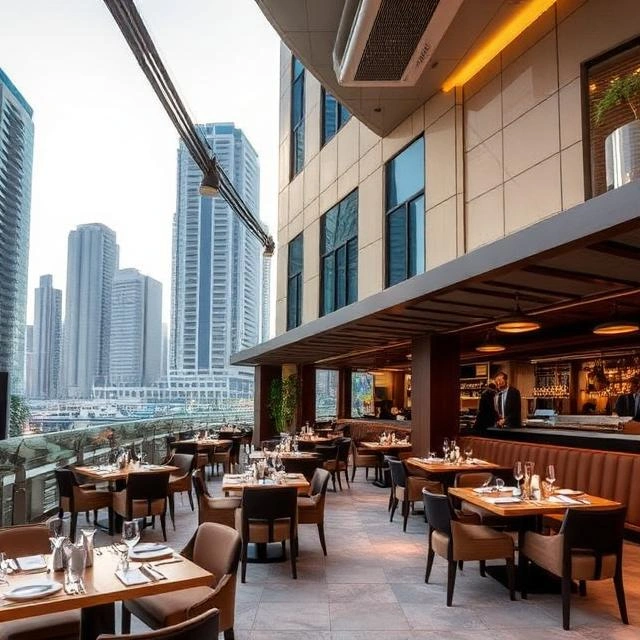
Dubai Marina is home to waterfront restaurants, cafés, fine dining venues, and hotel food outlets that welcome residents and tourists throughout the year. These establishments often feature indoor dining spaces alongside outdoor terraces, creating unique HVAC design challenges. Engineers must maintain comfortable indoor temperatures despite frequent door openings, solar heat gain through large glass façades, and varying occupancy levels throughout the day. A well-designed HVAC system maintains stable indoor conditions without creating uncomfortable drafts near entrances or seating areas. High-performance air conditioning combined with effective kitchen ventilation ensures that cooking odours, excess humidity, and airborne grease remain confined to the kitchen while guests enjoy a pleasant dining experience.
Commercial Kitchen Ventilation in Jumeirah
Jumeirah is known for its premium restaurants, beachside cafés, and luxury hospitality venues, where customer comfort is as important as food quality. Restaurants in this area often invest in high-performance HVAC systems that create quiet, comfortable dining environments while supporting demanding commercial kitchen operations. Engineers carefully coordinate kitchen exhaust systems, make-up air units, chilled water systems, and air distribution layouts to achieve balanced airflow throughout the building. This integrated approach prevents heat from migrating into customer areas while ensuring kitchen staff work in safe and comfortable conditions. Effective ventilation also helps preserve interior finishes by reducing grease accumulation and controlling moisture levels within the building.
Restaurant HVAC Systems in Jumeirah Lake Towers (JLT)
Jumeirah Lake Towers (JLT) continues to grow as one of Dubai’s busiest commercial districts, with numerous restaurants serving office workers, residents, and visitors. Many kitchens operate continuously from breakfast until late evening, placing considerable demand on mechanical systems. HVAC engineers must design solutions capable of maintaining consistent cooling performance despite fluctuating occupancy and changing cooking loads. Modern restaurants increasingly utilise Variable Refrigerant Flow (VRF) systems, Air Handling Units (AHUs), Fan Coil Units (FCUs), and intelligent ventilation controls that automatically respond to operational conditions. These technologies improve thermal comfort while reducing unnecessary energy consumption during quieter operating periods.
Improving Indoor Air Quality for Customers and Employees
Indoor Air Quality (IAQ) is one of the most important indicators of a healthy restaurant environment. Poor air quality affects customer comfort, employee wellbeing, and overall business reputation. Cooking activities continuously generate airborne grease particles, moisture, smoke, odours, carbon dioxide, and microscopic particulate matter. Without effective ventilation and filtration, these contaminants remain inside the building, reducing comfort and increasing maintenance requirements. Modern HVAC systems improve indoor air quality by combining high-efficiency filtration, controlled fresh air ventilation, humidity management, and continuous air circulation. Additional technologies such as Electrostatic Precipitators (ESP), activated carbon filtration, ultraviolet germicidal irradiation (UVGI), and Ecology Units further improve air cleanliness by removing grease particles, odours, and airborne contaminants before exhaust air is discharged outside.
Controlling Temperature and Humidity
Temperature alone does not determine indoor comfort. Relative humidity also plays a significant role in creating pleasant dining environments and productive working conditions inside commercial kitchens. Excess humidity can make indoor spaces feel warmer than they actually are, while also encouraging condensation, mould growth, and deterioration of building materials. Commercial kitchens naturally produce large amounts of moisture through cooking, cleaning, and dishwashing processes. HVAC systems therefore remove both sensible heat and latent heat while maintaining balanced humidity levels throughout the building. Proper humidity control protects interior finishes, improves food storage conditions, and enhances comfort for both customers and staff.
Fire Safety Considerations in Commercial Kitchens
Fire safety is a critical aspect of restaurant HVAC design because cooking equipment continuously produces grease-laden vapours that can accumulate inside exhaust ductwork if not properly managed. Commercial kitchen ventilation systems are designed in accordance with recognised engineering standards such as NFPA 96, ensuring that grease extraction, fire-rated ductwork, access panels, and exhaust system components support safe building operation. Fire suppression systems installed within kitchen hoods provide additional protection by automatically responding if a fire occurs. Regular cleaning of grease filters, exhaust ducts, and ventilation equipment significantly reduces fire risk while maintaining efficient airflow throughout the kitchen.
HVAC Controls and Building Management Systems
Modern restaurants increasingly integrate their HVAC equipment with Building Management Systems (BMS) to improve operational efficiency and simplify facility management. Intelligent control systems continuously monitor indoor temperature, humidity, airflow, energy consumption, equipment status, and ventilation performance. Building operators can identify maintenance issues before equipment failures occur, allowing preventive maintenance to replace costly emergency repairs. Variable Frequency Drives (VFDs) installed on fans and pumps automatically adjust motor speed according to real-time demand, reducing electricity consumption while maintaining consistent indoor comfort. Smart control strategies help restaurants optimise energy performance without compromising ventilation or customer experience.
Preventive Maintenance for Long-Term Performance
Even the best-designed HVAC system requires regular maintenance to operate efficiently throughout its lifespan. Restaurant environments expose HVAC equipment to grease, moisture, dust, and continuous operational demands that accelerate wear if maintenance is neglected. Preventive maintenance includes inspecting air filters, cleaning evaporator and condenser coils, servicing fan motors, checking refrigerant levels, inspecting electrical components, balancing airflow, and cleaning kitchen exhaust systems. Routine inspections also ensure that make-up air units, air handling units, chilled water systems, and ventilation controls continue operating as originally designed. Consistent maintenance improves equipment reliability, extends service life, reduces energy consumption, and minimises unexpected operational disruptions.
Common HVAC Design Mistakes to Avoid
Successful restaurant HVAC design depends on careful engineering and coordination between architects, kitchen consultants, mechanical engineers, and contractors. One common mistake is underestimating the amount of heat generated by commercial cooking equipment, resulting in insufficient cooling capacity during busy service periods. Poor kitchen exhaust design may allow smoke and grease to spread into dining areas, negatively affecting customer comfort and indoor air quality. Inadequate make-up air creates pressure imbalances that reduce hood performance and increase energy consumption. Oversized air conditioning equipment can also reduce efficiency because frequent compressor cycling prevents proper humidity removal. Careful planning, accurate engineering calculations, and professional commissioning help avoid these problems while ensuring reliable long-term performance.
The Future of Restaurant HVAC Systems
Commercial HVAC technology continues to evolve as restaurants seek greater energy efficiency, sustainability, and operational intelligence. Demand-controlled kitchen ventilation is becoming increasingly common, automatically adjusting exhaust airflow according to actual cooking activity rather than operating continuously at full capacity. Energy Recovery Ventilators (ERVs) and Heat Recovery Ventilators (HRVs) improve efficiency by transferring energy between exhaust air and incoming fresh air, reducing cooling loads during Dubai’s hot climate. Artificial intelligence, cloud-based monitoring platforms, and predictive maintenance technologies are also transforming commercial facility management by providing real-time equipment diagnostics and performance analysis. These innovations help restaurant owners reduce operating costs while maintaining excellent indoor environmental quality.
Conclusion
Restaurant HVAC design is far more than selecting an air conditioning unit. It is a carefully engineered system that combines cooling, ventilation, humidity control, kitchen exhaust, make-up air, ductwork, filtration, fire safety, and intelligent controls to create safe, comfortable, and energy-efficient environments. Every component works together to support food preparation, employee wellbeing, customer satisfaction, and long-term building performance.
Across Dubai, including Dubai Hills, Business Bay, Downtown Dubai, Dubai Marina, Jumeirah, Jumeirah Lake Towers, Al Barsha, Dubai Silicon Oasis, and Jebel Ali, restaurants continue investing in modern HVAC solutions that deliver reliable performance while meeting demanding operational requirements. By understanding the principles of commercial kitchen ventilation, indoor air quality, airflow management, and preventive maintenance, restaurant owners and facility managers can make informed decisions that improve efficiency and protect their investment for years to come. A professionally engineered HVAC system not only enhances comfort but also contributes to operational reliability, regulatory compliance, and the overall success of any commercial restaurant or kitchen.