Understanding Roof Leakage Issues in Dubai Buildings
Roof leakage is one of the most common waterproofing problems affecting residential, commercial, and industrial buildings across Dubai. The region’s extreme weather conditions, high temperatures, humidity, occasional heavy rainfall, and constant exposure to sunlight create challenging conditions for roof structures. Although Dubai receives limited rainfall compared to many regions, when rain occurs, weak waterproofing systems can quickly lead to water seepage, damp patches, mould growth, concrete damage, and expensive repairs.
A roof is not only a protective cover for a building; it is an important part of the building envelope that prevents moisture penetration and protects structural elements. Most modern buildings in Dubai use reinforced concrete roof slabs combined with waterproof membranes, insulation layers, drainage systems, and protective coatings. When any part of this system fails, water can enter through cracks, joints, damaged membranes, or poor drainage areas.
Professional roof inspection and timely waterproofing maintenance help property owners avoid major structural problems. Whether it is a villa in Dubai Hills Estate, a commercial tower in Business Bay, or a residential building in Dubai Marina, effective roof protection is essential for maintaining property value and preventing long-term damage.
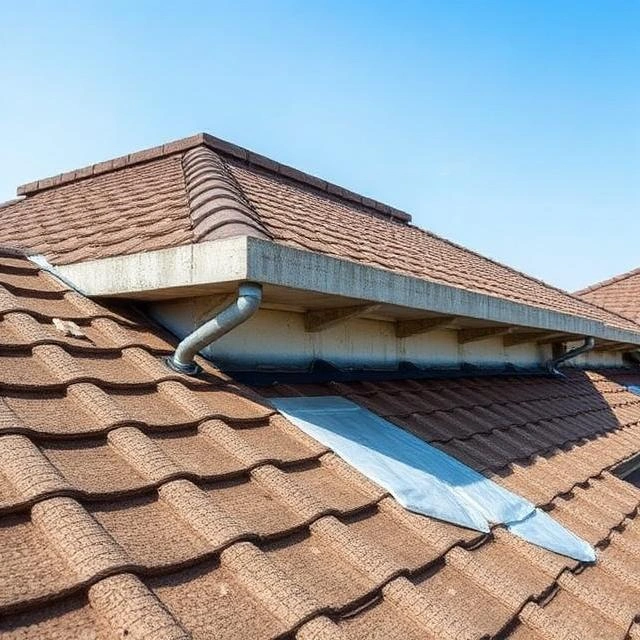
Why Roof Leakage Happens Frequently in Dubai Properties
Dubai’s climate creates unique challenges for roofing systems. During summer, roof surfaces can experience extremely high temperatures, causing concrete and waterproofing materials to expand and contract repeatedly. This thermal movement places stress on waterproof membranes, joints, and protective coatings. Over several years, these repeated temperature changes can create small cracks that allow moisture to enter.
Another major reason for roof leakage is ageing waterproofing systems. Many buildings depend on waterproof membranes installed during initial construction. Over time, these membranes lose flexibility, develop cracks, or separate from the concrete substrate due to continuous exposure to heat and environmental conditions.
Poor roof maintenance is also a significant contributor. Blocked drainage outlets, damaged protective layers, accumulated debris, and neglected inspection schedules allow water to remain on the roof surface for longer periods. Standing water increases pressure on weak areas and accelerates waterproofing failure.
Common causes of roof leakage in Dubai buildings include:
- Cracked concrete roof slabs
- Damaged waterproof membranes
- Failed expansion joints
- Poor drainage systems
- Blocked rainwater outlets
- Ageing sealants around rooftop equipment
- Incorrect waterproofing installation
- Mechanical damage from maintenance activities
Identifying the actual cause of leakage is important because applying a temporary coating without fixing the underlying problem often results in repeated water seepage.
Common Roof Leakage Problems Found in Dubai Buildings
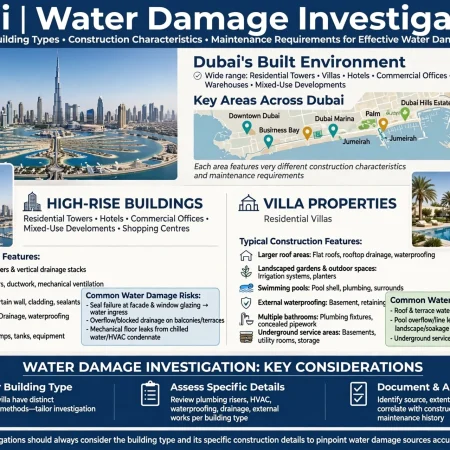
Different buildings experience different types of roof leakage depending on construction quality, age, design, and maintenance history. Residential villas, apartment buildings, commercial towers, warehouses, and industrial facilities all require specific waterproofing solutions based on their roof structure and usage.
One of the most common problems is water penetration through cracks in reinforced concrete roof slabs. Small cracks may appear harmless initially, but continuous exposure to moisture can allow water to reach internal layers of the structure. Over time, this can cause concrete deterioration, corrosion of steel reinforcement, ceiling stains, and reduced structural durability.
Another frequent issue is waterproof membrane failure. Waterproof membranes are designed to create a protective barrier between the roof surface and moisture. However, poor installation, physical damage, UV exposure, and ageing can reduce their effectiveness. When membranes become damaged, water can travel beneath the surface and appear in different areas of the building, making leakage detection more difficult.
Buildings in areas such as Jumeirah, Palm Jumeirah, Arabian Ranches, Emirates Hills, and Dubai Hills Estate often have large villa roof areas, terraces, balconies, and outdoor spaces that require proper waterproofing protection due to direct exposure to weather conditions.
Roof Cracks and Concrete Damage as Major Leakage Sources
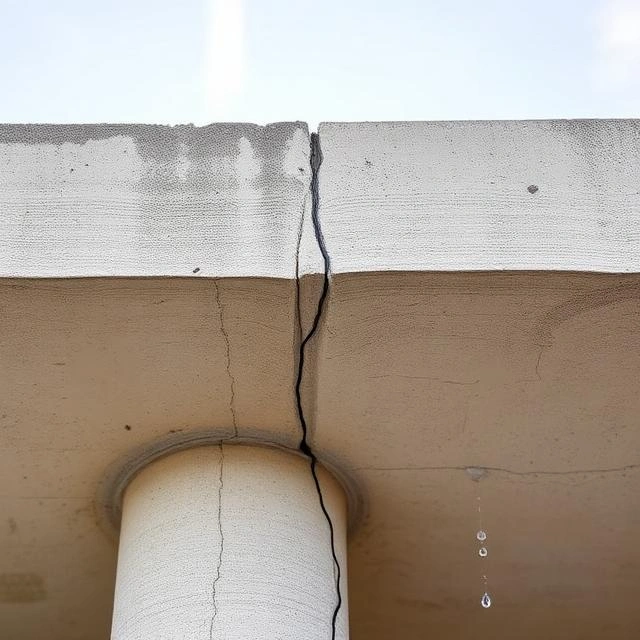
Concrete roof cracks are among the most common reasons behind water leakage in Dubai properties. Reinforced concrete is strong and durable, but it naturally expands and contracts due to temperature changes. In Dubai’s climate, where roof surfaces experience intense heat during the day and cooler temperatures at night, repeated thermal movement can gradually create cracks.
Not all cracks cause immediate leakage, but untreated cracks can become pathways for water infiltration. Once moisture enters the concrete structure, it can cause several problems, including:
- Rusting of reinforcement steel
- Concrete surface deterioration
- Interior ceiling damage
- Paint peeling
- Mould and humidity issues
- Reduced structural performance
Professional repair usually involves identifying crack depth, cleaning the damaged area, applying suitable repair materials, and installing a protective waterproofing layer. Depending on the condition of the roof, contractors may use polyurethane coatings, epoxy repair systems, cementitious waterproofing materials, or membrane solutions.
For properties requiring long-term protection, specialised solutions such as concrete waterproofing service in dubai hills help strengthen concrete surfaces and prevent moisture penetration in vulnerable roof structures.
Waterproof Membrane Failure and How It Affects Buildings
Waterproof membranes are one of the most important components of modern roof protection systems. They create a barrier that prevents water from reaching the concrete structure underneath. However, membrane failure is a common reason why many Dubai buildings develop roof leakage problems after several years.
There are different types of waterproof membranes used in construction, including:
- Bituminous waterproof membranes
- PVC waterproof membranes
- EPDM membranes
- Liquid-applied polyurethane coatings
- Cementitious waterproofing systems
Each system has specific installation requirements and maintenance needs. When membranes are installed incorrectly, exposed to excessive heat, damaged during maintenance work, or affected by poor surface preparation, their performance decreases.
Signs of waterproof membrane failure include:
- Water stains on ceilings
- Damp patches near roof areas
- Bubbling or peeling membrane surfaces
- Visible cracks or separation
- Moisture accumulation under tiles or protective layers
A professional waterproofing inspection can determine whether the membrane requires repair, recoating, or complete replacement. Early action prevents small waterproofing failures from becoming expensive structural repairs.
Expansion Joint Leakage in Commercial and High-Rise Buildings
Expansion joints are designed to allow buildings to naturally move without causing structural damage. Due to Dubai’s temperature variations, large buildings experience continuous expansion and contraction. Commercial towers, shopping malls, hotels, and industrial structures use expansion joints in roofs, walls, and concrete structures to absorb this movement.
However, expansion joints are also common leakage points when their sealing systems fail. Damaged joint sealants, deteriorated waterproofing strips, and incorrect installation can allow water to enter the building structure.
Common signs of expansion joint failure include:
- Water stains near ceilings
- Leakage around rooftop structures
- Cracked sealant materials
- Moisture around joints
- Damp areas near upper floors
Repairing expansion joints requires specialised materials that can accommodate building movement. Professional contractors inspect the joint condition, remove damaged sealants, install new flexible sealing systems, and integrate the repair with the existing waterproofing layer.
High-rise buildings in areas such as Downtown Dubai, Business Bay, Dubai Marina, and Jumeirah Lake Towers require regular inspection of expansion joints because even minor failures can affect multiple floors.
Rooftop Equipment and HVAC-Related Water Leakage Problems
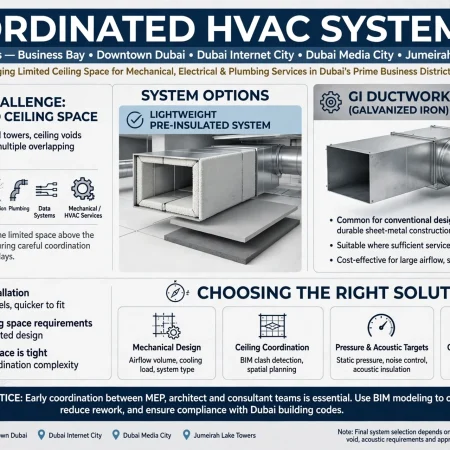
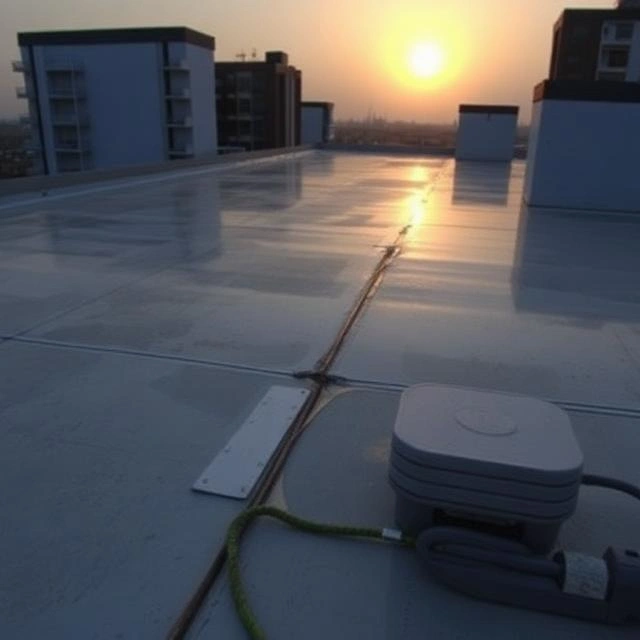
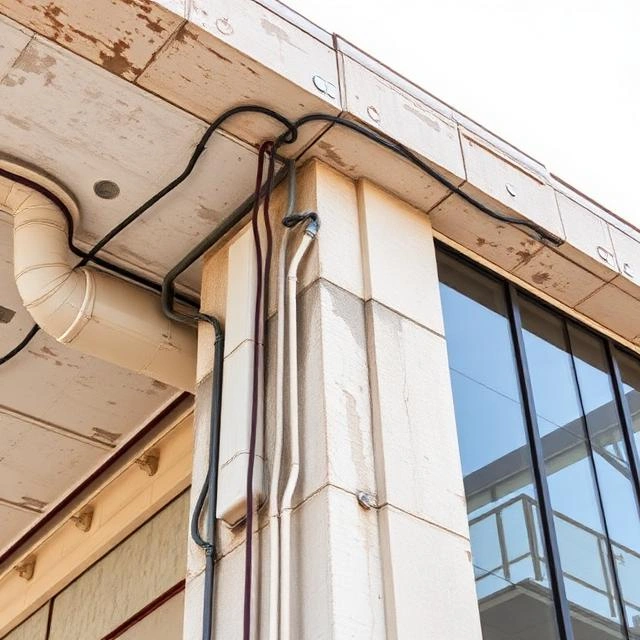
Many Dubai buildings have HVAC equipment installed on rooftops, including air handling units, chillers, ventilation equipment, cooling systems, and electrical components. While these systems are essential for building operation, improper installation or maintenance around rooftop equipment can create additional waterproofing risks.
Mechanical equipment requires pipes, supports, cables, and access points that penetrate the waterproofing layer. If these areas are not properly sealed, water can enter through gaps around equipment bases, pipe connections, and mounting structures.
Common rooftop equipment leakage causes include:
- Damaged waterproofing around HVAC supports
- Poor sealing around pipes
- Loose flashing materials
- Condensation drainage problems
- Incorrect equipment installation
Regular coordination between HVAC maintenance teams and waterproofing specialists is important to protect rooftop areas. When equipment is repaired or replaced, waterproofing details around the installation area should always be checked to prevent future leakage.
This is particularly important for commercial properties in Business Bay, Dubai International Financial Centre (DIFC), Dubai Silicon Oasis, and Dubai Investment Park where rooftop mechanical systems operate continuously.
Balcony, Terrace, and Roof Garden Waterproofing Problems
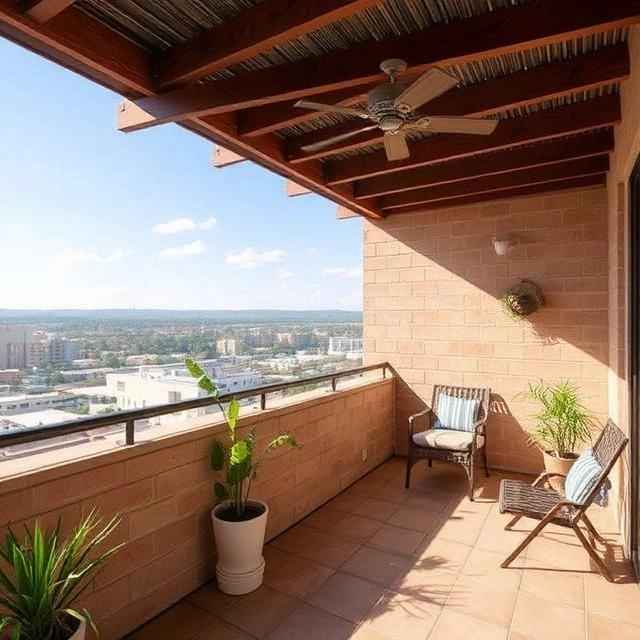
Outdoor areas such as balconies, terraces, roof gardens, and outdoor living spaces are highly exposed to environmental conditions. These areas require specialised waterproofing because they experience direct sunlight, temperature changes, water usage, and constant exposure to moisture.
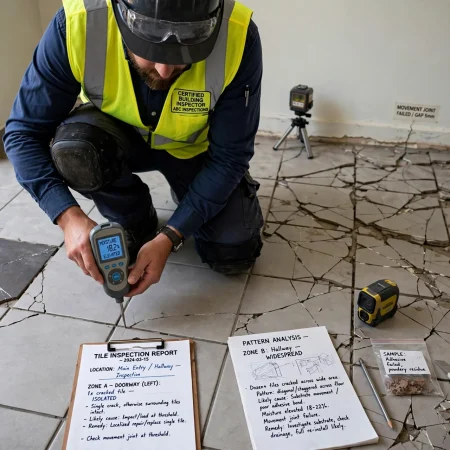
Many balcony and terrace leakage problems occur due to damaged waterproof layers beneath tiles. Although the surface tiles may appear intact, water can travel through grout lines, cracks, and joints before reaching the underlying concrete structure.
Common balcony and terrace leakage issues include:
- Cracked tile joints
- Failed grout sealing
- Damaged waterproof membrane
- Water penetration below tiles
- Poor drainage slope
- Leakage into lower floors
Proper waterproofing involves inspecting the substrate, repairing cracks, applying suitable waterproofing systems, and ensuring correct drainage before installing finishing materials.
Luxury residential communities such as Palm Jumeirah, Dubai Hills Estate, Emirates Hills, and Arabian Ranches often feature large outdoor areas that require professional waterproofing maintenance to protect property interiors and structural elements.
Poor Waterproofing Installation and Material Selection Issues
The quality of waterproofing depends heavily on correct installation methods and selecting materials suitable for Dubai’s climate. Even high-quality waterproofing products can fail if surface preparation, application thickness, curing time, or detailing around joints is incorrect.
Common installation mistakes include:
- Applying waterproofing on unprepared surfaces
- Incorrect membrane overlap
- Insufficient coating thickness
- Poor sealing around penetrations
- Ignoring expansion joints
- Using unsuitable materials for outdoor conditions
Professional waterproofing contractors assess the building structure, environmental exposure, and usage requirements before selecting the appropriate waterproofing system.
For example, a concrete roof slab may require a different solution compared with a swimming pool, basement, balcony, or industrial facility. Choosing the correct waterproofing method improves durability and reduces future maintenance requirements.
How Professional Roof Leakage Inspection Works
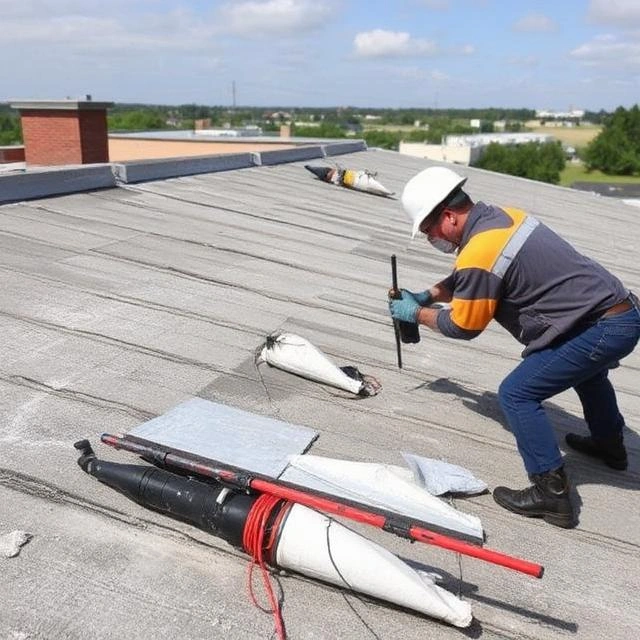
Finding the exact source of roof leakage requires experience and proper inspection techniques. Water does not always appear directly below the original entry point because it can travel through concrete layers, insulation, and structural pathways before becoming visible.
Professional roof inspection usually includes:
Visual Assessment
Technicians inspect roof surfaces, membranes, joints, drainage points, cracks, and visible signs of moisture damage.
Moisture Detection
Advanced tools may be used to identify hidden moisture areas beneath waterproof layers.
Structural Evaluation
The condition of concrete surfaces, expansion joints, drainage systems, and waterproofing materials is assessed.
Leakage Source Identification
The inspection determines whether the issue is caused by cracks, membrane failure, drainage problems, or installation defects.
Repair Recommendation
Based on findings, professionals recommend suitable solutions such as membrane repair, waterproof coating, crack treatment, drainage improvement, or complete waterproofing replacement.
Accurate diagnosis prevents unnecessary repairs and ensures the selected solution addresses the actual cause of leakage.
Preventive Roof Maintenance to Avoid Future Leakage
Preventive maintenance is one of the most effective ways to reduce roof leakage problems in Dubai buildings. Many expensive waterproofing repairs could be avoided through regular inspections and early detection of minor issues.
A professional roof maintenance programme typically includes:
- Checking waterproof membrane condition
- Inspecting roof cracks and joints
- Cleaning drainage outlets
- Removing accumulated debris
- Checking sealants around penetrations
- Inspecting rooftop equipment areas
- Testing drainage performance
- Monitoring moisture signs
Regular inspections allow property owners to identify problems before they affect internal areas. Small cracks, damaged sealants, or blocked drains can usually be repaired quickly compared with major structural waterproofing failures.
For villas, apartment buildings, and commercial properties across Dubai, preventive maintenance protects the building envelope and reduces long-term repair expenses. This is especially important in areas such as Dubai Marina, JVC, Mirdif, Al Barsha, and Dubai Silicon Oasis, where different building designs create different waterproofing requirements.
Impact of Roof Leakage on Building Structure and Property Value
Ignoring roof leakage can create serious consequences beyond visible water stains. Continuous moisture exposure affects building materials, reduces structural durability, and can negatively impact property value.
Some long-term effects of untreated roof leakage include:
- Concrete deterioration
- Reinforcement steel corrosion
- Ceiling and wall damage
- Paint failure
- Mould growth
- Reduced indoor air quality
- Electrical risks
- Increased repair costs
When water enters reinforced concrete structures, it can accelerate corrosion of steel reinforcement. This weakens the concrete system and may require extensive structural repair in the future.
For commercial buildings, leakage problems can also affect business operations. Water damage in offices, hotels, retail spaces, and industrial facilities can disrupt daily activities and create additional maintenance costs.
Professional waterproofing protects the building structure while maintaining a safe and comfortable environment for residents, employees, and visitors.
Roof Leakage Repair Process Followed by Professionals
A reliable roof leakage repair process involves more than applying a waterproof coating over the affected area. Professional contractors follow a systematic approach to ensure the repair provides long-term protection.
Step 1: Detailed Roof Inspection
The first step involves identifying leakage sources, checking waterproofing conditions, and assessing structural areas.
Step 2: Surface Preparation
Before repair work begins, the roof surface is cleaned to remove dust, loose materials, damaged coatings, and contaminants that may affect adhesion.
Step 3: Crack and Joint Repair
Visible cracks, damaged expansion joints, and weak areas are repaired using suitable materials designed for structural movement.
Step 4: Waterproofing Application
The selected waterproofing system is applied according to manufacturer specifications, ensuring correct thickness and complete coverage.
Step 5: Quality Testing
After completion, professionals inspect the repaired areas and verify waterproofing performance to ensure protection against future water penetration.
This structured process provides better results compared with temporary solutions that only hide leakage symptoms.
Choosing the Right Waterproofing Contractor in Dubai
Selecting an experienced waterproofing contractor is essential because poor workmanship can lead to repeated leakage problems and additional expenses. A professional company should have experience with different building types, waterproofing materials, and Dubai-specific environmental challenges.
Important factors to consider include:
- Experience with Dubai buildings
- Knowledge of waterproofing systems
- Skilled technicians
- Quality materials
- Proper inspection methods
- Detailed repair reports
- Long-term maintenance support
A qualified contractor understands how Dubai’s climate affects concrete structures, membranes, drainage systems, and roof surfaces. They can recommend solutions based on actual building conditions rather than applying standard treatments.
Professional waterproofing services help protect residential villas, commercial buildings, warehouses, and industrial facilities from moisture damage while improving the lifespan of the property.
Roof Waterproofing Services for Different Dubai Areas
Buildings across Dubai have different waterproofing requirements depending on location, design, and environmental exposure.
Dubai Hills Estate:
Modern villas and residential properties require reliable waterproofing for roofs, terraces, balconies, and outdoor areas exposed to sunlight and temperature changes.
Business Bay and Downtown Dubai:
High-rise buildings require specialised waterproofing solutions for rooftops, mechanical areas, expansion joints, and structural surfaces.
Dubai Marina and Palm Jumeirah:
Coastal humidity makes moisture protection important for luxury apartments, terraces, and outdoor structures.
Jumeirah and Arabian Ranches:
Large villas often require roof slab protection, terrace waterproofing, and regular inspection due to extensive outdoor areas.
Dubai South, Jebel Ali, and DIP:
Industrial and commercial facilities require durable waterproofing systems capable of protecting large roof areas and operational spaces.
Localised waterproofing expertise ensures solutions match the building type and environmental conditions of each area.
Common Mistakes Property Owners Make During Roof Leakage Repairs
Many roof leakage problems become worse because repairs are performed without identifying the actual source of water penetration. Applying a simple coating over a damaged surface may temporarily reduce leakage, but the problem often returns because the underlying issue remains unresolved.
Common mistakes include:
Ignoring Small Cracks
Small cracks may appear insignificant, but they can expand due to thermal movement and allow moisture to enter deeper layers of the structure.
Using Low-Quality Waterproofing Materials
Cheap materials may reduce immediate costs but often have shorter service life and poor resistance against Dubai’s climate conditions.
Repairing Only Visible Water Damage
Visible stains are not always the source of leakage. Water can travel through concrete, insulation, and structural pathways before appearing indoors.
Neglecting Drainage Problems
Even a high-quality waterproofing system can fail if drainage issues are ignored. Standing water creates continuous pressure on waterproof layers.
Delaying Professional Inspection
Waiting until leakage becomes severe often results in higher repair costs, interior damage, and longer restoration periods.
Professional diagnosis ensures repairs address the real cause instead of providing temporary solutions.
How Waterproofing Supports Building Energy Efficiency
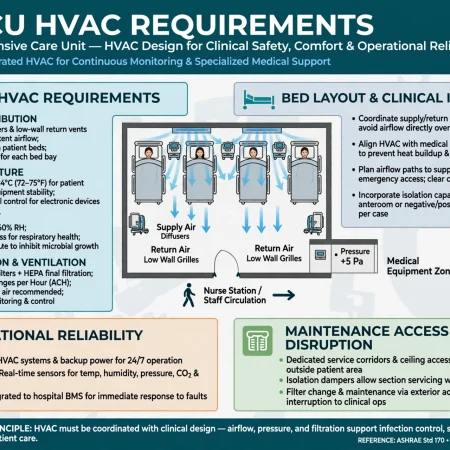
Although waterproofing is mainly associated with moisture protection, it also contributes to overall building efficiency. A damaged roof can affect insulation performance, increase indoor humidity, and place additional pressure on HVAC systems.
When moisture enters insulation layers, thermal performance decreases. This means air conditioning systems may need to operate longer to maintain comfortable indoor temperatures. Proper waterproofing protects insulation materials and helps buildings maintain better temperature control.
A well-maintained roof waterproofing system supports:
- Improved thermal insulation performance
- Reduced HVAC workload
- Better indoor comfort
- Lower energy consumption
- Healthier indoor environments
This connection between waterproofing and HVAC efficiency is especially important in Dubai, where cooling systems operate for most of the year.
Commercial buildings with large rooftop areas, such as offices in Business Bay, hotels in Downtown Dubai, and industrial facilities in Jebel Ali, benefit significantly from integrated waterproofing and building maintenance strategies.
Waterproofing Solutions for Villas, Apartments and Commercial Buildings
Different properties require different waterproofing approaches based on their structure, usage, and exposure conditions.
Villa Waterproofing Solutions
Dubai villas commonly experience leakage issues around roof slabs, balconies, terraces, swimming pools, and outdoor areas. Waterproofing solutions focus on protecting concrete surfaces, preventing water penetration, and maintaining outdoor living spaces.
Apartment Building Waterproofing
Apartment buildings require attention to shared roof areas, expansion joints, mechanical rooms, and common terraces. Proper waterproofing prevents leakage from affecting multiple units and reduces maintenance complaints.
Commercial Building Waterproofing
Commercial properties require durable systems designed for large roof areas, rooftop equipment zones, and continuous building operations. Waterproofing must support long-term reliability while minimising disruption.
Industrial Waterproofing
Factories, warehouses, and logistics facilities require heavy-duty waterproofing systems capable of protecting large concrete surfaces and operational areas.
Professional waterproofing contractors evaluate each property individually and recommend solutions based on structural requirements.
Future Trends in Waterproofing Technology in Dubai
The waterproofing industry continues to improve with advanced materials and smarter application methods. Modern waterproofing systems focus on durability, sustainability, and easier maintenance.
Some emerging waterproofing technologies include:
- Advanced polyurethane coatings
- Self-healing waterproof membranes
- Environmentally friendly waterproofing materials
- Smart moisture monitoring systems
- Longer-lasting protective coatings
These technologies help buildings achieve better protection while reducing maintenance frequency. As Dubai continues developing advanced residential communities, commercial districts, and sustainable buildings, waterproofing systems are becoming an increasingly important part of modern construction.
Property owners who invest in quality waterproofing solutions benefit from improved durability, reduced repair requirements, and stronger protection against future environmental challenges.
Final Thoughts on Roof Leakage Prevention in Dubai
Roof leakage is a common challenge for Dubai buildings, but with proper inspection, quality materials, and professional maintenance, these problems can be effectively prevented. From cracked concrete surfaces and damaged membranes to drainage issues and expansion joint failures, every leakage problem requires accurate diagnosis and a suitable repair approach.
A reliable waterproofing system protects the building envelope, prevents structural damage, improves energy efficiency, and preserves property value. Whether managing a villa in Dubai Hills Estate, an apartment building in Dubai Marina, or a commercial property in Business Bay, professional waterproofing solutions provide long-term protection.
Regular inspections, preventive maintenance, and expert repairs ensure roofs continue performing effectively despite Dubai’s demanding climate conditions. Investing in professional waterproofing is not only about fixing leaks; it is about protecting the future performance and durability of the entire building.