Dubai’s extreme climate presents unique challenges for residential, commercial, and industrial buildings. With summer temperatures regularly exceeding 45°C, occasional heavy rainfall, coastal humidity, and constant exposure to UV rays, buildings require effective waterproofing systems to protect their structural integrity. Without proper waterproofing, roofs, basements, terraces, bathrooms, and exterior walls become vulnerable to water infiltration, leading to cracks, dampness, mould growth, corrosion, and costly structural repairs.
Choosing the right waterproofing solution is not only about preventing leaks but also about extending the lifespan of a building and reducing long-term maintenance expenses. Whether you own a villa in Arabian Ranches, manage a commercial property in Business Bay, or oversee an industrial facility in Jebel Ali, investing in professional waterproofing is essential for protecting your property from Dubai’s harsh environmental conditions.
Why Waterproofing Is Essential in Dubai
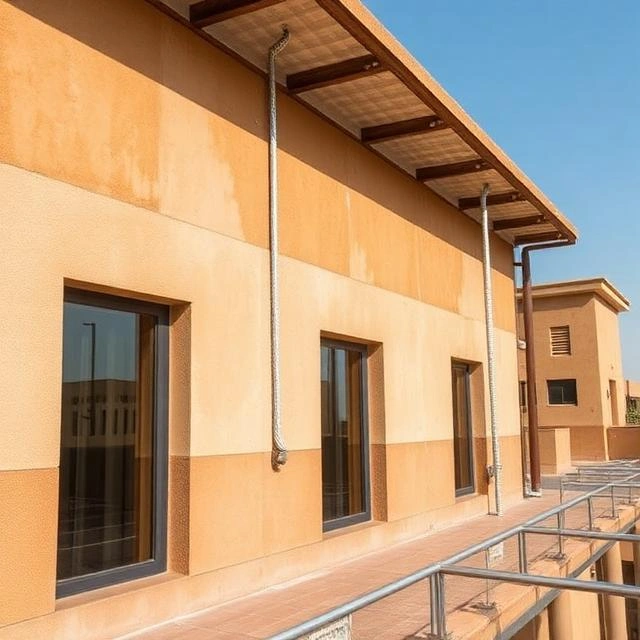
Many people assume waterproofing is only necessary during the rainy season. However, Dubai’s climate creates year-round challenges that affect building structures. Intense sunlight causes concrete to expand during the day and contract at night, eventually creating hairline cracks. These small openings allow moisture to penetrate the building envelope, weakening concrete and corroding steel reinforcement over time.
Coastal areas such as Dubai Marina, Palm Jumeirah, and Jumeirah also experience higher humidity and salt exposure, accelerating material deterioration if waterproofing systems are inadequate. Proper waterproofing protects buildings from these environmental factors while improving durability and indoor comfort.
Roof Waterproofing for Maximum Protection
Roofs receive the highest level of exposure to sunlight, heat, and occasional rainfall, making them one of the most critical areas to waterproof. Flat roofs, commonly found throughout Dubai, can develop ponding water after storms, increasing the risk of leaks and membrane damage.
Modern roof waterproofing systems include polyurethane coatings, acrylic waterproof coatings, bituminous membranes, and liquid-applied waterproofing solutions. These materials create seamless protective barriers that prevent water penetration while resisting UV radiation and thermal expansion.
Regular roof inspections and timely maintenance significantly increase the lifespan of waterproofing systems and help prevent expensive repairs.
Basement Waterproofing Prevents Structural Damage
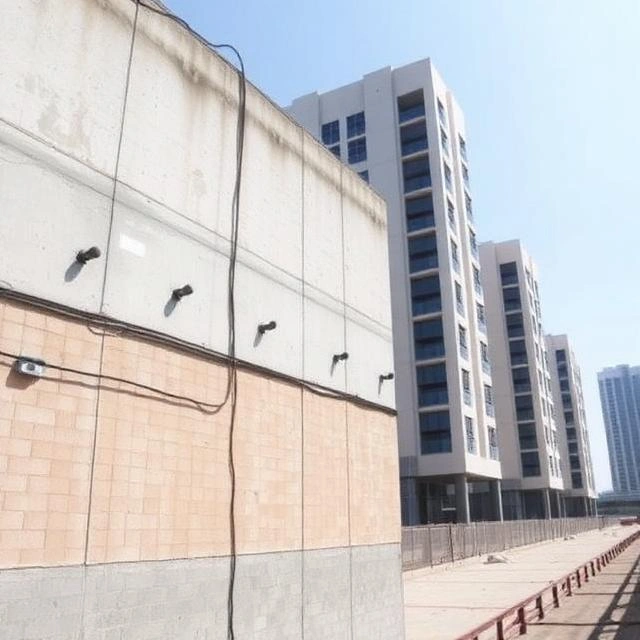
Basements are particularly vulnerable to groundwater pressure and moisture infiltration. Without proper waterproofing, water can seep through concrete walls and floors, causing dampness, mould growth, peeling paint, and structural deterioration.
Professional basement waterproofing involves applying waterproof membranes, crystalline coatings, drainage systems, and protective barriers that stop moisture before it enters the structure. Property owners looking for reliable long-term protection should invest in professional Waterproofing Contractor for Buildings services to ensure their basements remain dry and structurally sound.
Terrace and Balcony Waterproofing
Terraces and balconies are constantly exposed to direct sunlight, rainfall, and temperature fluctuations. Over time, damaged grout, cracked tiles, and deteriorated waterproof membranes allow water to penetrate beneath the surface.
Modern waterproofing systems use flexible polyurethane coatings, cementitious waterproofing compounds, and waterproof membranes that maintain elasticity despite constant thermal movement. Proper terrace waterproofing prevents leaks into lower floors while extending the life of floor finishes and structural concrete.
Bathroom and Wet Area Waterproofing
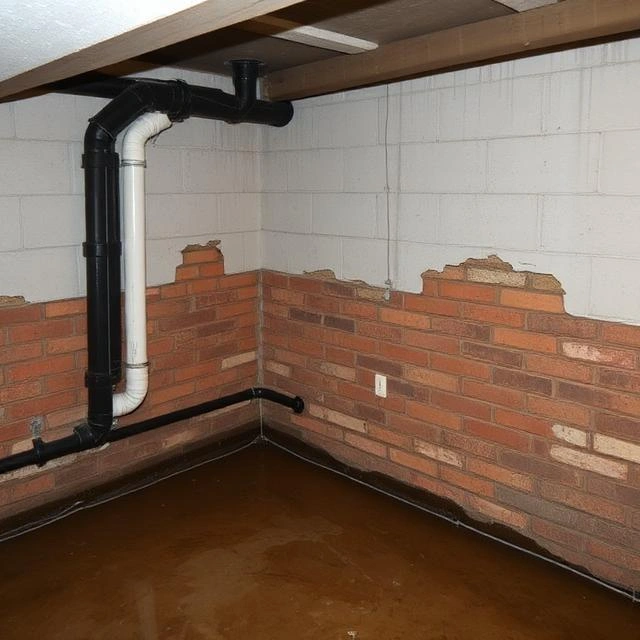
Bathrooms, kitchens, and laundry rooms experience continuous moisture exposure. Even small leaks beneath floor tiles can cause significant structural damage if left untreated.
Professional bathroom waterproofing includes waterproof membranes beneath tiles, flexible joint sealants, waterproof cement coatings, and proper drainage design. These systems prevent hidden leaks that may otherwise damage ceilings, walls, and adjacent rooms.
Quality waterproofing during construction or renovation helps eliminate costly repairs in the future.
Polyurethane Waterproofing Systems
Polyurethane (PU) waterproofing has become one of the most popular solutions for Dubai buildings because it provides excellent flexibility and weather resistance. PU coatings form seamless membranes that adapt to structural movement without cracking.
These systems are widely used for roofs, balconies, podium decks, parking areas, and exposed concrete surfaces. Their outstanding UV resistance makes them particularly suitable for Dubai’s hot climate, where prolonged sunlight rapidly degrades lower-quality materials.
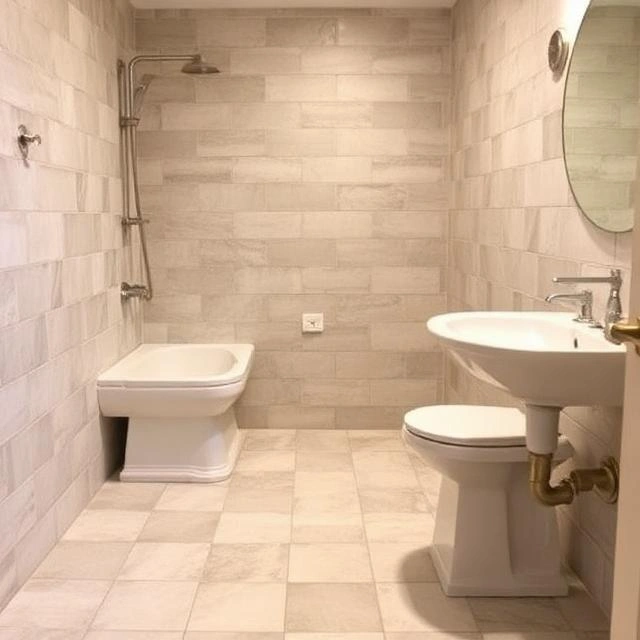
Bituminous Membrane Waterproofing
Bituminous waterproofing remains a trusted solution for foundations, retaining walls, roofs, and below-ground structures. These membranes create highly durable barriers that effectively prevent water penetration under demanding conditions.
Torch-applied and self-adhesive bituminous membranes are commonly used in residential villas, commercial buildings, warehouses, and industrial developments throughout Dubai due to their excellent waterproofing performance and long service life.
Cementitious Waterproofing for Concrete Structures
Cementitious waterproofing is widely used for water tanks, swimming pools, lift pits, bathrooms, and concrete surfaces. It bonds directly to concrete, creating a protective layer that resists moisture penetration while remaining easy to apply.
Because of its compatibility with concrete construction, cementitious waterproofing is commonly specified for infrastructure projects, residential developments, and commercial buildings across the UAE.
Waterproofing During Building Renovations
Many older buildings in Dubai experience waterproofing failures due to ageing materials or poor installation. Renovation projects provide the ideal opportunity to upgrade waterproofing systems before more serious structural issues develop.
During refurbishment, professionals inspect roofs, terraces, basements, expansion joints, balconies, wet areas, and external walls to identify hidden leaks and damaged membranes. Combining waterproofing with façade repairs and concrete restoration significantly improves building performance while increasing property value.
Professional Installation Makes the Difference
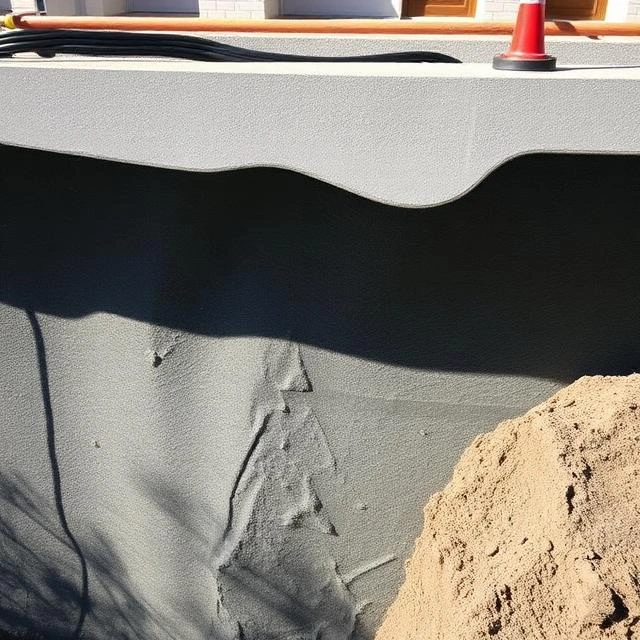
Even the highest-quality waterproofing materials cannot perform effectively if installed incorrectly. Surface preparation, crack repair, primer application, membrane thickness, curing time, and quality control all influence long-term performance.
Experienced waterproofing specialists evaluate each building individually before recommending the most suitable system based on structural design, environmental exposure, and intended use. Professional installation ensures waterproofing systems perform reliably for many years while minimising maintenance requirements.
Choosing the Right Waterproofing Solution
Every building has different waterproofing requirements depending on its location, construction method, and environmental exposure. Residential villas may require roof and bathroom waterproofing, while commercial buildings often need comprehensive solutions covering basements, podium decks, terraces, parking structures, and external walls.
Factors such as UV exposure, structural movement, water pressure, substrate condition, and project budget should all be considered when selecting a waterproofing system. Working with experienced professionals ensures the correct materials and application methods are used for long-term protection.
Protect Your Building with Reliable Waterproofing
Waterproofing is one of the most valuable investments for protecting buildings in Dubai’s challenging climate. A professionally installed waterproofing system prevents leaks, protects structural components, improves energy efficiency, reduces maintenance costs, and extends the lifespan of the entire property.
Whether you own a villa, apartment building, warehouse, retail outlet, hotel, healthcare facility, or commercial office, choosing the right waterproofing solution ensures your investment remains protected against heat, humidity, rainfall, and water damage for years to come.