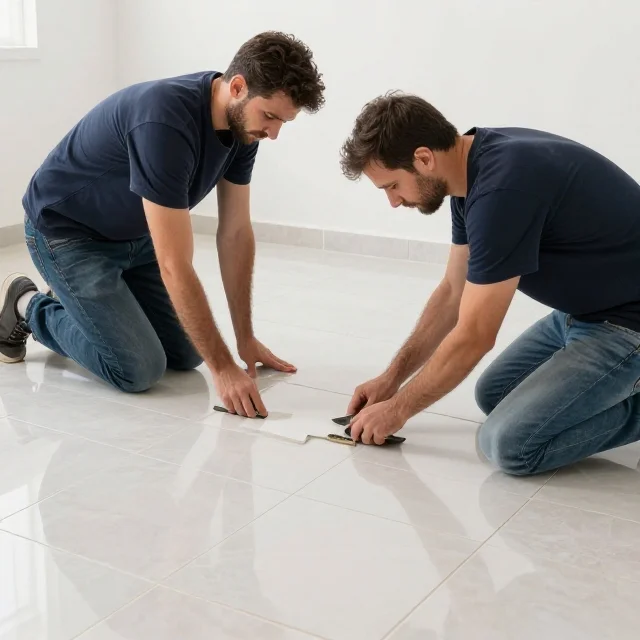
Tile-over-tile installation involves fixing a new layer of ceramic or porcelain tiles directly onto an existing tiled surface using a compatible bonding system. Instead of removing the original tiles and exposing the screed or concrete substrate, the installer prepares the old surface to receive the new finish.
This method can be suitable for selected interior floors and walls when the original installation is stable and the complete build-up can accommodate the additional thickness. However, the existing tiles become part of the new installation’s supporting surface, so their condition and the substrate beneath them remain important. The Tile Council of North America advises checking the entire substrate and following the recommendations of the relevant mortar and adhesive manufacturers. Source: TCNA.
Advantages of Installing New Tiles Over Old Tiles
Less Demolition and Construction Waste
One of the main advantages is reduced demolition. Removing ceramic or porcelain tiles can create considerable dust, noise and rubble, particularly in large villas, apartments and commercial properties. Installing over a suitable existing surface can reduce the amount of demolition waste and the work needed to prepare the exposed substrate.
This can be helpful when renovating an occupied home or updating a property before tenants move in. Nevertheless, some removal work may still be necessary around doorways, damaged sections, sanitary fixtures and floor transitions.
Potentially Shorter Renovation Time
A tile-over-tile project may reduce the time spent removing old tiles, disposing of debris and repairing the underlying screed. This can simplify renovation planning for homeowners and property managers who want to minimise disruption.
The overall timeline still depends on surface preparation, levelling, adhesive curing, grouting and the type of tile selected. Bathrooms and other wet areas may require additional waterproofing work. Therefore, tiling over existing tiles should not be treated as an instant renovation solution.
Less Disturbance to the Existing Substrate
Where the existing tiled floor is sound, avoiding widespread removal can reduce the risk of damaging the underlying screed or adjacent finishes during demolition. It may also preserve more of the existing surface.
However, covering an old floor is not a substitute for repairing structural movement, moisture problems or loose tiles. If the original installation is failing, removing it and correcting the underlying defect is usually the more dependable option.
When Is Tile-Over-Tile Installation a Good Idea?
Installing new tiles over existing ones may be appropriate when the original tiles are firmly bonded, the floor is sufficiently flat and the underlying structure is stable. There should be no widespread cracking, movement, moisture damage or loose areas that could compromise the new finish.
The additional height must also be acceptable. Doors should open freely, thresholds should remain safe, and the finished surface must align properly with adjoining rooms. In kitchens, bathroom renovations and utility areas, the installer must also consider cabinets, appliances, sanitary fixtures and drainage levels.
A professional assessment should establish whether the proposed adhesive and primer are suitable for the existing tile surface. Manufacturer guidance is particularly important because a smooth, glazed tile may not provide adequate adhesion without the correct preparation system. Source: ARDEX Australia.
When Should Existing Tiles Be Removed?
Tile-over-tile installation is not suitable for every renovation. If several existing tiles sound hollow when tapped, move under pressure or are visibly loose, the original bond may be failing. Installing a new layer over these areas can transfer the problem into the new installation.
Cracks also need careful assessment. A chipped tile may be a local defect, but recurring cracks across several tiles can indicate substrate movement or another underlying issue. Covering the surface without diagnosing the cause may lead to cracked grout, damaged tiles or debonding later.
Removal is also advisable when moisture is trapped beneath the existing finish, waterproofing has failed, the floor is significantly uneven or the additional height would interfere with doors and drainage. On suspended floors, the added dead load must be assessed where relevant. Natural stone, resin-coated surfaces and other specialised finishes may require different preparation or may not be suitable for this method.
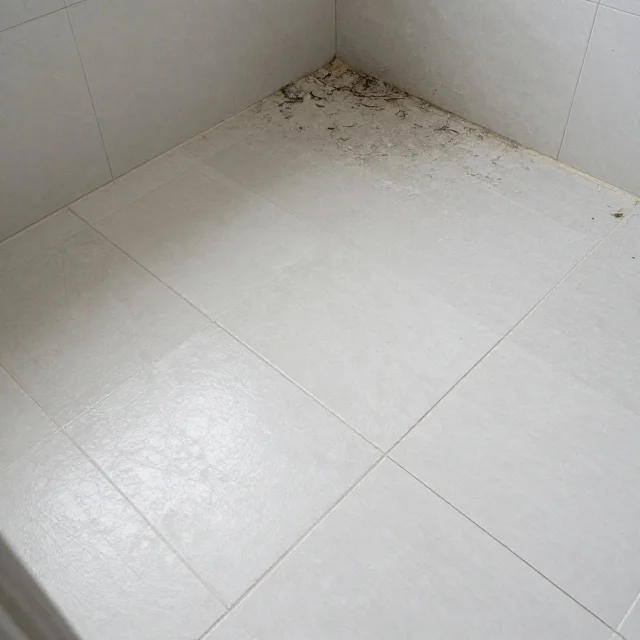
How to Prepare Existing Tiles for a New Installation
Inspect the Existing Tile Surface
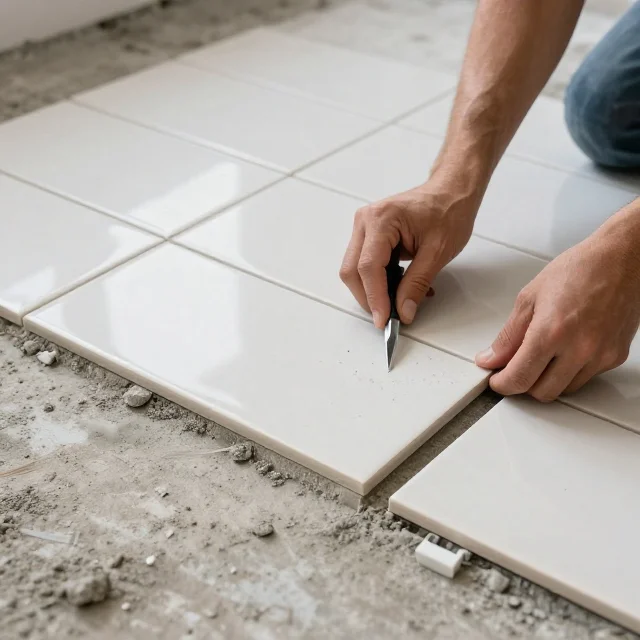
The installer should inspect the entire area for loose tiles, cracked grout, hollow-sounding sections, surface damage and signs of movement. Tapping tiles can help identify possible hollow areas, but it is only a preliminary check and does not prove that the complete installation is sound.
The inspection should also consider the underlying substrate, moisture conditions and previous repairs. Defective areas should be removed as needed so the exposed base can be repaired before new tiles are installed.
Clean and Degrease the Tiles
Old tiles often contain soap residue, grease, floor polish, cleaning-product deposits and other contaminants. These materials can interfere with the bond between the original surface and the new adhesive.
The installer should use a cleaning method compatible with the tiles and the selected installation system. After cleaning, the surface must be free of residues and prepared according to the primer and adhesive manufacturers’ instructions.
Improve Adhesion on Smooth Tiles
Glazed ceramic and polished porcelain tiles can have a dense surface that is difficult for conventional adhesive to grip. Depending on the chosen system, preparation may require mechanical abrasion, a specialised bonding primer or another manufacturer-approved method.
Any grinding or abrasion should be carried out with appropriate dust controls and protective equipment. The installer should not assume that every primer works on every surface or that ordinary tile adhesive is automatically suitable for tile-on-tile installation.
Check Flatness and Finished Height
The existing surface must be sufficiently flat for the new tile format and installation method. High spots, damaged areas and uneven transitions should be corrected using suitable materials before tiling begins.
The installer must calculate the combined thickness of the new tile and adhesive. This is especially important at entrance doors, stair nosings, balconies, bathroom thresholds and transitions between tiled rooms and other flooring types.
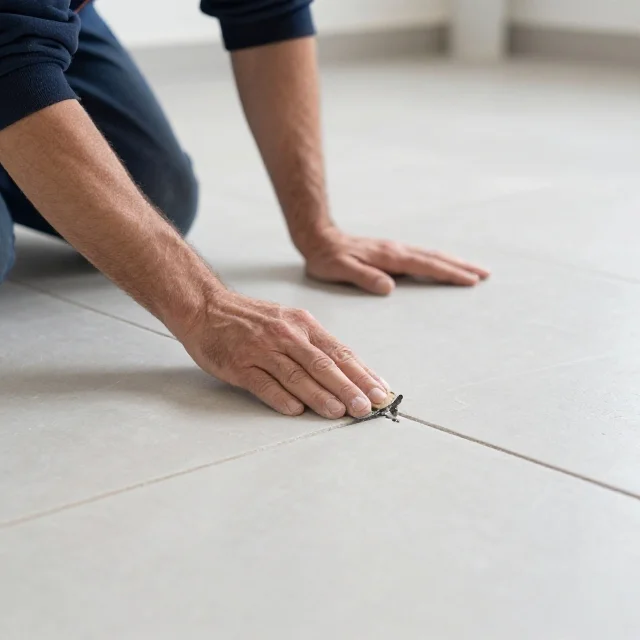
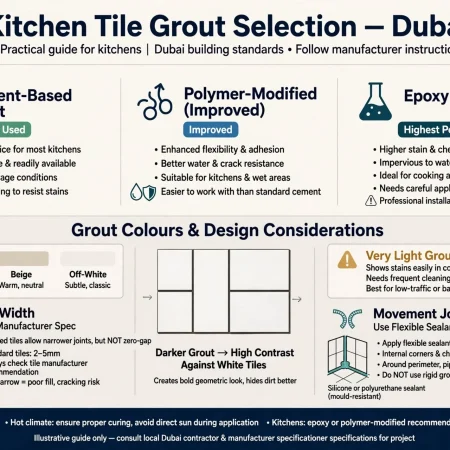
Choosing the Right Tile Adhesive and Grout
The bonding system is one of the most important factors in tile-over-tile installation. A standard adhesive intended for a porous cement-based surface may not be appropriate for dense, glazed tiles. A compatible tile-on-tile adhesive or high-performance polymer-modified adhesive may be required, depending on the application and manufacturer’s specifications.
The selection should consider the existing tile material, new tile type, tile dimensions, indoor or outdoor location, moisture exposure and expected movement. Large-format porcelain tiles, for example, may require a different installation approach from smaller ceramic tiles.
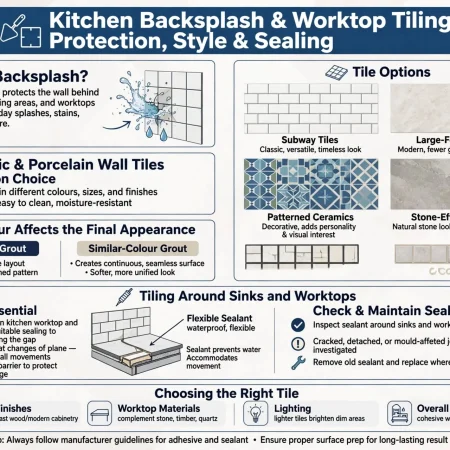
Grout and flexible sealant also serve different purposes. Grout fills tile joints, while an appropriate flexible sealant is generally used at selected changes of plane and movement joints. Existing structural and movement joints should not simply be bridged by the new tile layer; their treatment must follow the applicable installation system.
Is Tiling Over Existing Tiles Suitable for Bathrooms and Kitchens?
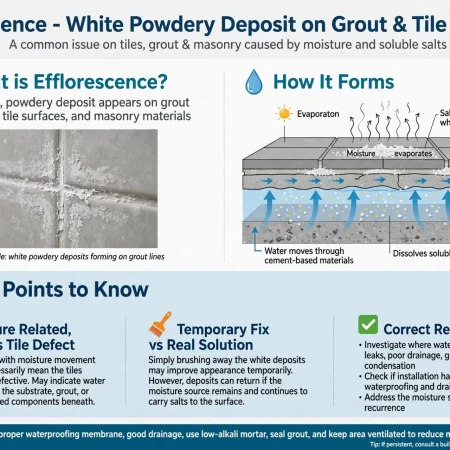
Bathrooms and kitchens can sometimes be retiled without removing the original tiles, but wet areas require additional care. The installer must establish whether the existing waterproofing system is sound and whether the new installation will preserve the intended drainage and water-management details.
In bathrooms, the extra height can affect shower trays, floor drains, toilet connections and the transition between the shower area and the rest of the floor. If the new surface changes the relationship between the floor and drain, water may no longer flow as intended.
In kitchens, grease removal and surface preparation are particularly important. Cabinet kickboards, built-in appliances and door clearances should be checked before the new floor height is approved. Where the existing waterproofing is damaged or cannot be verified, removing the tiles and rebuilding the wet-area system may be the safer choice.
Tile Installation Considerations for Dubai Properties
Dubai homes include modern apartments, townhouses and villas with different floor constructions and renovation constraints. Properties in Dubai Hills Estate, Arabian Ranches, Jumeirah, Dubai Marina, The Springs and Palm Jumeirah may have different access arrangements, building-management rules and material handling requirements.
For occupied apartments, reducing demolition can be useful where noise, dust and waste removal are restricted. However, residents should confirm permitted renovation hours, contractor access procedures and waste-disposal requirements with the building or community management before work begins.
In villas, installers should pay particular attention to transitions between indoor rooms, external terraces and garden-facing doors. Outdoor areas are exposed to different temperature and moisture conditions, so a product system suitable for an indoor floor should not automatically be used outside.
For both villas and apartments, the final specification should account for the existing substrate, the proposed tile, adhesive compatibility, moisture exposure and the manufacturer’s installation instructions. Local project requirements should also be confirmed where the work involves waterproofing, structural changes or regulated building alterations.
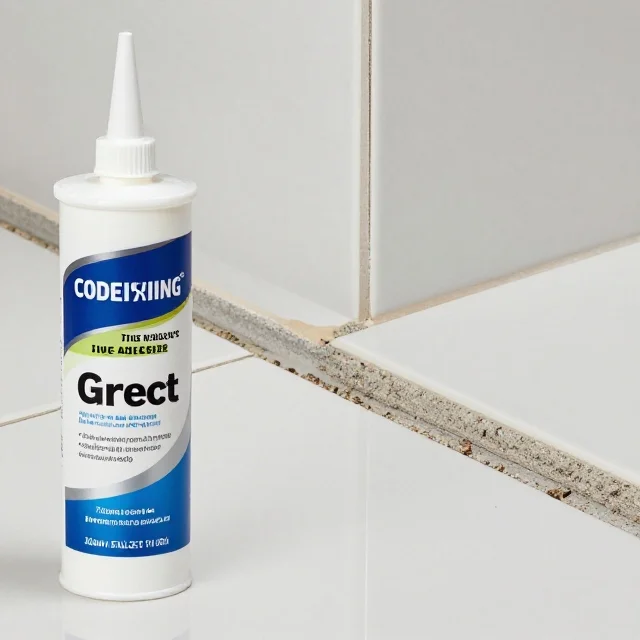
Cost Comparison: Tiling Over Tiles vs Removing Old Tiles
The cost of tiling over existing tiles depends on the size of the area, condition of the original floor, selected tiles, preparation requirements and labour rates. Installing over a sound surface may reduce demolition and waste-removal expenses, but it does not eliminate preparation, adhesive, grout or finishing costs.
Removing the original tiles may initially cost more because the contractor must demolish the finish, dispose of rubble and repair the substrate. However, removal can prevent further expense when the existing installation is loose, uneven or affected by moisture.
A useful quotation should separate tile supply, surface preparation, adhesive and grout, installation labour, waste disposal, skirting, door adjustments and any required waterproofing work. Comparing only the price per square metre can be misleading if one quotation excludes important preparation or finishing tasks.
Common Mistakes to Avoid
One frequent mistake is installing new tiles without checking whether the existing tiles are firmly bonded. A clean-looking surface can still contain loose or hollow sections, so inspection should take place before materials are ordered.
Another mistake is applying new adhesive directly to polished tiles without confirming that the bonding system is suitable. Poor surface preparation can cause the new tiles to detach even when the tiles themselves are high quality.
Ignoring finished floor height can create problems with doors, thresholds, cabinets and drainage. Similarly, covering a failed waterproofing system can leave the original moisture problem unresolved.
Finally, choosing tiles based only on appearance can result in a finish that does not suit the room’s exposure or use. Tile selection should consider slip resistance, cleaning requirements, wear, water exposure and the manufacturer’s suitability guidance.
How to Choose a Professional Tile Installation Service
A qualified tiling contractor should inspect the existing surface before confirming that tile-over-tile installation is appropriate. Ask how loose tiles, cracks, moisture, surface flatness and floor-height transitions will be assessed and corrected.
The contractor should explain the proposed primer, adhesive and grout system and confirm that the products are approved for the specific substrate and tile type. For bathrooms and other wet areas, ask how waterproofing, drains, corners and changes of plane will be addressed.
Before work starts, request a clear written quotation covering preparation, installation, materials, waste removal and finishing details. A professional installer should also explain the curing period and when the floor can safely be walked on or returned to normal use.
For renovation projects in Dubai, homeowners can explore a Tile Installation service when planning tile replacement or interior finishing work. The final method should be chosen after a site inspection rather than assuming that every existing tiled surface is suitable for a new layer.
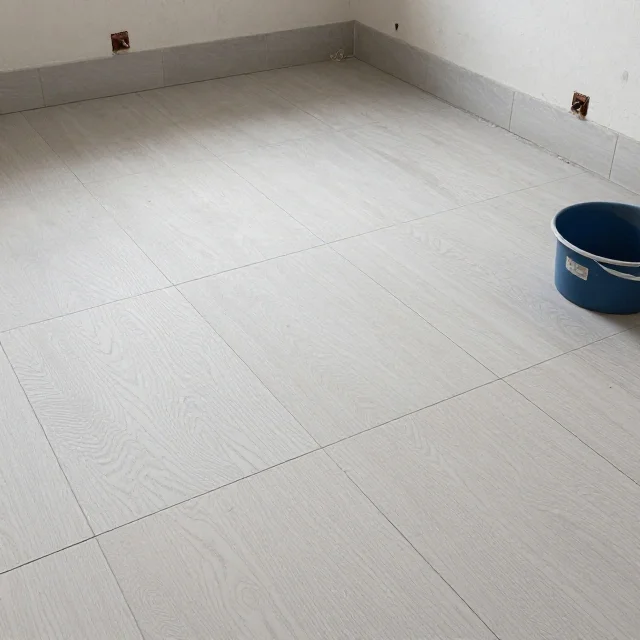
Conclusion
Installing new tiles over existing tiles can be a sensible renovation option when the original surface is stable, clean, sufficiently flat and capable of supporting the proposed installation. It may reduce demolition, construction waste and disruption while giving a room a refreshed appearance.
However, the method is not suitable for every floor or wall. Loose tiles, structural movement, moisture problems, failed waterproofing and excessive finished height can make removal the better option. Correct preparation, compatible adhesive, suitable grout and attention to movement joints are essential to long-term performance.
For homeowners in Dubai, the best decision comes from assessing the existing installation, checking all height and moisture constraints and comparing the full cost of both methods. A professional inspection can help determine whether tile-over-tile installation is appropriate or whether removing the old finish will provide a more reliable result.
Frequently Asked Questions
Can you install new tiles directly over old tiles?
Yes, provided the existing tiles are firmly bonded, the substrate is stable, the surface is properly prepared and the additional thickness is acceptable. The adhesive manufacturer must confirm that the chosen system is suitable for the existing tile surface.
Does tiling over existing tiles last as long as removing them?
It can provide a durable finish when the original installation is sound and the correct preparation and bonding system are used. If the old tiles are loose or the substrate is failing, the new installation may also fail. The condition of the underlying system matters more than simply adding another layer.
Can you install porcelain tiles over ceramic tiles?
In many cases, yes. However, the original ceramic tiles must be stable, and the adhesive and preparation system must be compatible with both surfaces. Large-format or heavy tiles may require additional checks before installation.
Is tile-over-tile installation suitable for bathroom floors?
It can be suitable in some bathrooms, but the installer must assess waterproofing, drainage, floor levels and fixture connections. If the existing waterproofing has failed or the new floor would interfere with the drain, removal and reconstruction may be necessary.
Will installing tiles over tiles increase floor height?
Yes. The new tile and adhesive add thickness to the existing floor. Door clearances, thresholds, skirting, appliances, stair levels and drainage should be checked before installation.
Is tile-over-tile installation cheaper?
It may cost less when the original surface is sound because widespread demolition and waste disposal can be avoided. If extensive repairs, levelling or adjustments are needed, the savings may be smaller. Compare complete quotations for both options before deciding.