Porcelain and ceramic tiles are popular flooring and wall finishes in Dubai homes, apartments, hotels, offices, retail shops and commercial buildings. They are durable, available in many colours and textures, and relatively easy to maintain. However, using the wrong cleaning products or tools can leave streaks, dull the finish, damage grout or gradually affect the appearance of the tiled surface.
The best way to clean porcelain and ceramic tiles is to remove loose dust first, use a suitable pH-neutral cleaner, mop with clean water and dry the surface when necessary. The correct method also depends on whether the tiles are glazed, unglazed, polished, textured or installed in wet areas.
Dubai’s environment creates additional cleaning challenges. Fine desert dust, sand, construction residue, hard-water deposits and everyday foot traffic can make tiled surfaces look dull even when they are structurally sound. Understanding how different tiles respond to cleaning helps homeowners and property managers maintain their appearance without unnecessary repairs.
Understanding the Difference Between Porcelain and Ceramic Tiles
Porcelain and ceramic tiles are both manufactured from clay-based materials, but their composition and production methods differ. Porcelain generally uses more refined materials and is fired at higher temperatures, producing a dense tile with low water absorption. Ceramic tiles vary more widely in density, porosity and surface finish.
These differences influence how each tile should be maintained. Many glazed porcelain and ceramic tiles have a relatively resistant surface that can be cleaned with a compatible household tile cleaner. Unglazed tiles, textured surfaces and some decorative finishes may require more careful product selection because dirt can collect in surface irregularities.
Before cleaning, check the manufacturer’s maintenance instructions if available. A product suitable for glazed ceramic tiles may not be appropriate for every polished, textured or specialist finish.
Start by Removing Dust, Sand and Loose Dirt
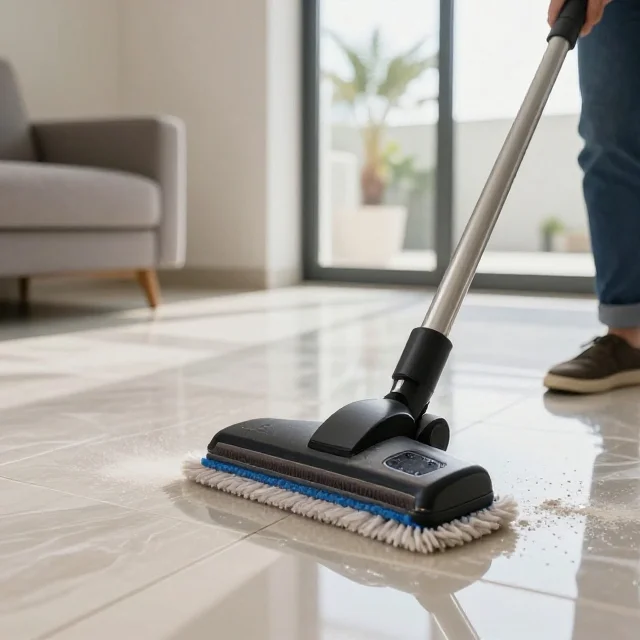
Dry cleaning should always come before wet cleaning. Fine dust and sand are common in Dubai and other UAE locations, where outdoor particles can enter through balconies, entrances, windows and frequently opened doors. When these particles are dragged across a floor with a wet mop, they may create streaks or contribute to surface scratching.
Use a soft-bristle broom, microfibre dust mop or vacuum cleaner with a suitable hard-floor attachment. Pay particular attention to entrance areas, corners, the edges of skirting boards and spaces beneath furniture. In busy villas, offices and retail premises, cleaning these areas regularly can reduce the amount of abrasive dirt carried across the floor.
Avoid vacuum attachments with exposed metal edges or damaged wheels. Although porcelain is generally hard-wearing, the wrong equipment can scratch the tile finish or damage grout lines.
For homes in areas such as Dubai Marina, Jumeirah, Arabian Ranches and Dubai Hills Estate, the cleaning frequency should reflect the property’s foot traffic, outdoor access and exposure to dust rather than follow a rigid schedule.
Use a pH-Neutral Cleaner for Routine Tile Cleaning
A pH-neutral floor cleaner is a sensible starting point for routine maintenance because it is generally less aggressive than strongly acidic or alkaline products. Choose a cleaner labelled as suitable for porcelain and ceramic tiles, and follow its dilution instructions. Using more detergent than recommended does not necessarily improve cleaning; excess product can leave a sticky film that attracts dirt.
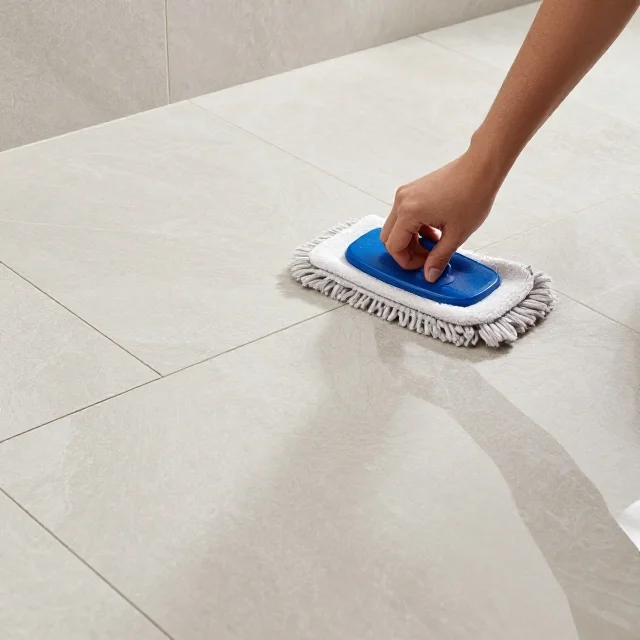
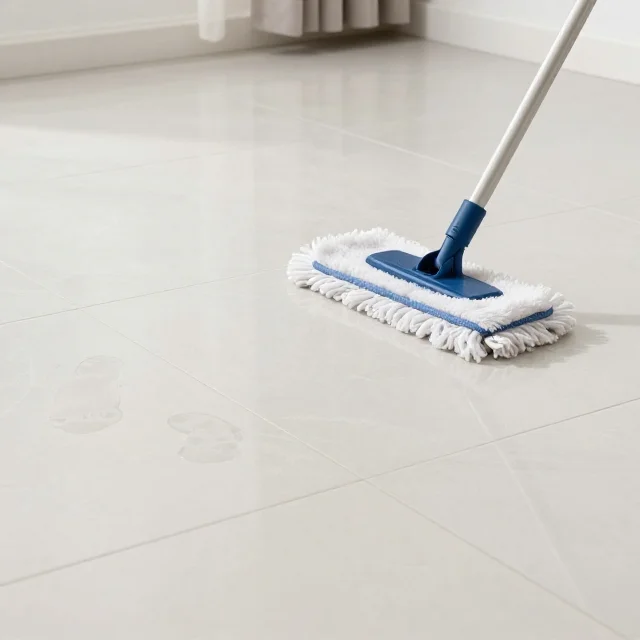
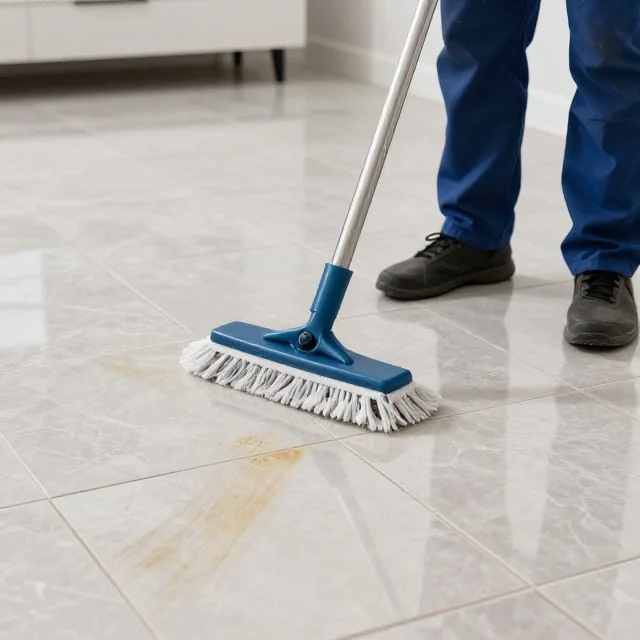
For everyday maintenance, mix the cleaner with water according to the product label. Apply it with a well-wrung microfibre mop, working in manageable sections. Change the cleaning solution when it becomes visibly dirty, especially in entrances, kitchens and other high-traffic spaces.
After cleaning, rinse with clean water if the product instructions require it or if residue remains. Use a clean mop rather than spreading dirty water across the entire floor. On polished tiles, a final dry microfibre pass can help reduce visible streaks.
Always test a new cleaning product on a small, inconspicuous area first. This is particularly important for decorative tiles, coloured grout, specialty coatings and surfaces with a polished finish.
How to Clean Porcelain Floor Tiles Without Leaving Streaks
Polished porcelain tiles can show footprints, water marks and detergent residue more clearly than some matt finishes. Streaking is often caused by dirty mop water, excess cleaning solution, hard-water minerals or allowing water to dry unevenly.
Begin by vacuuming or dust-mopping the floor. Use a clean microfibre mop and a correctly diluted tile cleaner. Avoid repeatedly passing a heavily soaked mop over the same area, because excessive water can spread residue into the grout joints and leave visible drying marks.
For a large living room or open-plan floor, clean one section at a time. Rinse the mop frequently and replace the solution when it becomes cloudy. If the floor still looks hazy after cleaning, try a clean-water rinse to remove detergent residue before applying more chemicals.
Some polished porcelain tiles have factory-applied finishes or specialist surface treatments. Do not use wax, polish or an abrasive polishing compound unless the tile manufacturer specifically recommends it. These products may create a film, change the appearance or make the floor more slippery.
How to Clean Ceramic Tiles Safely
Glazed ceramic tiles have a protective glass-like surface that generally resists everyday stains and moisture. Routine cleaning usually requires little more than removing loose dirt, washing with a compatible pH-neutral cleaner and wiping away residue.
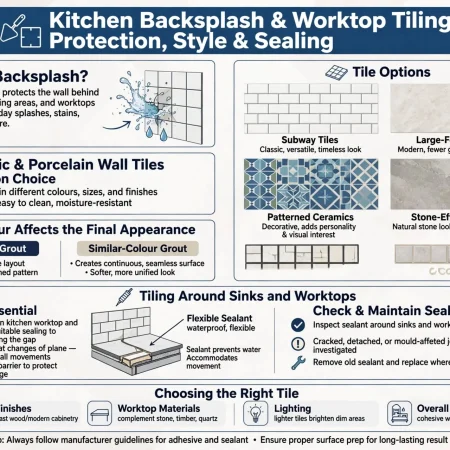
Kitchen splashbacks, bathroom walls and ceramic floors should be cleaned according to the type of contamination. Grease around a cooker may need a tile-safe degreaser, while soap residue on bathroom walls may require a product designed for bathroom surfaces. Follow the label instructions and avoid allowing strong cleaners to remain on the surface longer than directed.
Unglazed ceramic tiles may be more absorbent or textured than glazed products. Use the manufacturer’s recommended cleaning method and avoid assuming that every ceramic tile can tolerate the same chemicals.
Pay attention to grout joints, edges and corners, where grease, soap residue and dust can accumulate. Use a soft brush when necessary rather than a metal scouring pad that could damage the surface or grout.
Remove Hard-Water Marks and Mineral Deposits Carefully
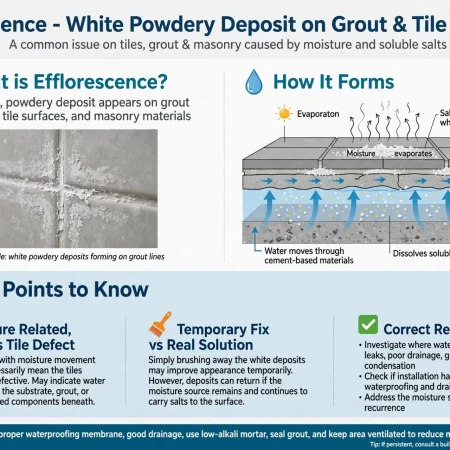
Hard water can leave white marks, cloudy patches and mineral deposits on bathroom tiles, shower walls, taps and glass-adjacent surfaces. These deposits are particularly noticeable around showerheads, taps, floor drains and areas where water repeatedly evaporates.
First determine whether the mark is mineral scale, soap residue or another type of stain. A suitable bathroom cleaner may remove light deposits without requiring aggressive treatment. If a descaling product is needed, confirm that it is compatible with the tile, grout, metal fittings and any surrounding stone.
Acidic cleaners can damage cement-based grout, some decorative finishes, natural stone and certain metal components. Never use an acidic descaler on marble or limestone surfaces, even if they are installed beside porcelain tiles. Protect adjacent materials and test the product in an inconspicuous area.
Do not mix cleaning chemicals. In particular, never mix bleach with acidic cleaners or ammonia-based products because dangerous gases can form. Follow the product label, ventilate the area and wear the recommended protective equipment.
For recurring mineral deposits in Dubai bathrooms, wipe wet surfaces dry after use and improve ventilation where possible. Removing standing water regularly is often easier than repeatedly treating heavy scale.
Clean Grout Without Damaging the Tile Surface
Grout joints can become darker than the surrounding tiles because they collect dust, oils, soap residue and moisture. The correct cleaning approach depends on whether the grout is cement-based, epoxy-based or another specialist formulation.
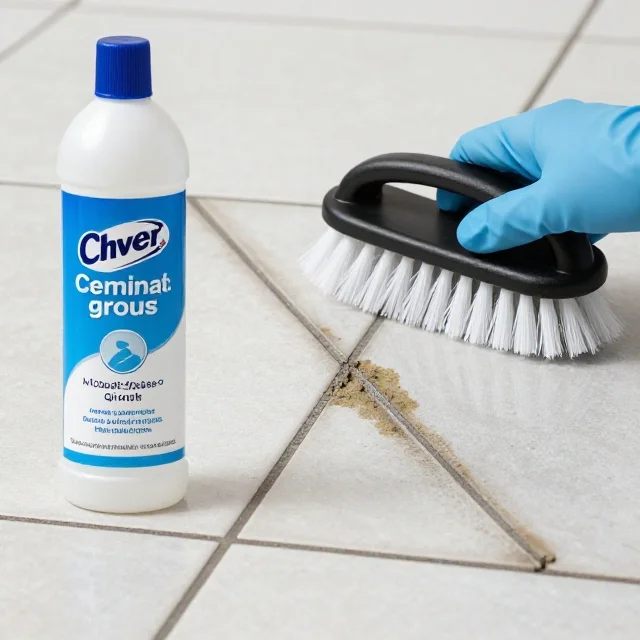
For ordinary cement-based grout, start with a compatible grout cleaner and a soft nylon brush. Work gently along the joint, following the manufacturer’s instructions, then remove the loosened dirt and rinse if required. Avoid metal brushes, aggressive scraping and excessive pressure, which can wear away the grout surface.
Epoxy grout often resists stains and moisture better than traditional cement-based grout, but it still requires appropriate cleaning. Use products approved for that grout type, especially if the joints contain old residue or stubborn contamination.
Avoid routine use of strong acids or concentrated bleach on grout. These chemicals may discolour or weaken certain materials, damage surrounding components or create uneven results. If the grout remains dark after appropriate cleaning, the issue may be embedded staining, deterioration, mould growth or moisture rather than surface dirt alone.
Cracked, missing or powdery grout should be assessed for repair instead of repeatedly scrubbed. Cleaning cannot restore grout that has physically deteriorated.
Cleaning Bathroom Tiles and Shower Walls
Bathroom tiles face soap residue, body oils, shampoo deposits, moisture and mineral scale. Regular light cleaning is usually more effective than waiting for thick deposits to develop.
After showering, use a squeegee on suitable tiled walls and glass, then wipe away standing water around corners and fittings. Keep ventilation operating to reduce persistent moisture. Clean the floor and lower wall areas where soap residue and dirt tend to collect, paying particular attention to grout joints and the area around the drain.
For routine cleaning, choose a tile-safe bathroom cleaner. For mildew-like staining, first identify the affected material and use a product specifically labelled for the surface and contamination. Persistent growth, recurring damp patches or damaged grout may indicate a ventilation, sealing or moisture problem that needs attention beyond cleaning.
Never assume that all bathroom tiles are waterproof as a complete assembly. The tile itself, grout, movement joints and underlying waterproofing system perform different functions. If water is penetrating behind the tiled finish, surface cleaning will not resolve the underlying problem.
Remove Kitchen Grease and Food Stains
Kitchen floors and splashbacks can accumulate cooking oil, food splashes, beverage spills and sticky residues. Clean spills promptly because dried contamination is generally more difficult to remove.
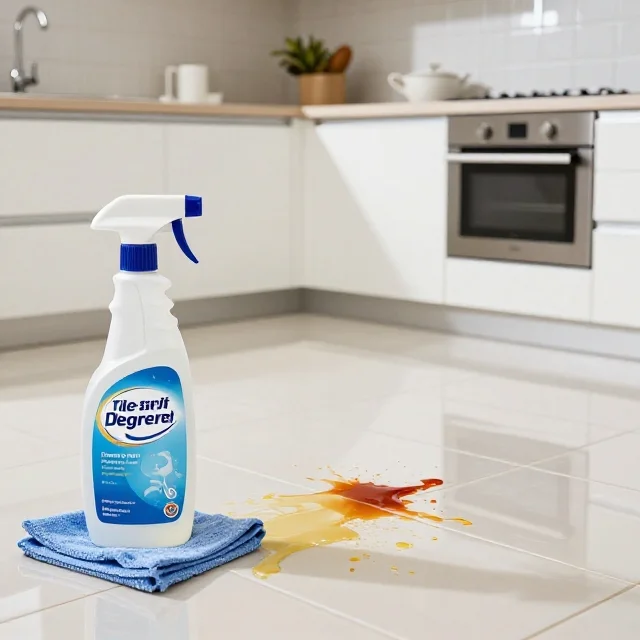
For everyday kitchen cleaning, use a compatible tile cleaner and clean microfibre cloth. For heavier grease, select a tile-safe degreaser and follow its dilution and dwell-time instructions. Do not leave the product on the surface longer than recommended, and rinse where required.
Coffee, tea, tomato sauce and similar spills should be wiped up as soon as possible. If a stain remains, identify the tile finish and check the manufacturer’s stain-removal guidance before using a specialist treatment. Avoid abrasive powders and rough pads on polished tiles because they may alter the finish.
In Dubai villas and apartments, kitchens with frequent cooking may need more frequent degreasing around the cooker, worktops and cabinet edges. In restaurants, hotel kitchens and commercial food preparation areas, cleaning procedures should also follow the premises’ hygiene requirements and the product’s approved use.
Cleaning Textured, Matt and Anti-Slip Tiles
Textured and matt tiles can hide light dirt but may retain soil in their surface profile. A smooth mop alone may not reach every recess, especially in balconies, entrance areas, laundry rooms and outdoor spaces.
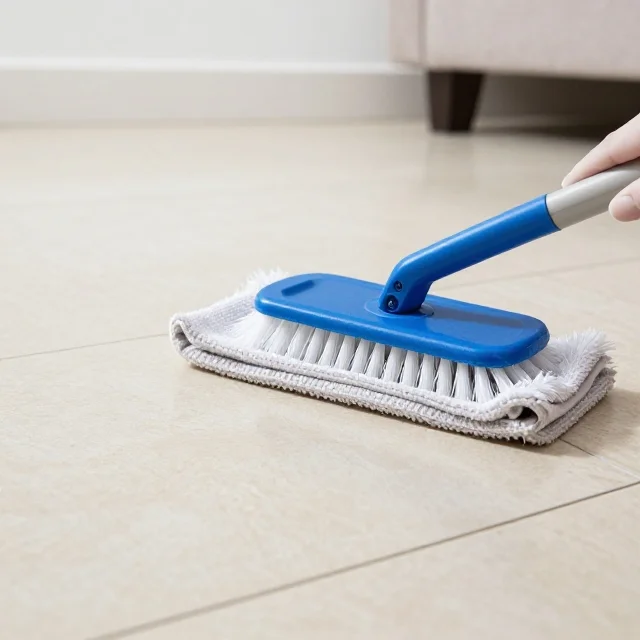
Remove loose sand first, then use a suitable cleaner with a soft or medium-soft nylon brush where the manufacturer’s instructions permit it. Work in small sections and rinse away loosened dirt thoroughly. Allow the surface to dry and check whether residue remains in the texture.
Avoid applying wax or polish to anti-slip flooring unless explicitly approved. A coating can change the surface characteristics and potentially reduce slip resistance. Also avoid pressure-washing indoor tiled surfaces without assessing grout, joints and water penetration risks.
Balcony and terrace tiles may need more frequent cleaning because of dust, wind-blown sand and rainwater residue. Check drainage outlets and corners so that dirt does not build up around standing water.
Cleaning Tiles in Dubai’s Climate
The UAE climate creates practical maintenance challenges that vary by property. Fine desert dust enters through doors and windows, sand collects around entrances, and air-conditioning systems can circulate particles that settle on floors. Hard-water residue can also become noticeable in bathrooms and laundry areas.
For villas in Arabian Ranches, Dubai Hills Estate and Jumeirah, entry mats and regular dry dust removal can help reduce sand being carried indoors. In apartments in Dubai Marina, Downtown Dubai and Business Bay, balconies and frequently used entrances may need additional attention because of outdoor exposure and foot traffic.
Commercial properties in Deira, Al Quoz, Dubai Investment Park and Sharjah may face higher cleaning demands where staff, visitors, deliveries or equipment move through tiled areas throughout the day. Establish a schedule based on use, and use separate cleaning equipment for kitchens, bathrooms and general floor areas to reduce cross-contamination.
Humidity and limited ventilation can also affect bathrooms and laundry rooms. Keeping these spaces ventilated, removing standing water and maintaining sound grout joints can support a cleaner tiled surface.
Common Cleaning Mistakes That Damage Tiles
One frequent mistake is using a harsh chemical simply because the stain looks stubborn. Strong acids, concentrated bleach, abrasive powders and unsuitable degreasers may damage grout, alter certain finishes or harm nearby materials. Always confirm compatibility before applying a specialist product.
Another mistake is using too much detergent. Excess cleaner can leave a film that attracts dirt and makes the floor look dull. Correct dilution, clean mop water and a final rinse when required usually produce better results.
Scrubbing with steel wool or a metal brush is also risky, particularly on polished or decorative surfaces. Use a soft cloth or suitable nylon brush instead. Similarly, avoid dragging heavy furniture across the floor without protective pads, because grit trapped beneath furniture legs can scratch surfaces.
Do not ignore grout, movement joints or signs of moisture. Repeated cleaning will not repair cracked joints, loose tiles or failed waterproofing. Where the problem returns quickly, investigate the underlying cause rather than increasing chemical strength.
Finally, never mix cleaning products. Follow the manufacturer’s directions, provide ventilation and store chemicals safely away from children and pets.
How Often Should Porcelain and Ceramic Tiles Be Cleaned?
Cleaning frequency depends on the room, foot traffic and exposure to contamination. Entryways, kitchens and busy commercial floors generally need more frequent attention than guest rooms or lightly used areas.
For most homes, remove loose dust from high-traffic floors daily or as needed. Damp-mop floors when they look dirty, and clean kitchen spills promptly. Bathrooms benefit from regular light cleaning and wiping down wet surfaces after use. Grout may need occasional targeted cleaning rather than aggressive scrubbing every time the floor is washed.
Retail shops, offices, hotels and other commercial premises may require several cleaning cycles a day in high-traffic areas. The schedule should account for operating hours, hygiene requirements, surface finish and slip risks. Wet floors must be managed safely with suitable warning signs and appropriate access controls.
A simple maintenance log can help property managers identify areas that collect dirt quickly and adjust cleaning frequency without wasting labour or cleaning products.
When to Hire Professional Tile Cleaning Services
Routine dust removal and damp mopping are suitable for most day-to-day maintenance. Professional cleaning may be helpful when tiles have heavy grout staining, persistent detergent residue, accumulated grease, difficult mineral deposits or contamination across a large commercial area.
A reliable provider should identify the tile type, inspect the grout and surrounding materials, explain the proposed cleaning method and test specialist products on a discreet area. Equipment and chemical strength should be matched to the surface rather than selected solely for speed.
Professional cleaning can also be useful before handing over a renovated property, preparing a villa for new occupants or maintaining floors in offices, hotels and retail spaces. However, damaged grout, loose tiles, cracked joints and waterproofing failures may require repair work instead of cleaning alone.
Property owners looking for Clean Porcelain and Ceramic Tiles Services should choose a provider that understands the difference between routine maintenance, deep cleaning and restoration. Ask what products will be used, whether rinsing is required and how the contractor will protect adjacent surfaces and prevent slippery conditions.
A Simple Maintenance Plan for Long-Lasting Tiles
A practical tile maintenance plan starts with prevention. Use entrance mats where appropriate, remove sand and dust before mopping, clean spills promptly and select a cleaner designed for the specific tile finish. Avoid waxes, abrasive pads and aggressive chemicals unless the manufacturer approves them.
Inspect grout and movement joints periodically, especially in bathrooms, kitchens, balconies and other areas exposed to water. Address cracks, loose tiles or recurring dampness before they lead to more extensive problems. Use clean equipment and replace mop water frequently to avoid spreading soil across the floor.
For UAE properties, adapt the schedule to seasonal dust, outdoor exposure, occupancy and foot traffic. These simple habits help preserve the appearance of porcelain and ceramic tiles while reducing unnecessary chemical use and premature repairs.
Frequently Asked Questions
Can I clean porcelain and ceramic tiles with vinegar?
Vinegar is acidic and is not the best universal cleaner for tiled surfaces. It may affect cement-based grout, natural stone and certain finishes. A compatible pH-neutral tile cleaner is a safer choice for routine maintenance unless the manufacturer specifically approves another product.
Is bleach safe for porcelain and ceramic tiles?
Compatibility depends on the tile, grout, concentration and intended use. Some products containing bleach are approved for particular surfaces, but concentrated or repeated use can damage certain grout, finishes and nearby materials. Follow the label, ventilate the room and never mix bleach with other cleaning chemicals.
Why do my tiles look dull after mopping?
Dullness or streaking can result from excess detergent, dirty mop water, hard-water minerals or residue from unsuitable cleaning products. Try cleaning a small area with a compatible cleaner at the recommended dilution, then rinse with clean water if directed and dry with a clean microfibre cloth.
How can I clean grout between floor tiles?
Use a grout cleaner compatible with the grout type and a soft nylon brush. Work gently, remove loosened soil and rinse according to the product instructions. If the grout is cracked, missing or deteriorating, arrange a repair rather than relying on repeated scrubbing.
Can I use a steam cleaner on ceramic or porcelain tiles?
Some tile surfaces may tolerate steam, but the complete installation includes grout, sealants, movement joints and potentially moisture-sensitive materials. Check the tile and grout manufacturers’ instructions before using steam, and avoid it where it could damage the installation or force moisture into vulnerable areas.
How do I prevent white marks on bathroom tiles in Dubai?
Wipe down wet surfaces, use a squeegee where suitable and improve ventilation. Regularly remove light deposits with a compatible cleaner before minerals accumulate. Use specialist descalers only when approved for the tile, grout and nearby materials.
Are porcelain tiles easier to maintain than ceramic tiles?
Many porcelain tiles have low water absorption and a durable surface, but maintenance depends on the finish, texture, grout and type of contamination. Glazed ceramic tiles can also be easy to clean. Neither material should be treated with an unsuitable chemical or abrasive tool.
When should tiles be professionally cleaned?
Consider professional cleaning when heavy staining, persistent residue, difficult grout contamination or large commercial areas exceed normal maintenance needs. If tiles are loose, grout is deteriorating or moisture keeps returning, the underlying defect should be assessed before cleaning is treated as the complete solution.
Conclusion
Porcelain and ceramic tiles can remain attractive for years when cleaned with the right products and techniques. Remove loose dust before mopping, choose a compatible pH-neutral cleaner for routine care, control water and detergent residue, and use suitable tools for grout and textured surfaces.
For homes and commercial properties across Dubai, Sharjah and the wider UAE, regular maintenance is particularly valuable because dust, sand, foot traffic and hard-water deposits can quickly affect the appearance of tiled surfaces. By matching the cleaning method to the tile finish and addressing damage early, property owners can protect their flooring without relying on harsh chemicals or unnecessary restoration work.