Tiles play an important role in the appearance, hygiene, safety and long-term maintenance of hotels and hospitality properties. From luxury hotel lobbies and restaurant floors to guest bathrooms, swimming pool surrounds and outdoor terraces, every tiled surface must meet the practical demands of hospitality operations. The right tile selection can create an attractive guest experience while helping property managers control maintenance costs and minimise disruption.
Dubai’s hospitality sector includes luxury resorts, business hotels, serviced apartments, restaurants, spas and large entertainment destinations. Properties in Downtown Dubai, Dubai Marina, Palm Jumeirah and Business Bay often require different tiling specifications according to their design, visitor traffic, environmental exposure and operational requirements.
Choosing suitable tiling solutions involves more than selecting a colour or pattern. Tile material, water absorption, slip resistance, chemical compatibility, substrate preparation, grout selection and installation quality all influence performance. This guide explains how hotel owners, hospitality operators, interior designers, consultants and facility managers can select and maintain suitable tiling systems for commercial hospitality environments in Dubai.
Why Are Professional Tiling Solutions Important for Hotels?
Hotel floors and walls experience continuous use. Guests move luggage through reception areas, housekeeping teams clean rooms daily, restaurant staff deal with spills, and maintenance teams must keep wet areas safe. Poorly selected or incorrectly installed tiles can develop cracks, loose edges, staining, water penetration and damaged grout joints.
Professional tiling begins with understanding how each area will be used. A hotel lobby requires a durable, attractive surface that can handle luggage wheels and heavy foot traffic. A shower area needs effective waterproofing, suitable tile absorption characteristics and a slip-resistant finish. A commercial kitchen requires flooring that supports hygiene, cleaning routines and the conditions associated with food preparation.
For hotels in Dubai, high temperatures, air conditioning, humidity in wet areas and outdoor exposure also influence material selection. A well-planned installation considers the complete flooring or wall system, including the substrate, waterproofing, adhesive, grout, movement joints and final cleaning.
Choosing the Right Tiles for Hotel Interiors
Porcelain Tiles for High-Traffic Hotel Areas
Porcelain tiles are widely used in commercial interiors because they generally have low water absorption and offer a broad range of finishes. They can reproduce the appearance of natural stone, marble, concrete or timber while providing a manufactured surface with consistent dimensions and patterns.
Large-format porcelain tiles are popular in hotel lobbies, corridors, reception areas and guest rooms. Their larger dimensions can reduce the number of visible grout joints, creating a cleaner appearance when the floor layout and installation are properly planned.
However, tile size should be matched to the substrate condition, room dimensions and installation method. Large-format tiles require suitable surface flatness, appropriate adhesive coverage and careful handling. Hollow areas beneath tiles can increase the risk of cracking or debonding under concentrated loads.
For commercial properties in Downtown Dubai and Dubai Marina, porcelain tiles may be suitable for reception areas, lifts and corridors where appearance and durability are important. The selected product should still be checked for its intended application, wear performance, finish and slip resistance.
Ceramic Tiles for Guest Rooms and Wall Applications
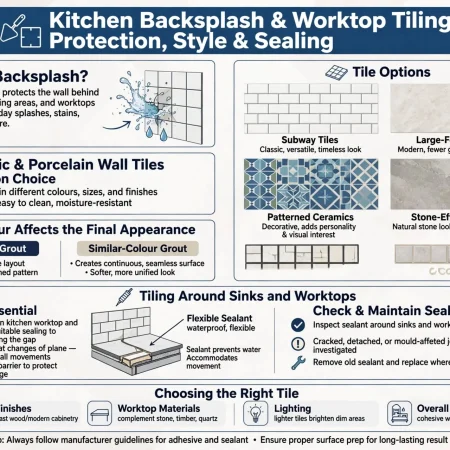
Ceramic tiles offer a wide selection of colours, patterns and decorative finishes. They can be suitable for guest bathroom walls, decorative features, selected flooring applications and back-of-house areas, depending on the product specification.
Glazed ceramic wall tiles are commonly used around bathroom basins, shower walls and vanity areas because their finished surfaces can be relatively easy to clean. They are not automatically suitable for every floor application, so the manufacturer’s technical data should be reviewed before selection.
Hotels often use different tile designs to distinguish guest bathrooms, corridors, service areas and restaurant interiors. A coordinated palette can support the property’s interior design without requiring every area to use the same tile material.
Natural Stone and Marble for Luxury Hotels
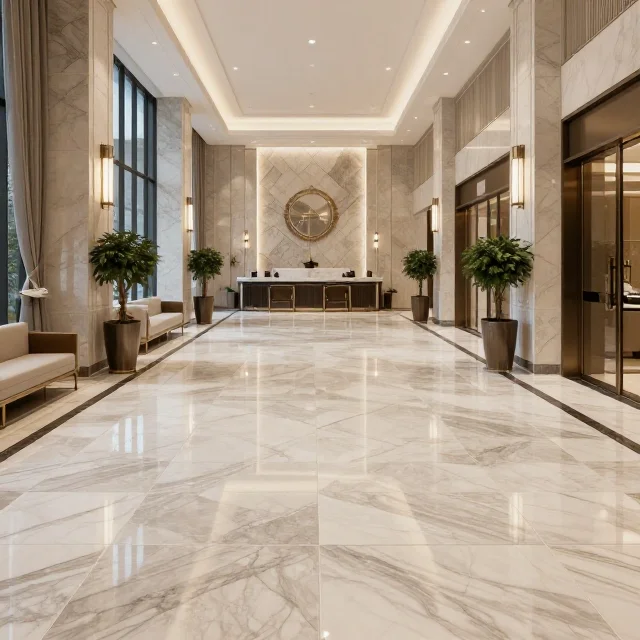
Natural stone, including marble, limestone and granite, can create a premium finish in luxury hotels, resorts and high-end restaurants. Marble is particularly associated with elegant lobbies, feature walls, reception counters and decorative flooring.
Natural stone requires more careful specification than many manufactured tiles. Some stones are porous, acid-sensitive or vulnerable to staining. Marble, for example, can lose its polished appearance when exposed to acidic cleaning products. Appropriate sealing, cleaning procedures and maintenance intervals should be determined according to the stone type and supplier recommendations.
Before installing natural stone in a hotel lobby or ballroom, the project team should review slab or tile consistency, expected foot traffic, maintenance requirements and replacement availability. A sample installation can help the design team assess colour variation, reflectivity and the appearance of joints under the property’s lighting.
Best Tiling Solutions for Different Hotel Areas
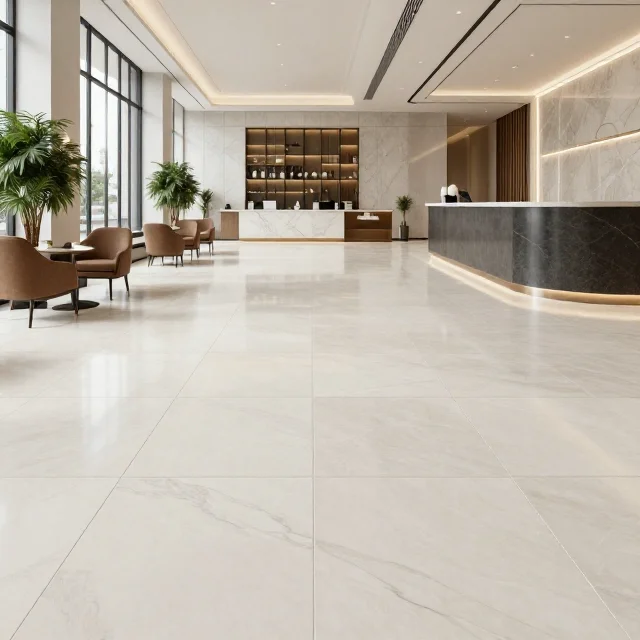
Hotel Lobbies and Reception Areas
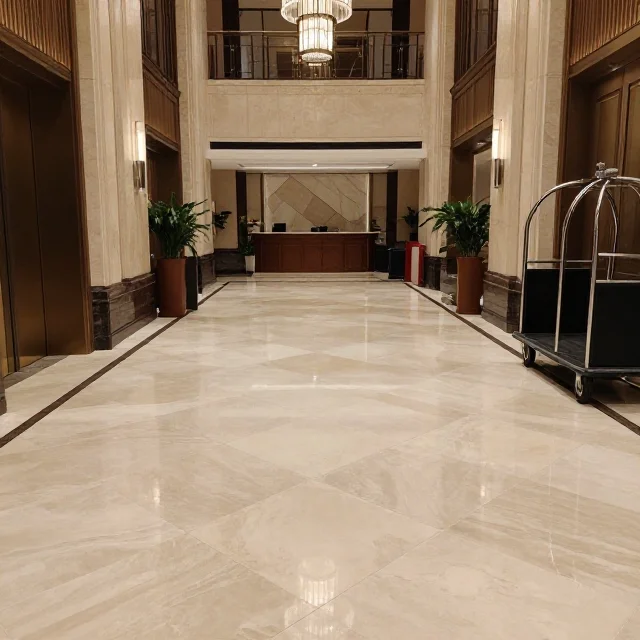
The lobby is often the first interior space guests experience. Its flooring must support the hotel’s design identity while accommodating luggage, trolleys, visitors, housekeeping equipment and continuous foot traffic.
Porcelain, suitable natural stone and other commercial-grade flooring materials can work well when selected according to the building’s requirements. Polished surfaces may create a luxurious appearance, but their performance under wet conditions must be evaluated carefully, particularly near entrances where rainwater, cleaning water or moisture from footwear may be present.
Tile layout should also account for reception counters, lift thresholds, doorways and changes in floor level. Proper alignment and well-planned movement joints help deliver a neat finish and reduce avoidable maintenance issues.
Guest Rooms and Hotel Corridors
Guest rooms require flooring that complements the interior design and supports regular housekeeping. Porcelain tiles can be used in guest rooms, suites and apartment-style accommodation, while decorative ceramic tiles may suit selected wall applications.
Corridors often experience repeated luggage traffic and frequent cleaning. The tile should be suitable for the expected wear and the cleaning products used by the housekeeping team. Abrupt changes in level, chipped edges and loose tiles can create trip hazards and should be addressed promptly.
In long hotel corridors, the installation design should include appropriate movement joints and consider substrate conditions. A consistent layout can improve visual continuity, while spare tiles from the original batch can help simplify future repairs.
Hotel Bathrooms and Shower Areas
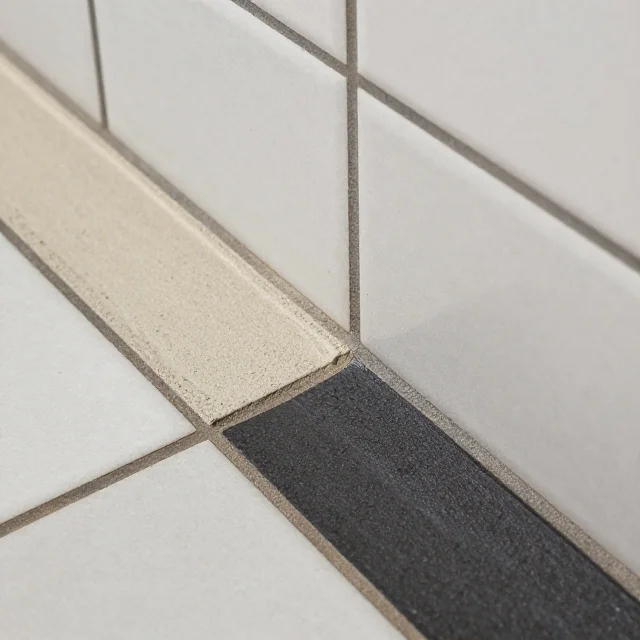
Bathrooms require particular attention to waterproofing, drainage and slip resistance. Tiles are only the visible finish; they do not replace a properly designed waterproofing system.
Before tiling, the substrate should be checked for stability, correct falls and compatibility with the specified waterproofing products. Shower floors must direct water towards the drain without creating standing-water areas. Wall-to-floor junctions, pipe penetrations and drain interfaces should be detailed according to the waterproofing system manufacturer’s instructions.
Small-format tiles or mosaics can be useful on sloping shower floors because their additional grout joints may help the surface follow the required falls. However, grout joints alone do not provide waterproofing, and the finished surface still needs to meet the project’s slip-resistance requirements.
For hotel bathroom renovations, the contractor should coordinate plumbing, waterproofing and tiling activities to reduce the risk of leaks and costly room closures.
Hotel Restaurants and Commercial Kitchens
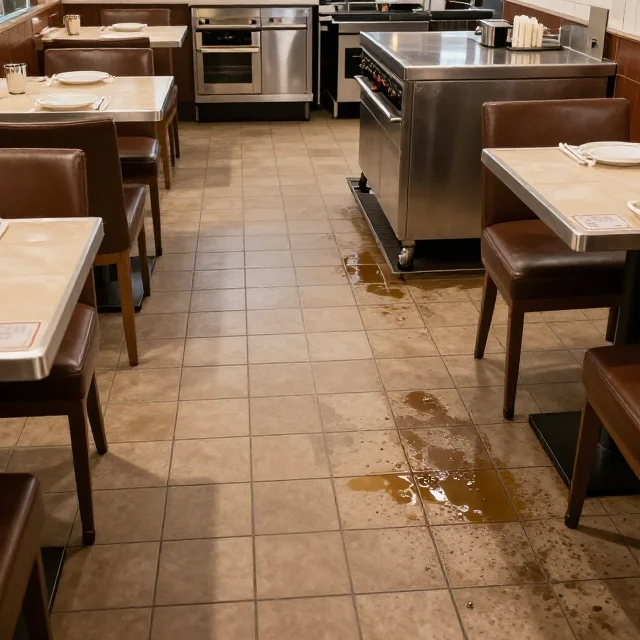
Restaurant floors must withstand food spills, cleaning routines, moving furniture and regular service traffic. Commercial kitchens have additional demands, including grease, water, temperature changes and frequent washing.
Tile selection should consider slip resistance under realistic operating conditions, resistance to the cleaning chemicals used on site, ease of cleaning and the condition of the underlying floor. Kitchen layouts should also account for floor drains, equipment bases, wall junctions and coved finishes where specified by the project design.
A tile that is easy to clean when dry may behave differently when contaminated with oil or water. The restaurant operator and design team should therefore select products based on the expected environment rather than appearance alone.
Installation must also provide appropriate falls towards drainage points without creating uneven surfaces that interfere with trolley movement or equipment positioning.
Swimming Pools, Spas and Outdoor Terraces
Resorts and hotels in Dubai often include swimming pools, spa facilities, balconies, rooftop terraces and landscaped outdoor areas. These locations require tiles specifically selected for their exposure and intended use.
Pool surrounds should be assessed for slip resistance under wet conditions, water exposure and compatibility with the pool’s chemical environment. Tiles installed underwater must meet the relevant product and installation requirements for that application.
Outdoor terraces require attention to drainage, temperature variation, direct sunlight and movement joints. The installation system must accommodate expected environmental conditions, while the selected tile should be approved for outdoor use.
A product suitable for an indoor lobby should not automatically be used around a swimming pool or on an exposed rooftop. Surface finish, absorption, thermal behaviour and the complete installation specification must be evaluated separately.
Slip Resistance and Guest Safety
Slip resistance is a key consideration in hospitality properties because guests and employees move between dry, damp and wet environments. Entrance areas, bathrooms, pool decks, spa changing rooms and commercial kitchens need particular attention.
The appropriate slip-resistance classification depends on the location, expected contaminants, footwear, cleaning method and applicable project requirements. Ratings from different test methods are not always directly interchangeable, so specifications should identify the test method and the conditions for which the result is relevant.
For example, a textured tile may provide better traction in a wet environment than a highly polished surface, but excessive texture can make cleaning more difficult. Hotel operators need a practical balance between safety, hygiene and maintenance.
The contractor should follow the approved tile schedule and avoid substituting a visually similar product without confirming that its performance meets the specification. Cleaning and maintenance procedures should also be considered because soap residue, grease and cleaning chemicals can affect the way a floor performs.
Tile Adhesives, Grout and Waterproofing Systems
A successful tiling installation depends on the complete system, not just the tile itself.
Selecting the Correct Tile Adhesive
Tile adhesive should be compatible with the tile material, size, substrate and operating environment. Large-format porcelain, natural stone, wet areas and external applications may require different adhesive characteristics.
The contractor should follow the adhesive manufacturer’s instructions for surface preparation, mixing, open time, coverage and curing. Incorrect mixing or installing tiles after the adhesive has exceeded its open time can reduce bond strength.
In hotel renovation projects, the team must also verify whether the existing substrate can accept the new installation. Dust, grease, weak screed, cracks and incompatible coatings may need to be removed or treated before tiling begins.
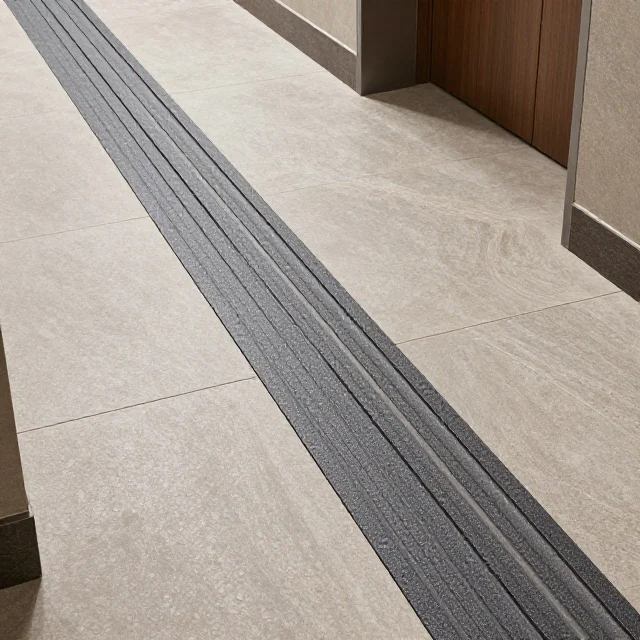
Choosing Grout for Hospitality Environments
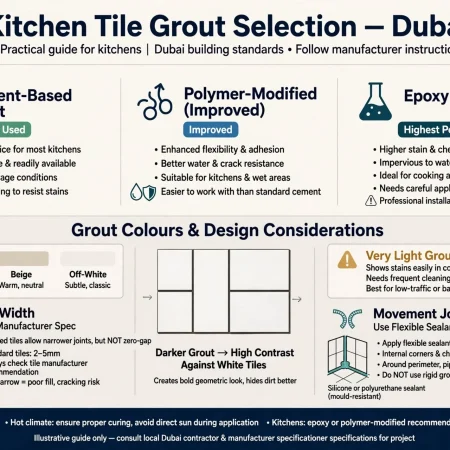
Grout affects the appearance, cleanability and maintenance of tiled surfaces. Cement-based grout is common, while epoxy grout may be appropriate for certain areas requiring enhanced resistance to staining and cleaning chemicals.
Epoxy grout is not necessary for every hotel installation. Its suitability depends on the location, tile type, installation requirements, budget and the contractor’s ability to apply it correctly.
The grout colour should be chosen with cleaning and maintenance in mind. Very light grout in busy restaurant areas may show staining more readily, while extremely dark grout may highlight residue or mineral deposits in certain environments.
Movement joints should be provided where required by the design and applicable installation guidance. Rigid grout should not be used as a substitute for properly detailed movement joints.
Waterproofing Behind Tiled Surfaces
Waterproofing is essential in hotel showers, bathrooms, spa areas and other wet locations where the construction design requires it. A tiled surface can allow moisture to pass through joints and interfaces, so the underlying waterproofing system must provide the intended protection.
The contractor should follow the approved waterproofing specification, including substrate preparation, membrane application, corner treatment, pipe penetrations and drain connections. Required curing periods and water testing should be completed before the tile installation proceeds.
When renovating an existing bathroom, the team should investigate the source of any moisture damage rather than simply covering the old surface with new tiles. Concealing a failed waterproofing system can lead to leaks, damaged finishes and disruption to neighbouring rooms.
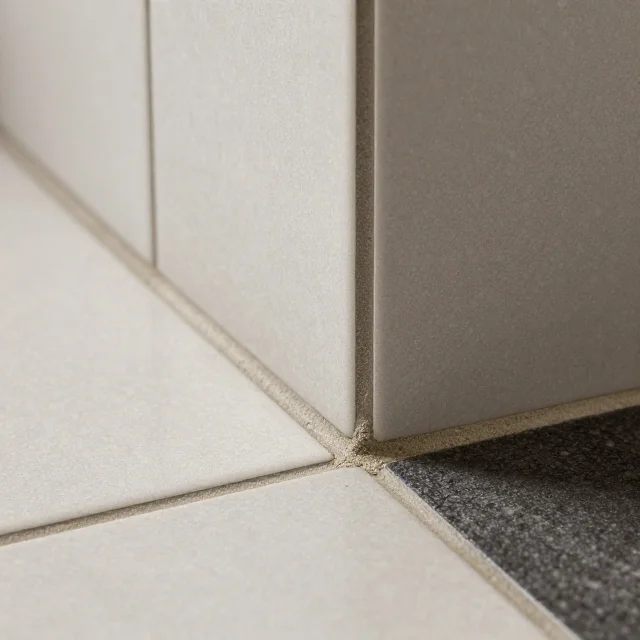
The Importance of Proper Tile Installation
Even high-quality tiles can fail when installed on an unsuitable substrate or with incorrect workmanship. Professional installation begins with checking the base, confirming levels, planning the tile layout and identifying locations where cuts or movement joints are needed.
The substrate must be sufficiently stable and prepared for the selected installation system. Uneven floors can result in lippage, where adjacent tile edges sit at different heights. Excessive lippage can affect appearance, cleaning and safe movement, particularly in areas used by luggage trolleys and housekeeping carts.
Adhesive coverage is another important factor. The installer should use the method specified for the tile and application, ensuring suitable contact between the tile and the prepared substrate. Large-format tiles may require additional attention to coverage and surface flatness.
Before work begins, the project team should agree on the setting-out plan, grout joint width, finished floor levels and interfaces with doors, skirting, drains and adjoining floor materials. These details are particularly important in hotels where work must coordinate with joinery, plumbing, electrical services and interior fit-out activities.
Tiling Challenges in Dubai’s Hospitality Properties
Dubai’s climate and hospitality operating conditions influence material selection, construction planning and maintenance. Outdoor tiles may be exposed to intense sunlight and substantial temperature variation, while indoor surfaces can experience frequent air conditioning and repeated cleaning.
For external areas, the design should consider the thermal characteristics of the tile and substrate, suitable adhesive and grout systems, drainage and correctly placed movement joints. Installation methods must follow the product manufacturer’s recommendations for the expected exposure.
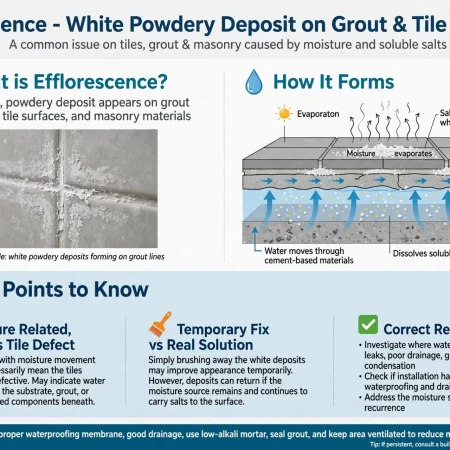
Water quality and cleaning practices also affect tiled surfaces. Mineral deposits can accumulate around showers, pool surrounds and wash areas, particularly where water evaporates frequently. Using compatible cleaning products and maintaining drainage can help reduce deposits without damaging sensitive materials.
Hotels in Palm Jumeirah, Jumeirah, Dubai Marina and other coastal areas should select products according to their actual exposure and maintenance conditions. Coastal location alone does not determine which tile is suitable; the relevant factors include moisture, cleaning chemicals, substrate design and the intended use of each area.
Construction scheduling is equally important. A hotel may need to renovate guest bathrooms or corridors while remaining operational. Phased installation, controlled access, dust management, curing periods and clear handover procedures help minimise disruption to guests and staff.
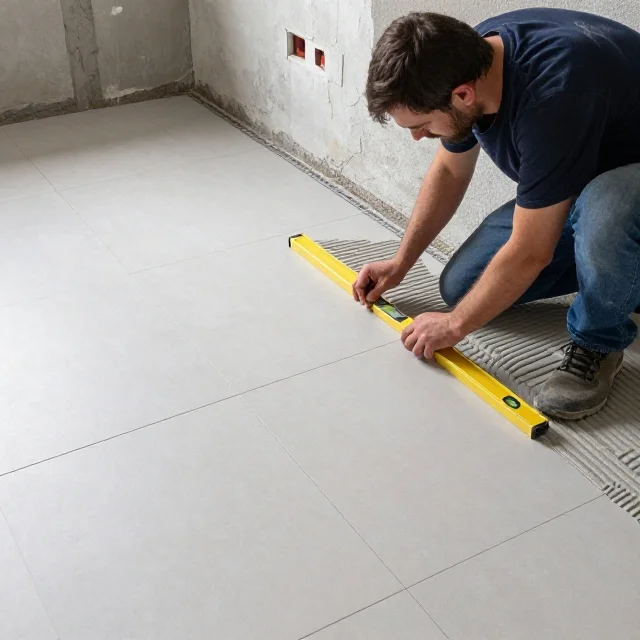
How to Plan Hotel Tiling Renovations Without Disrupting Operations
Hotel renovations often need to take place while other rooms and facilities remain open. Poor planning can create noise, dust, blocked corridors and extended room closures.
The project manager should divide the work into manageable phases and coordinate tiling with plumbing, waterproofing, electrical work and other interior finishes. Guest rooms can be scheduled in blocks, while work in reception areas or restaurants may require carefully planned low-occupancy periods.
Before removing old tiles, the team should inspect the existing surface and identify potential substrate damage, moisture problems and services beneath the floor. The project schedule should include realistic time for surface preparation, waterproofing, curing, installation, grouting and final inspection.
The contractor should also protect adjoining finishes, manage construction waste and maintain safe access routes. Replacement tiles should be kept from suitable batches where possible so that future repairs can match the original installation.
A documented snagging process helps identify uneven edges, inconsistent joints, hollow-sounding areas, damaged tiles and incomplete sealant work before the area returns to service.
Choosing a Professional Tiling Contractor in Dubai
Selecting a contractor is as important as choosing the tile. Hospitality projects require teams that understand commercial installation standards, sequencing, waterproofing coordination, safety and the need to complete work within agreed timeframes.
Ask for examples of completed hotel, restaurant or commercial projects. Review the proposed method statement, tile installation details, workforce experience, material specifications and quality-control procedures. For specialist areas such as swimming pools, commercial kitchens and natural stone lobbies, request evidence of relevant experience.
The quotation should explain what is included: surface preparation, removal of old finishes, levelling, waterproofing, adhesive, grout, movement joints, waste disposal and final cleaning. It should also state whether tiles are supplied by the contractor or the client and how damaged or additional materials will be handled.
For hospitality operators comparing Tiling Solutions for Hotels Services, it is useful to evaluate the contractor’s ability to coordinate with the wider MEP and fit-out teams, document installation quality and provide a clear maintenance handover.
A professional contractor should identify potential risks before work starts, explain how those risks will be managed and avoid making unsupported promises about durability or completion time.
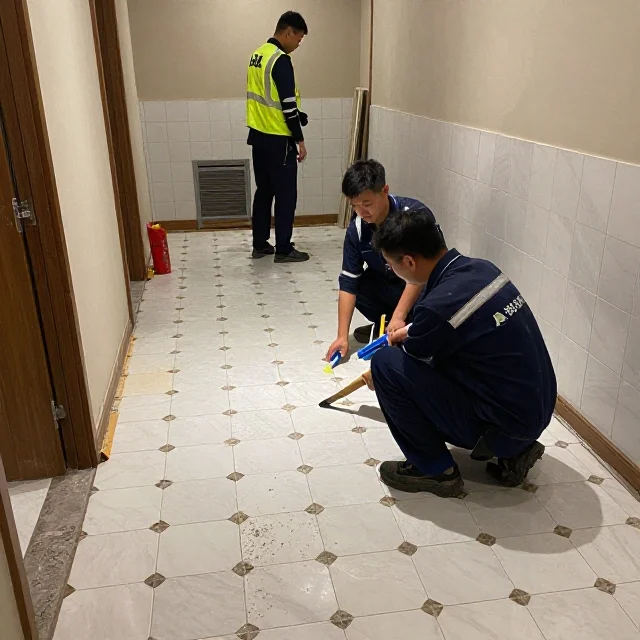
Maintenance Strategies for Long-Lasting Hotel Tiles
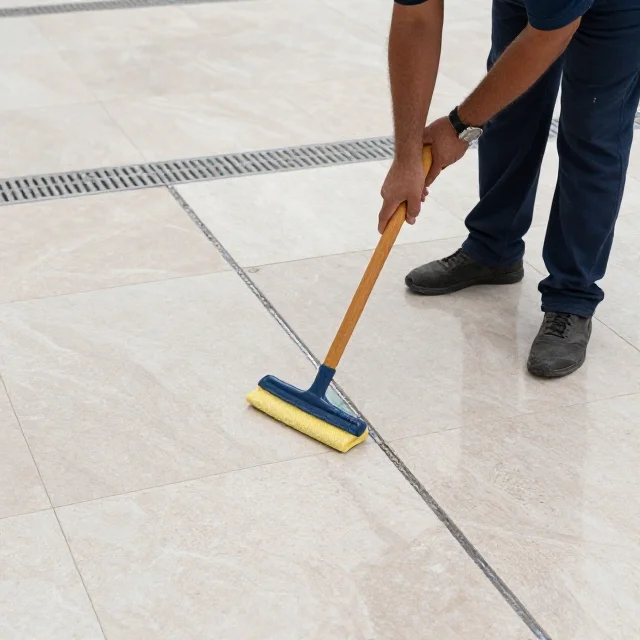
Regular maintenance helps preserve tiled surfaces and reduce the cost of premature repairs. Housekeeping teams should use cleaning products compatible with the tile, grout and any sealers applied to the surface.
Porcelain and ceramic tiles generally benefit from regular dust removal and cleaning with an appropriate neutral cleaner. Natural stone may require specialist products, periodic inspection and sealing where recommended by the supplier. Acidic cleaners should not be used on acid-sensitive materials such as many marble and limestone finishes.
Grout joints, sealant lines, floor drains and movement joints should be inspected regularly. Cracked grout, loose tiles or damaged sealant may indicate movement, water penetration or substrate problems that require investigation.
In hotel kitchens and restaurants, cleaning schedules should address grease and spills promptly. Pool areas need maintenance procedures suitable for the tile finish and pool-treatment environment. Outdoor terraces should be checked for blocked drains, standing water and damaged joints.
Keeping a record of tile types, grout colours, product specifications and spare materials can simplify future repairs. This is especially valuable for hotel groups managing several properties across Dubai, Abu Dhabi and Sharjah.
Frequently Asked Questions
Which tiles are best for hotel lobbies in Dubai?
Commercial-grade porcelain and suitable natural stone are common options for hotel lobbies. The best choice depends on traffic levels, appearance, slip resistance, cleaning requirements and the substrate. Polished finishes should be evaluated carefully where water may reach the floor.
What tiles are suitable for hotel bathrooms?
Porcelain and ceramic tiles can be suitable for hotel bathrooms when the selected product is approved for its intended application. Shower floors require appropriate slip resistance and drainage, while waterproofing must be installed beneath the tiled finish according to the approved system.
How can hotels reduce tile maintenance costs?
Hotels can reduce maintenance costs by selecting suitable materials, installing them correctly, using compatible cleaning products and repairing defects early. Keeping spare tiles and installation records also helps reduce disruption when repairs are needed.
Are porcelain tiles suitable for outdoor hotel areas?
Some porcelain tiles are suitable for outdoor terraces and pool surrounds, but not every porcelain product is designed for these conditions. The specification should confirm outdoor suitability, slip resistance, water absorption characteristics and compatibility with the installation system.
How long does hotel tiling installation take?
The duration depends on the area, substrate condition, tile size, layout complexity, waterproofing requirements and curing times. Renovation work in an operating hotel may also need to be phased to protect guests and minimise disruption.
Why is waterproofing important before bathroom tiling?
Waterproofing helps prevent moisture from reaching the substrate and adjacent building elements. Tiles and grout alone should not be treated as a complete waterproofing system. The membrane, corners, penetrations and drains must be detailed and tested as required by the project specification.
Conclusion
Tiling solutions for hotels and hospitality properties in Dubai must combine design, durability, hygiene, safety and practical maintenance. Porcelain, ceramic, natural stone and specialist outdoor tiles each have a role, but the correct choice depends on the environment and the demands of the space.
Hotel owners, developers and facility managers should assess tile performance alongside adhesive compatibility, grout selection, waterproofing, substrate preparation and installation quality. Proper planning is especially important for bathrooms, commercial kitchens, swimming pools, outdoor terraces and high-traffic public areas.
By selecting suitable materials, appointing an experienced tiling contractor and establishing a consistent maintenance plan, hospitality properties can protect their finishes, reduce avoidable repairs and deliver a better experience for guests.