MEP Work
Heat exchangers are essential components in modern HVAC, industrial, and mechanical systems because they enable efficient heat transfer between two fluids without mixing them. These systems are widely used in chiller plants, cooling towers, boilers, manufacturing facilities, hotels, hospitals, commercial buildings, and industrial processing plants across Dubai and the UAE. Over time, heat exchangers can experience problems such as scaling, corrosion, fouling, pressure loss, gasket failure, tube damage, and reduced thermal efficiency. Professional heat exchanger repair is necessary to restore system performance, prevent unexpected shutdowns, and maintain energy-efficient operation. At TriCircle Technical Services, we provide expert heat exchanger repair and maintenance solutions designed for commercial, industrial, and HVAC applications, helping businesses improve reliability, reduce operational costs, and extend the lifespan of critical mechanical equipment.
Heat exchangers are a critical part of industrial, commercial, and HVAC systems. They transfer heat between fluids, allowing cooling or heating processes to run efficiently. Over time, wear, scaling, leaks, or corrosion can reduce efficiency and even cause system failure. That’s why professional heat exchanger repair is essential to maintain system performance, save energy, and prevent costly downtime.
Many facility managers and building owners ask: How can I maintain my heat exchanger? What types of repairs are common? How often should inspection and servicing be done? This guide explains everything. Providing practical tips for industrial, commercial, and HVAC applications.
A properly functioning heat exchanger directly affects the performance of connected HVAC and mechanical systems. When heat transfer surfaces become contaminated with mineral deposits, dirt, corrosion products, or biological growth, the system requires more energy to achieve the same heating or cooling output. This increases operational expenses and places additional stress on compressors, pumps, boilers, chillers, and cooling towers. Regular inspection and maintenance help identify early warning signs such as abnormal temperature differences, reduced fluid flow, pressure drops, and leakage issues. Professional servicing improves heat transfer efficiency, maintains stable system operation, and prevents expensive equipment failures. For commercial facilities in areas such as Business Bay, Downtown Dubai, Dubai Marina, Palm Jumeirah, Dubai Hills Estate, and Jumeirah Lake Towers (JLT), reliable heat exchanger performance is essential for maintaining comfortable indoor environments and uninterrupted business operations.
Accurate diagnosis is the foundation of effective heat exchanger repair. Before performing any repair work, our HVAC and mechanical engineers conduct detailed inspections to determine the actual condition of the equipment. The assessment includes visual examination, temperature measurement, pressure testing, flow analysis, leak detection, and performance evaluation. Advanced diagnostic methods help identify issues such as blocked passages, damaged tubes, deteriorated gaskets, corrosion points, and reduced heat transfer capacity. Our engineers evaluate the complete system, including connected chilled water circuits, condenser water loops, pumps, valves, and control systems, to understand how the heat exchanger is affecting overall HVAC performance. This detailed approach ensures that repairs address the root cause rather than providing temporary solutions.
Plate heat exchangers are commonly installed in commercial buildings, district cooling systems, HVAC plants, and industrial applications because of their compact design and excellent thermal efficiency. These units consist of multiple stainless-steel plates separated by specially designed gaskets that create channels for heat transfer between fluids. Over time, plate heat exchangers may suffer from gasket deterioration, plate corrosion, scaling, blocked passages, or leakage between circuits. Our plate heat exchanger repair services include dismantling, inspection, plate cleaning, gasket replacement, pressure testing, leak detection, and performance verification. Proper maintenance restores heat transfer efficiency, improves fluid circulation, and helps maintain reliable operation in demanding environments. Regular servicing also prevents premature replacement and reduces long-term maintenance costs for facility owners.
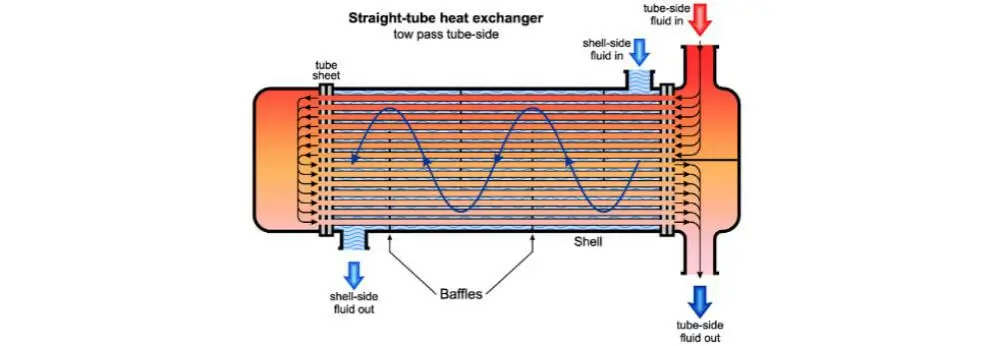
Shell and tube heat exchangers are widely used in industrial facilities, power systems, refrigeration plants, boilers, and large HVAC applications because they can handle high pressures and demanding operating conditions. These systems rely on tube bundles to transfer heat between fluids while maintaining separation between the primary and secondary circuits. Common problems include tube corrosion, scaling, fouling, vibration damage, gasket failure, and leakage. Our repair process includes tube inspection, mechanical cleaning, chemical descaling, tube plugging where required, welding repairs, pressure testing, and complete performance verification. By restoring the condition of the tube bundle and shell assembly, we help industrial clients maintain efficient thermal performance while reducing the risk of production downtime.
HVAC heat exchangers play a critical role in maintaining efficient cooling performance in central air conditioning systems. Chillers depend on evaporators and condensers to transfer heat effectively between refrigerant and water circuits. When these heat exchangers become dirty, damaged, or inefficient, the entire cooling system experiences reduced capacity and increased energy consumption. Our HVAC heat exchanger repair services support chiller plants, chilled water systems, cooling towers, and commercial air conditioning networks. We inspect condenser coils, evaporator surfaces, water flow conditions, refrigerant performance, and connected mechanical components to ensure complete system efficiency. Our maintenance solutions help commercial buildings across Dubai maintain reliable cooling performance throughout the year.
Leaks are among the most common problems affecting heat exchanger reliability and can lead to fluid contamination, reduced efficiency, and complete system failure if ignored. Leakage may occur due to damaged tubes, cracked plates, deteriorated gaskets, corrosion, excessive pressure, or poor maintenance practices. Our heat exchanger leak repair services begin with accurate leak detection followed by corrective action based on the equipment condition. Engineers perform pressure testing, hydrostatic testing, gasket inspection, tube examination, and sealing verification to ensure the repaired unit operates safely. Identifying and repairing leaks early prevents damage to connected equipment such as chillers, pumps, boilers, and cooling systems while avoiding unnecessary replacement costs.
Industrial facilities depend on reliable heat transfer systems to maintain production efficiency, process control, and operational safety. Heat exchangers used in manufacturing plants, chemical facilities, food processing units, warehouses, and industrial cooling applications often operate under demanding conditions with high temperatures, pressure variations, and continuous workloads. Our industrial heat exchanger repair solutions are designed to restore performance while minimising production interruptions. We provide inspection, cleaning, tube repair, plate replacement, gasket servicing, pressure testing, and complete system evaluation for heavy-duty applications. By maintaining industrial heat exchangers properly, businesses can improve process stability, reduce energy consumption, and prevent unexpected shutdowns that affect productivity and profitability.
Boiler heat exchangers are responsible for transferring heat efficiently between combustion systems and water circuits. When scale buildup, corrosion, cracks, or blocked passages occur, boilers lose efficiency and consume more fuel while delivering reduced heating performance. Professional boiler heat exchanger repair includes inspection of internal surfaces, removal of mineral deposits, leak testing, component replacement, and performance verification. Our engineers evaluate the complete heating system to ensure the heat exchanger, pumps, valves, controls, and water circulation network operate together correctly. Regular servicing improves boiler efficiency, reduces operating expenses, and increases equipment lifespan for commercial properties, hotels, hospitals, and industrial facilities.
Heat exchangers within cooling systems directly influence the efficiency of chillers and central air conditioning plants. Condensers and evaporators must maintain effective heat transfer to ensure proper refrigerant circulation and stable chilled water temperatures. Poorly maintained heat exchangers can cause high discharge pressure, reduced cooling capacity, increased compressor load, and excessive electricity consumption. Our cooling system maintenance programmes include condenser cleaning, evaporator inspection, water flow testing, refrigerant performance checks, chemical treatment evaluation, and system balancing. These services support reliable operation of water-cooled chillers, air-cooled chillers, cooling towers, and chilled water systems used in commercial and industrial buildings throughout Dubai.
A proactive maintenance approach helps businesses avoid costly failures and maintain consistent equipment performance. Preventive maintenance focuses on scheduled inspections, cleaning, testing, and component servicing, while predictive maintenance uses performance data to identify potential problems before they become serious. Our engineers monitor temperature differences, pressure variations, flow rates, vibration levels, and heat transfer efficiency to evaluate equipment health. Detailed maintenance reports help facility managers make informed decisions regarding repairs, upgrades, and replacement planning. These programmes are particularly valuable for large commercial properties, industrial facilities, and high-rise developments in areas such as Al Quoz, Dubai Silicon Oasis, Dubai Investment Park (DIP), Jebel Ali, Dubai South, Meydan, and Expo City Dubai, where reliable mechanical systems are essential for continuous operation.
Heat exchangers do not operate independently; they are connected with complete mechanical, electrical, and plumbing systems that require coordinated maintenance. Efficient heat transfer depends on correct water circulation, pump performance, valve operation, control system accuracy, and proper integration with HVAC equipment. Our engineers coordinate heat exchanger servicing with chiller maintenance, cooling tower maintenance, pump inspection, BMS monitoring, and mechanical system optimisation to achieve maximum efficiency. For properties requiring complete building support, our team also coordinates related services such as Professional Plumbing Services in Dubai Hills to maintain reliable water circulation and support the overall performance of integrated building systems.